THE ADVENTURE COLLECTIVE® · Independent discovery and booking for outdoor travel

Four days across Cusco, the Sacred Valley and Machu Picchu that blend Inca sites, high-Andean geology and a world-class train journey. This guide covers what to expect, how to prepare for altitude and timing, and practical tips to make the most of each day.
Four days across Cusco, the Sacred Valley and Machu Picchu that blend Inca sites, high-Andean geology and a world-class train journey. This guide covers what to expect, how to prepare for altitude and timing, and practical tips to make the most of each day.
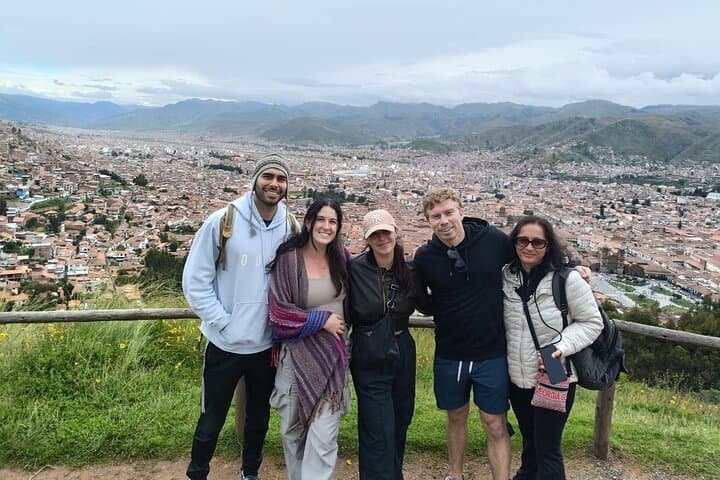
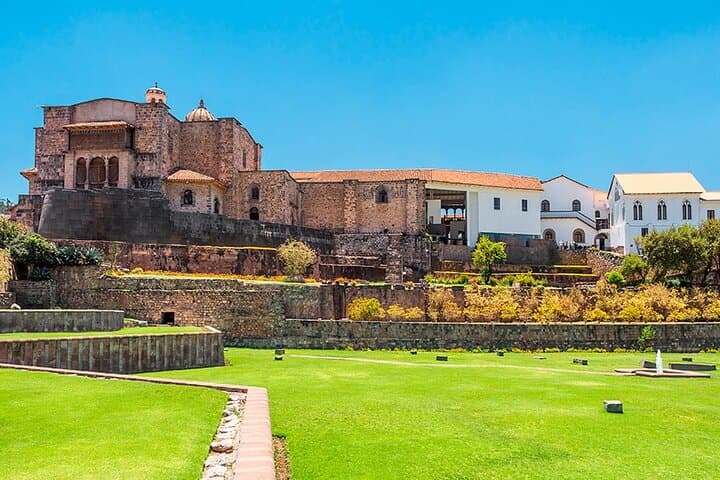
You step from the airport into thin, cool air and the stone streets of Cusco ring under your boots—roofs steam, vendors call, and the Andes press close like an old companion. On day one a guide leads you from Qoricancha’s sun-worn stones through the sweeping walls of Sacsayhuamán, where the hills seem to lean in and watch. The mountains don’t stand aloof; creeks and terraces push and shape the route, daring you to read the landscape.
Verified experiences and guided adventures in the surrounding area.
Operated by Amaru Explorer Peru · Cusco, Cusco
You step from the airport into thin, cool air and the stone streets of Cusco ring under your boots—roofs steam, vendors call, and the Andes press close like an old companion. On day one a guide leads you from Qoricancha’s sun-worn stones through the sweeping walls of Sacsayhuamán, where the hills seem to lean in and watch. The mountains don’t stand aloof; creeks and terraces push and shape the route, daring you to read the landscape.
This itinerary threads Inca engineering and colonial history: Qoricancha once aligned with solstices, Moray’s concentric terraces test modern curiosity, and Maras’ salt pans recall pre-Hispanic commerce carved into a steep valley. Geologically, you travel the eastern flank of the Peruvian Andes—igneous bedrock, steep river-cut valleys and high-altitude microclimates that drive rapid weather swings.
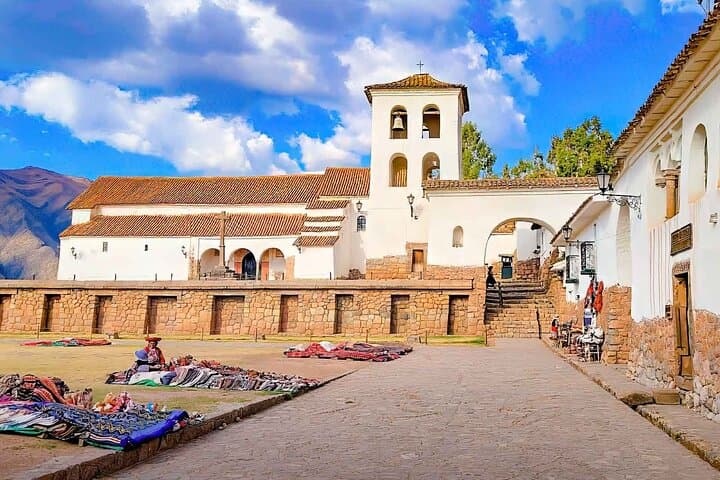
Expect a steady cultural rhythm: Quechua textiles on market stalls, llamas and alpacas grazing terraces, and small-town plazas where local life continues uninterrupted. Practicalities shape the days—Cusco sits at roughly 3,400 m, Machu Picchu at 2,430 m—so acclimatization is built into the schedule. The program includes transfers, train tickets, a 2–2.5 hour guided visit of Machu Picchu, and hotel nights in 3-star accommodations.
Prepare for stairs, short walks at altitude, and wet afternoons in the rainy season; layers, good footwear and hydration are essential. Time your Machu Picchu visit for early light to avoid mid-day crowds, and keep copies of your ticket and passport handy—entry relies on Ministry of Culture ticket availability. Follow trails, respect archaeological zones and leave no trace so these stones keep their story for the next traveler.
moderate.
4 days.
Good general fitness for walking stairs and short hikes at altitude; able to manage 2–4 hours of walking in a day.
Yes—Cusco sits around 3,400 m; you should rest on arrival, hydrate, avoid heavy exertion on day one and consult a doctor about medication if you’re prone to altitude sickness.
The tour includes entrance according to availability (circuits 1 or 2); tickets are controlled by Peru’s Ministry of Culture and may require upgrades or refunds if unavailable.
The itinerary includes a guided visit of approximately 2 to 2.5 hours followed by free time in Aguas Calientes before the train back.
Travel insurance that covers medical evacuation and trip interruption is recommended; routine vaccinations apply—check health advisories for Peru before travel.
These routes cross heartland sites of the Inca Empire where terraces, salt pans and ritual centers were adapted to steep Andean topography during the 15th century.
Machu Picchu and nearby sites are ecologically and archaeologically sensitive—follow marked trails, avoid touching structures and minimize plastic waste to help preserve the landscape.
Amaru Explorer Peru operates guided outdoor trips and adventures with an emphasis on safety, stewardship, and memorable experiences.
You step from the airport into thin, cool air and the stone streets of Cusco ring under your boots—roofs steam, vendors call, and the Andes press close like an old companion. On day one a guide leads you from Qoricancha’s sun-worn stones through the sweeping walls of Sacsayhuamán, where the hills seem to lean in and watch. The mountains don’t stand aloof; creeks and terraces push and shape the route, daring you to read the landscape.
You step from the airport into thin, cool air and the stone streets of Cusco ring under your boots—roofs steam, vendors call, and the Andes press close like an old companion. On day one a guide leads you from Qoricancha’s sun-worn stones through the sweeping walls of Sacsayhuamán, where the hills seem to lean in and watch. The mountains don’t stand aloof; creeks and terraces push and shape the route, daring you to read the landscape.
This itinerary threads Inca engineering and colonial history: Qoricancha once aligned with solstices, Moray’s concentric terraces test modern curiosity, and Maras’ salt pans recall pre-Hispanic commerce carved into a steep valley. Geologically, you travel the eastern flank of the Peruvian Andes—igneous bedrock, steep river-cut valleys and high-altitude microclimates that drive rapid weather swings.
Expect a steady cultural rhythm: Quechua textiles on market stalls, llamas and alpacas grazing terraces, and small-town plazas where local life continues uninterrupted. Practicalities shape the days—Cusco sits at roughly 3,400 m, Machu Picchu at 2,430 m—so acclimatization is built into the schedule. The program includes transfers, train tickets, a 2–2.5 hour guided visit of Machu Picchu, and hotel nights in 3-star accommodations.
Prepare for stairs, short walks at altitude, and wet afternoons in the rainy season; layers, good footwear and hydration are essential. Time your Machu Picchu visit for early light to avoid mid-day crowds, and keep copies of your ticket and passport handy—entry relies on Ministry of Culture ticket availability. Follow trails, respect archaeological zones and leave no trace so these stones keep their story for the next traveler.