THE ADVENTURE COLLECTIVE® · Independent discovery and booking for outdoor travel

A focused, 3-day exploration from Cusco’s city ruins through the Sacred Valley to Machu Picchu. Expect high‑altitude walking, guided archaeology tours and train travel—book early, layer up and hydrate to enjoy the highlights without rushing.
A focused, 3-day exploration from Cusco’s city ruins through the Sacred Valley to Machu Picchu. Expect high‑altitude walking, guided archaeology tours and train travel—book early, layer up and hydrate to enjoy the highlights without rushing.
You step down from the bus into thin air—Cusco’s Plaza de Armas framed by stone balconies, church bells cutting clean across highland sky. The first day is gentle: short walks through Coricancha’s stone corridors and the massive terraces of Sacsayhuamán that seem to hold the city in place.
Verified experiences and guided adventures in the surrounding area.
Operated by Chullos Travel Peru · Cusco, Cusco
You step down from the bus into thin air—Cusco’s Plaza de Armas framed by stone balconies, church bells cutting clean across highland sky. The first day is gentle: short walks through Coricancha’s stone corridors and the massive terraces of Sacsayhuamán that seem to hold the city in place.
By day two the landscape tilts: the Sacred Valley widens into patchwork fields, terraced hillsides and rivers that push the valley’s life forward. Pisac’s ruins cling to steep slopes; Ollantaytambo’s living Inca town still channels ancient irrigation and stone-cutting techniques. Geology here is sharp and folded—andesitic ridges and river-carved gorges that shaped Inca road-building.
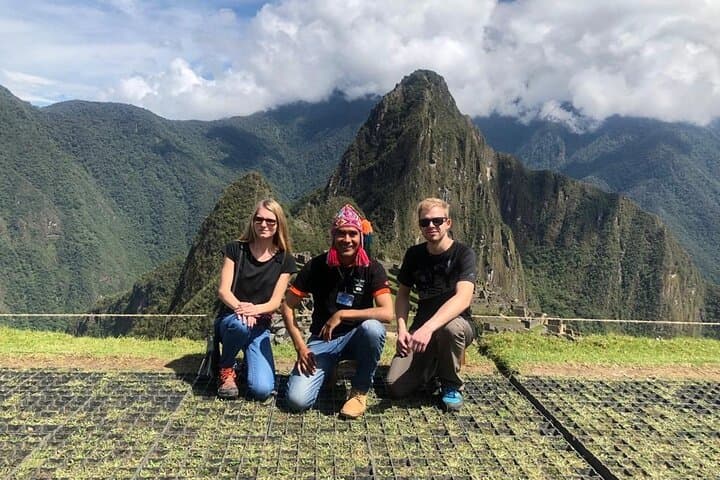
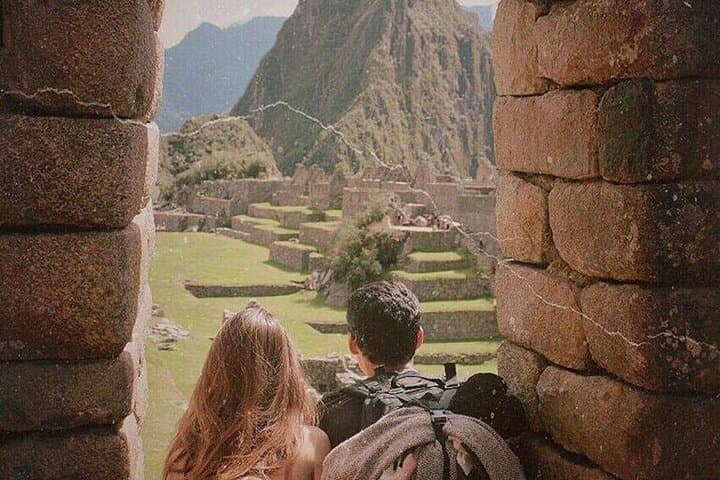
On day three the train slides through clouded kloofs to Aguas Calientes and a short bus climb brings you to Machu Picchu. The citadel’s stone ramps and niches reveal a society organized around farming, ritual and the sun; the Ministry of Culture controls visitor circuits for preservation, so access is governed and often limited.
Practical edge: expect altitude (Cusco ~3,400 m), uneven stone steps and brief steep climbs; most visits involve 2–4 hours of guided walking per day. Hydrate, sleep the first night, and wear grippy shoes and layered clothing—temperatures swing wildly. Ticket availability to Machu Picchu can change; book through authorized sellers and carry ID for entry. Trains and buses are part of the logistics—plan for transfer windows and allow extra time for slow mountain roads.
This itinerary balances cultural depth and manageable trekking: it’s a short, concentrated introduction to Inca engineering, Andean life and one of the world’s most atmospheric archaeological sites.
moderate.
3–4 days.
Moderate fitness—able to walk 2–4 hours a day on uneven stone and climb stairs; must handle high altitude.
Yes—your passport must match the name on the ticket; officials check IDs at the entrance.
The itinerary involves many stairs and uneven surfaces; it’s not recommended for travelers with significant mobility limitations or recent spinal injuries.
Tickets are managed by Peru’s Ministry of Culture; if no entry tickets are available for your date you should receive a full refund per the operator’s policy.
Yes—train segments between Ollantaytambo and Aguas Calientes and round‑trip buses to Machu Picchu are included according to the itinerary and ticket confirmation.
Cusco was the administrative heart of the Inca Empire; many sites visited—Coricancha, Sacsayhuamán, Ollantaytambo—showcase Inca stonework and agricultural adaptation to steep Andes slopes.
Visitor numbers at Machu Picchu are strictly regulated to protect fragile terraces and trails—stay on designated circuits, avoid littering and support local guides and community-run enterprises.
Chullos Travel Peru operates guided outdoor trips and adventures with an emphasis on safety, stewardship, and memorable experiences.
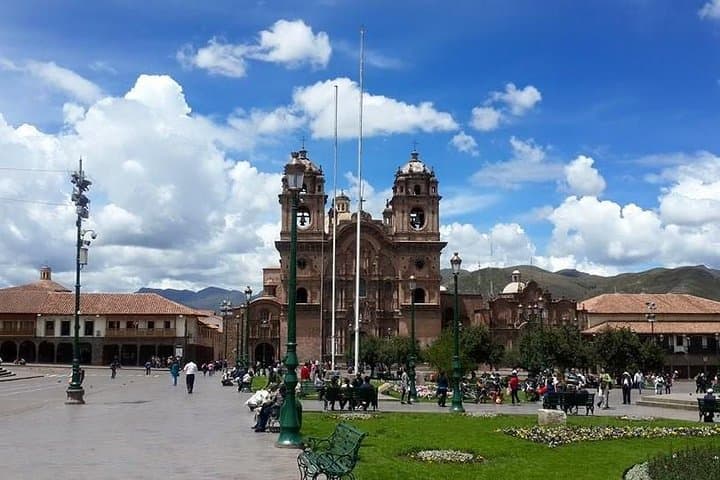
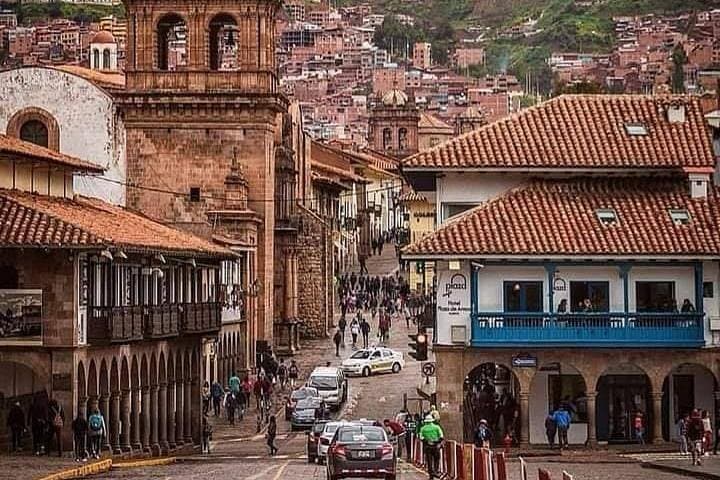
You step down from the bus into thin air—Cusco’s Plaza de Armas framed by stone balconies, church bells cutting clean across highland sky. The first day is gentle: short walks through Coricancha’s stone corridors and the massive terraces of Sacsayhuamán that seem to hold the city in place.
You step down from the bus into thin air—Cusco’s Plaza de Armas framed by stone balconies, church bells cutting clean across highland sky. The first day is gentle: short walks through Coricancha’s stone corridors and the massive terraces of Sacsayhuamán that seem to hold the city in place.
By day two the landscape tilts: the Sacred Valley widens into patchwork fields, terraced hillsides and rivers that push the valley’s life forward. Pisac’s ruins cling to steep slopes; Ollantaytambo’s living Inca town still channels ancient irrigation and stone-cutting techniques. Geology here is sharp and folded—andesitic ridges and river-carved gorges that shaped Inca road-building.
On day three the train slides through clouded kloofs to Aguas Calientes and a short bus climb brings you to Machu Picchu. The citadel’s stone ramps and niches reveal a society organized around farming, ritual and the sun; the Ministry of Culture controls visitor circuits for preservation, so access is governed and often limited.
Practical edge: expect altitude (Cusco ~3,400 m), uneven stone steps and brief steep climbs; most visits involve 2–4 hours of guided walking per day. Hydrate, sleep the first night, and wear grippy shoes and layered clothing—temperatures swing wildly. Ticket availability to Machu Picchu can change; book through authorized sellers and carry ID for entry. Trains and buses are part of the logistics—plan for transfer windows and allow extra time for slow mountain roads.
This itinerary balances cultural depth and manageable trekking: it’s a short, concentrated introduction to Inca engineering, Andean life and one of the world’s most atmospheric archaeological sites.