THE ADVENTURE COLLECTIVE® · Independent discovery and booking for outdoor travel

Short, easy-paced half-day hike from Cusco that uses original Inca trails to reach small temples and rock carvings, accompanied by llamas and alpacas. Ideal for altitude acclimatization and a gentle cultural introduction to Andean life.
Short, easy-paced half-day hike from Cusco that uses original Inca trails to reach small temples and rock carvings, accompanied by llamas and alpacas. Ideal for altitude acclimatization and a gentle cultural introduction to Andean life.
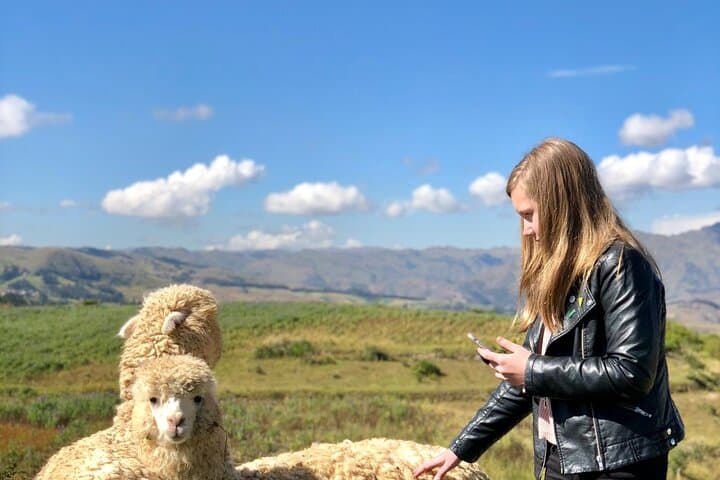
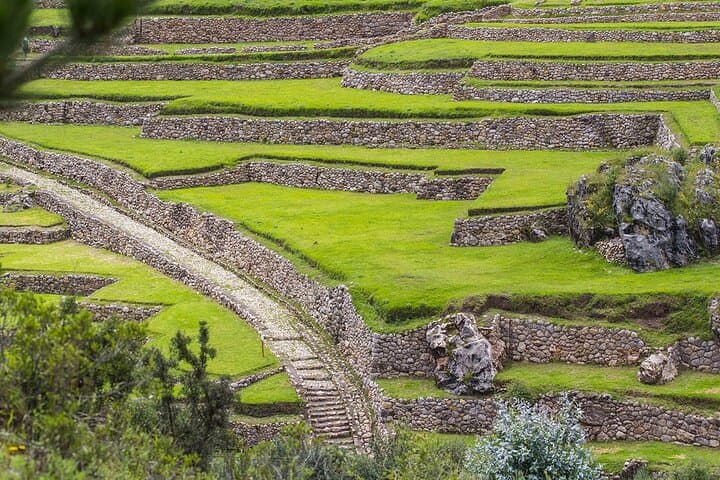
A cold Andean morning opens as you step from a minivan into thin, brisk air and the calm chewing of llamas. The trail unravels in gentle switchbacks above terraced pastures; clouds drift low and the wind seems to test your breathing as you find a steady rhythm.
Verified experiences and guided adventures in the surrounding area.
Operated by Rainbow Mountain Cusco Agency · Cusco, Cusco
A cold Andean morning opens as you step from a minivan into thin, brisk air and the calm chewing of llamas. The trail unravels in gentle switchbacks above terraced pastures; clouds drift low and the wind seems to test your breathing as you find a steady rhythm.
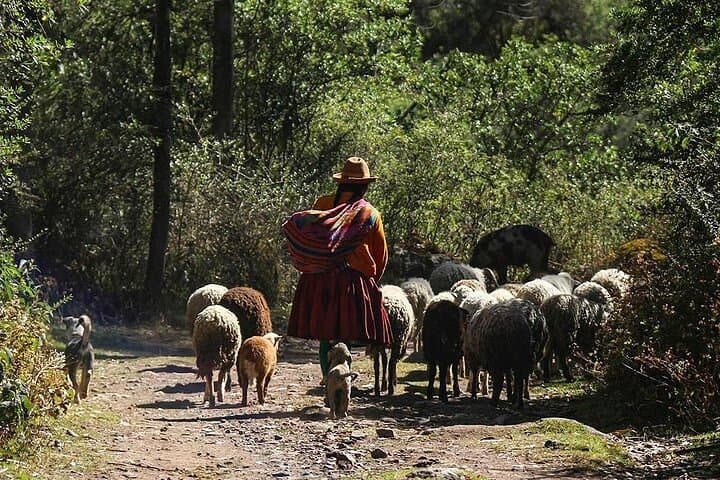
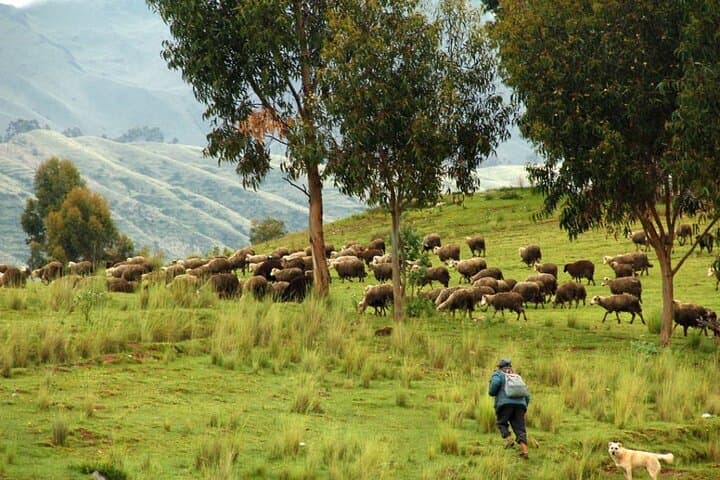
These paths follow sections of the Inca road network—stones laid and smoothed centuries ago—leading to small temples and rock carvings used for lunar and earth rituals during the Imperial Inca period (1438–1532 AD). Geologically the route runs across folded metamorphic rock and compacted volcanic soils that support puna grass and hardy shrubs; ancient builders selected these ridgelines for visibility and drainage. Local farmers still herd llamas, alpacas and sheep along the same tracks, so expect to meet residents using traditional tools and dress.
Practically: this is a four-hour, easy-paced acclimatization hike that covers ancient Inca trails with short ups and downs rather than steep climbs. Altitude is the primary factor—plan to move slowly, breathe deliberately, and prioritize hydration. Guides provide snacks, hotel pickup, and interpretive stops at Inkilltambo, Rumiwasi ruins, and a small temple carved with lunar and Pachamama motifs and animal figures including monkeys and a heart-shaped lithic carving.
Bring layers for wind and sun, sturdy shoes for uneven stone, and a small daypack. Interact respectfully with animals—do not feed them—and allow for photo stops. The hike is as much about listening to the landscape as it is about the ruins: the trail invites you forward, while the llamas remind you how people and place remain intertwined.
easy.
3–4 hours.
Suitable for most fitness levels; ability to walk on uneven stone for several hours and tolerate high altitude is required.
The route is rated easy with gentle ascents; beginners should move at a slow pace and take breaks to manage altitude.
Yes—animals accompany the hike and are used locally; guides manage interactions but do not allow feeding or petting in ways that stress the animals.
Families and older visitors can participate if they can walk uneven trails for several hours and avoid strenuous exertion; notify the operator of special needs.
The operator may cancel or reschedule in heavy rain or unsafe conditions; lightweight rain gear is recommended during the wet season.
The trails and rock carvings date to the Imperial Inca period (1438–1532 AD) and were used for ritual and transit; many roads remain active in local pastoral life.
Stay on marked paths to protect fragile archaeological stone and high‑altitude vegetation; avoid feeding livestock and pack out all waste.
Rainbow Mountain Cusco Agency operates guided outdoor trips and adventures with an emphasis on safety, stewardship, and memorable experiences.
A cold Andean morning opens as you step from a minivan into thin, brisk air and the calm chewing of llamas. The trail unravels in gentle switchbacks above terraced pastures; clouds drift low and the wind seems to test your breathing as you find a steady rhythm.
A cold Andean morning opens as you step from a minivan into thin, brisk air and the calm chewing of llamas. The trail unravels in gentle switchbacks above terraced pastures; clouds drift low and the wind seems to test your breathing as you find a steady rhythm.
These paths follow sections of the Inca road network—stones laid and smoothed centuries ago—leading to small temples and rock carvings used for lunar and earth rituals during the Imperial Inca period (1438–1532 AD). Geologically the route runs across folded metamorphic rock and compacted volcanic soils that support puna grass and hardy shrubs; ancient builders selected these ridgelines for visibility and drainage. Local farmers still herd llamas, alpacas and sheep along the same tracks, so expect to meet residents using traditional tools and dress.
Practically: this is a four-hour, easy-paced acclimatization hike that covers ancient Inca trails with short ups and downs rather than steep climbs. Altitude is the primary factor—plan to move slowly, breathe deliberately, and prioritize hydration. Guides provide snacks, hotel pickup, and interpretive stops at Inkilltambo, Rumiwasi ruins, and a small temple carved with lunar and Pachamama motifs and animal figures including monkeys and a heart-shaped lithic carving.
Bring layers for wind and sun, sturdy shoes for uneven stone, and a small daypack. Interact respectfully with animals—do not feed them—and allow for photo stops. The hike is as much about listening to the landscape as it is about the ruins: the trail invites you forward, while the llamas remind you how people and place remain intertwined.