THE ADVENTURE COLLECTIVE® · Independent discovery and booking for outdoor travel

A classic four-day trek on the original Inca route, this journey combines steep high passes, cloud-forest ruins and a sunrise arrival at Machu Picchu. Learn what to expect on trail, how to prepare for altitude and which practical tips make the difference.
A classic four-day trek on the original Inca route, this journey combines steep high passes, cloud-forest ruins and a sunrise arrival at Machu Picchu. Learn what to expect on trail, how to prepare for altitude and which practical tips make the difference.
Pre-dawn mist clings to the Andean slopes as a column of hikers moves steadily from Piscacucho (Km 82) toward the first ruins. The trail climbs through terraced fields, cloud forest and high puna; each step alternates between carved stone stairways and narrow earthen switchbacks, and the air thins as the landscape opens to glacial ridgelines.
Verified experiences and guided adventures in the surrounding area.
Operated by Machu Picchu Expeditions · Aguas Calientes, Cusco
Pre-dawn mist clings to the Andean slopes as a column of hikers moves steadily from Piscacucho (Km 82) toward the first ruins. The trail climbs through terraced fields, cloud forest and high puna; each step alternates between carved stone stairways and narrow earthen switchbacks, and the air thins as the landscape opens to glacial ridgelines.
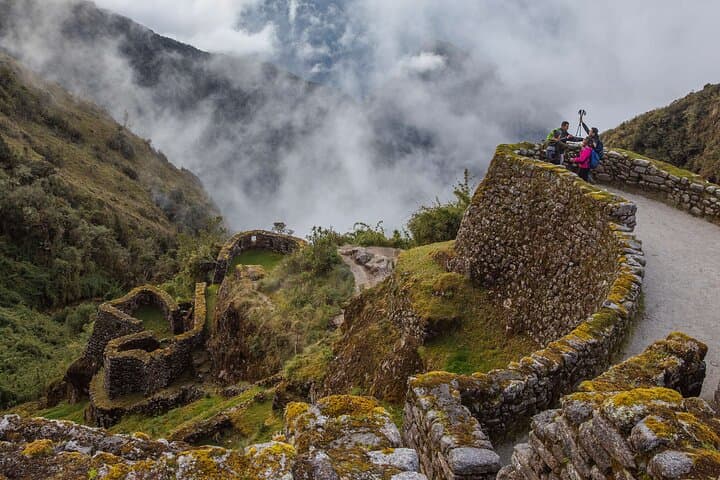
This four-day trek threads living Inca trails and lost settlements built into steep slopes—Llactapata, Runkurakay and Sayacmarca—before the final approach through Wiñay Wayna to Inti Punku, the Sun Gate. Geologically the route follows uplifted Andean strata and volcanic ridges that cradle microclimates: alpine grasslands above 4,000 m and humid cloud forest below 3,500 m. Culturally, the path still serves local communities and seasonal agriculture; its construction demonstrates Inca mastery of drainage, stonework and landscape planning.
Expect variable weather, long ascents (Dead Woman’s Pass at 4,215 m) and multi-hour days with camping on prepared sites. Guides manage permits—mandatory and limited—and an experienced team of cooks and porters handles logistics. Practical planning means packing layers for freezing nights and wet, warm afternoons; bring a passport for checkpoints and allow time to acclimatize in Cusco.
On the final morning the Sun Gate frames Machu Picchu’s terraces and fountains: the reward is both archaeological and physical. Hydrate, use trekking poles on descents, and respect campsite rules—this corridor is protected, and controlled access keeps the trail viable for future trekkers.
challenging.
4 days (approx. 12–16 hours hiking total).
Good cardiovascular fitness and experience with sustained uphill hiking at altitude; prior acclimatization recommended
Yes—permits are required, limited and linked to your passport; book months in advance during the dry season.
The trail reaches 4,215 m at Dead Woman’s Pass; many hikers feel shortness of breath and mild symptoms—acclimatize in Cusco and stay hydrated.
This itinerary includes camping with equipment, full board meals prepared by porters, and hot breakfasts—confirm specifics with the operator before departure.
Access to Huayna Picchu and Machu Picchu Mountain requires separate tickets and advanced booking; check availability and reserve before the trek finishes.
The Inca Trail formed part of a vast imperial road network connecting settlements and sanctuaries; many stone paths and terraces date to pre-Columbian engineering.
Permits limit daily hikers and camping is confined to designated sites; follow leave-no-trace rules—pack out waste and respect archaeological zones.
Machu Picchu Expeditions operates guided outdoor trips and adventures with an emphasis on safety, stewardship, and memorable experiences.
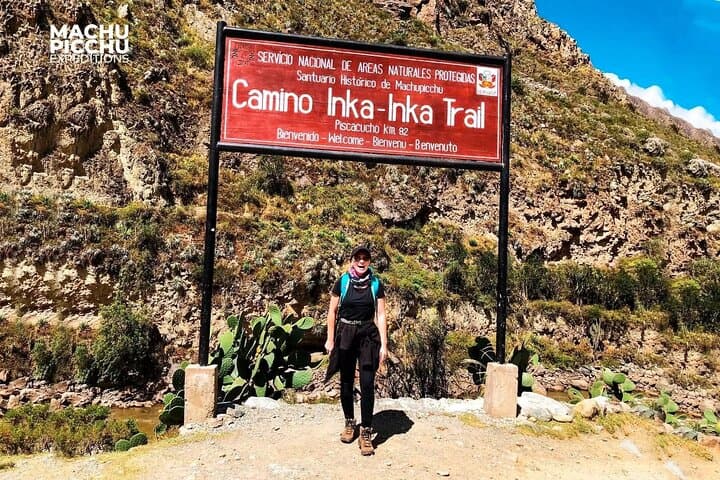
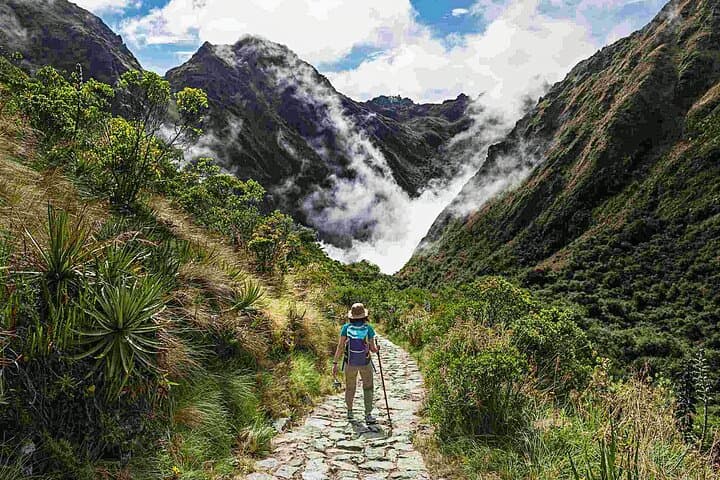
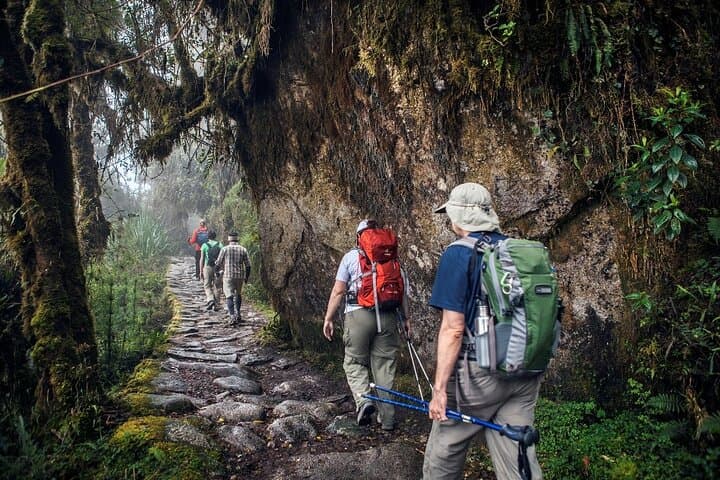
Pre-dawn mist clings to the Andean slopes as a column of hikers moves steadily from Piscacucho (Km 82) toward the first ruins. The trail climbs through terraced fields, cloud forest and high puna; each step alternates between carved stone stairways and narrow earthen switchbacks, and the air thins as the landscape opens to glacial ridgelines.
Pre-dawn mist clings to the Andean slopes as a column of hikers moves steadily from Piscacucho (Km 82) toward the first ruins. The trail climbs through terraced fields, cloud forest and high puna; each step alternates between carved stone stairways and narrow earthen switchbacks, and the air thins as the landscape opens to glacial ridgelines.
This four-day trek threads living Inca trails and lost settlements built into steep slopes—Llactapata, Runkurakay and Sayacmarca—before the final approach through Wiñay Wayna to Inti Punku, the Sun Gate. Geologically the route follows uplifted Andean strata and volcanic ridges that cradle microclimates: alpine grasslands above 4,000 m and humid cloud forest below 3,500 m. Culturally, the path still serves local communities and seasonal agriculture; its construction demonstrates Inca mastery of drainage, stonework and landscape planning.
Expect variable weather, long ascents (Dead Woman’s Pass at 4,215 m) and multi-hour days with camping on prepared sites. Guides manage permits—mandatory and limited—and an experienced team of cooks and porters handles logistics. Practical planning means packing layers for freezing nights and wet, warm afternoons; bring a passport for checkpoints and allow time to acclimatize in Cusco.
On the final morning the Sun Gate frames Machu Picchu’s terraces and fountains: the reward is both archaeological and physical. Hydrate, use trekking poles on descents, and respect campsite rules—this corridor is protected, and controlled access keeps the trail viable for future trekkers.