THE ADVENTURE COLLECTIVE® · Independent discovery and booking for outdoor travel

A compact, high-altitude adventure that mixes a 60 km downhill bike, whitewater rafting, zipline runs and multi‑hour hikes along original Inca routes, culminating in a guided visit to Machu Picchu. Expect big elevation changes, varied terrain and a strong dose of adrenaline.
A compact, high-altitude adventure that mixes a 60 km downhill bike, whitewater rafting, zipline runs and multi‑hour hikes along original Inca routes, culminating in a guided visit to Machu Picchu. Expect big elevation changes, varied terrain and a strong dose of adrenaline.
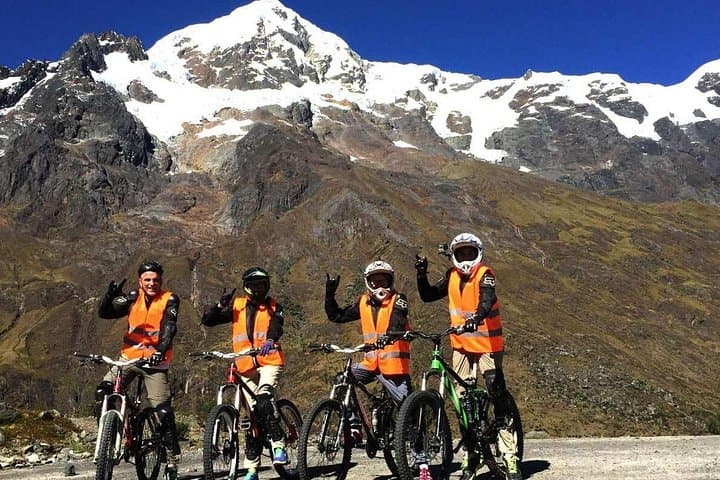
A cold dawn in the Andes, engines hum and headlights carve a path through the Sacred Valley as participants are driven toward Abra Málaga. The air is thin at 4,630 m and the trail ahead drops steeply—bikes poised on the ridge, rivers below daring you to descend.
Verified experiences and guided adventures in the surrounding area.
Operated by IZI PERU · Cusco, Cusco
A cold dawn in the Andes, engines hum and headlights carve a path through the Sacred Valley as participants are driven toward Abra Málaga. The air is thin at 4,630 m and the trail ahead drops steeply—bikes poised on the ridge, rivers below daring you to descend.
Over four days the Inca Jungle Trek stitches high puna, cloud forest and river canyon into a single route. Riders descend roughly 60 km from Abra Málaga to Santa María, then follow old Inca routes and mule tracks that once connected Vilcabamba and Machu Picchu. Geology here is young Andean uplift and deeply incised river valleys; rainfall feeds the Vilcanota/Urubamba system that carved the gorge. Culturally the trek runs through modern Quechua communities, coffee and coca plantations, and small hot-spring hamlets that speak to a living Andean rural life.
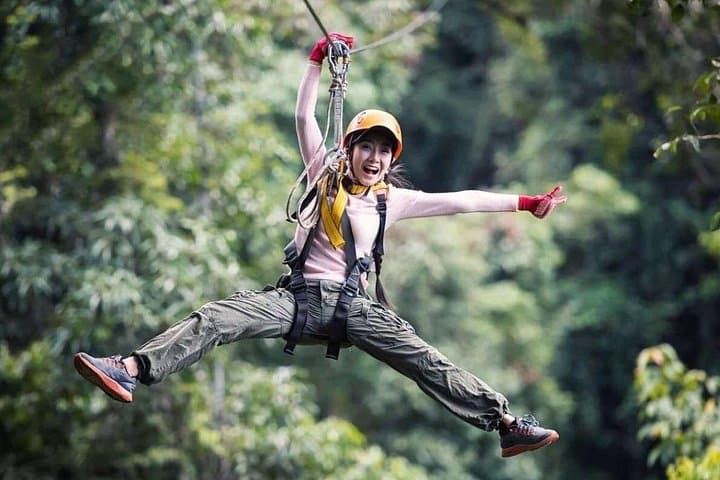
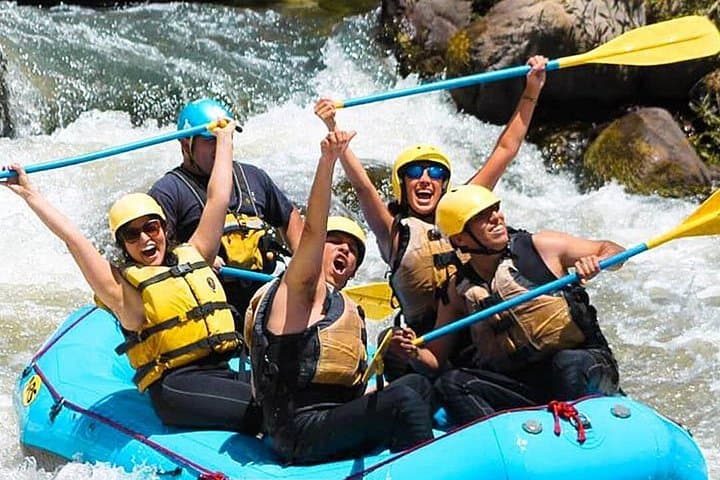
Practically, expect a mix of fast downhill mountain biking, a class II–III rafting segment, multiple day hikes along old stone trail and zip-line runs near Santa María. Elevation swings are significant—prepare for altitude on day one and plan for recovery in Santa Teresa or Aguas Calientes. Guides provide helmets, lifejackets and briefing; Machu Picchu entrance is included but circuit assignments vary.
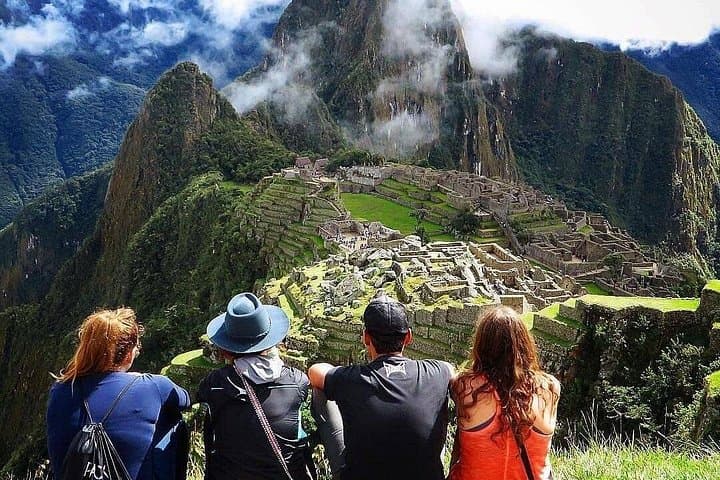
Bring layered clothing for wet, warm and cool conditions, a solid pair of trekking boots for hikes and gloves for biking. Hydrate early each day, eat salubrious meals, and allow an extra night in Aguas Calientes if Machu Picchu tickets or transport timing requires it. This is an adrenaline-focused route that still honors the archaeology and landscapes that make the final arrival at Machu Picchu earned and unforgettable.
challenging.
4 days.
Good cardiovascular fitness and familiarity with sustained uphill/downhill exertion; comfortable with long days and altitude.
No advanced experience is required, but confidence on steep, loose descents is helpful; guides provide training and helmets are supplied.
Yes, entrance is included but circuit assignments depend on availability; book early to secure preferred circuit or Huayna/Machu Picchu mountain access.
Guides carry first aid and an oxygen bottle for emergencies; rest, hydration and descent are primary treatments—notify staff immediately if symptoms appear.
Yes—on the final day travelers can choose a train from Aguas Calientes to Ollantaytambo (additional fee) or a minivan/car return via Hidroeléctrica.
The route follows trails used by the Incas to link highland capitals such as Vilcabamba with lower jungle settlements; Machu Picchu itself reflects 15th-century Inca architecture and engineering.
Stay on established trails to reduce erosion risk; local operators often limit group sizes and follow biosafety and waste protocols to protect fragile cloud-forest ecosystems.
IZI PERU operates guided outdoor trips and adventures with an emphasis on safety, stewardship, and memorable experiences.
A cold dawn in the Andes, engines hum and headlights carve a path through the Sacred Valley as participants are driven toward Abra Málaga. The air is thin at 4,630 m and the trail ahead drops steeply—bikes poised on the ridge, rivers below daring you to descend.
A cold dawn in the Andes, engines hum and headlights carve a path through the Sacred Valley as participants are driven toward Abra Málaga. The air is thin at 4,630 m and the trail ahead drops steeply—bikes poised on the ridge, rivers below daring you to descend.
Over four days the Inca Jungle Trek stitches high puna, cloud forest and river canyon into a single route. Riders descend roughly 60 km from Abra Málaga to Santa María, then follow old Inca routes and mule tracks that once connected Vilcabamba and Machu Picchu. Geology here is young Andean uplift and deeply incised river valleys; rainfall feeds the Vilcanota/Urubamba system that carved the gorge. Culturally the trek runs through modern Quechua communities, coffee and coca plantations, and small hot-spring hamlets that speak to a living Andean rural life.
Practically, expect a mix of fast downhill mountain biking, a class II–III rafting segment, multiple day hikes along old stone trail and zip-line runs near Santa María. Elevation swings are significant—prepare for altitude on day one and plan for recovery in Santa Teresa or Aguas Calientes. Guides provide helmets, lifejackets and briefing; Machu Picchu entrance is included but circuit assignments vary.
Bring layered clothing for wet, warm and cool conditions, a solid pair of trekking boots for hikes and gloves for biking. Hydrate early each day, eat salubrious meals, and allow an extra night in Aguas Calientes if Machu Picchu tickets or transport timing requires it. This is an adrenaline-focused route that still honors the archaeology and landscapes that make the final arrival at Machu Picchu earned and unforgettable.