THE ADVENTURE COLLECTIVE® · Independent discovery and booking for outdoor travel

A pre-dawn transfer from Cusco delivers you to the high puna and a 2–3 hour climb to Vinicunca’s striped summit. Expect thin air, loose trail sections, Quechua culture, and vivid mineral bands that make for unforgettable views.
A pre-dawn transfer from Cusco delivers you to the high puna and a 2–3 hour climb to Vinicunca’s striped summit. Expect thin air, loose trail sections, Quechua culture, and vivid mineral bands that make for unforgettable views.
You leave Cusco before dawn, the van threading through highland villages as the Andes lightens from ink to pewter. By the time you step out at 4,400m the air is thin and crisp; wind shapes the grasses and llamas regard you like old neighbors. The trail climbs steadily—rocky switchbacks and loose scree—until the banded colors of Vinicunca unfold like a geological palette across the ridge.
Verified experiences and guided adventures in the surrounding area.
Operated by True Mountain Traveller · Cusco, Cusco
You leave Cusco before dawn, the van threading through highland villages as the Andes lightens from ink to pewter. By the time you step out at 4,400m the air is thin and crisp; wind shapes the grasses and llamas regard you like old neighbors. The trail climbs steadily—rocky switchbacks and loose scree—until the banded colors of Vinicunca unfold like a geological palette across the ridge.
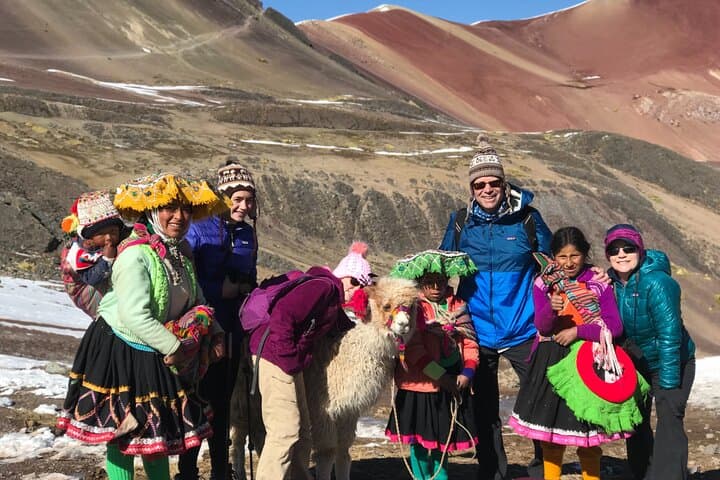
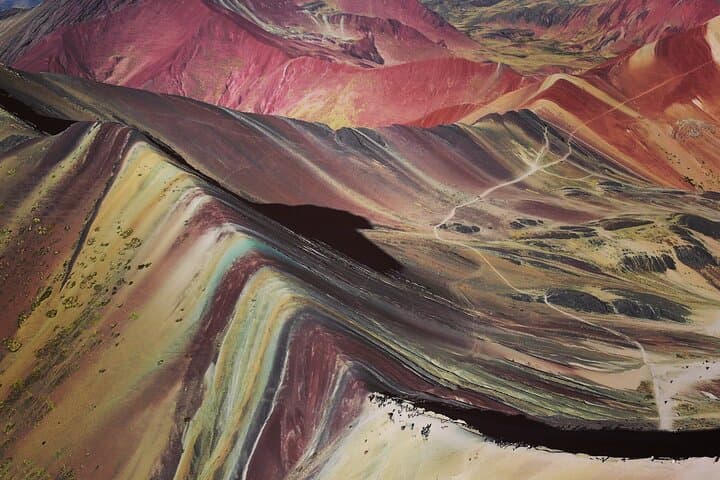
The striping owes itself to mineral layers: iron gives red, copper yields green, and manganese and other oxides add yellows and purples. This slope sits on the eastern flank of the Ausangate massif, a zone long inhabited by Quechua communities who honor the apu (mountain spirits) and practice high-altitude agriculture. Expect woven textiles, grazing alpacas, and short exchanges in Quechua along the way.
Practically, the tour is a full day: roughly three hours round-trip driving from Cusco and a 2–3 hour ascent (less if you opt for a horse), time at the viewpoint, then a steady descent and return by mid-afternoon. Trails are exposed at elevation with loose gravel; weather can swing from blazing sun to sleet within an hour.
Bring layered clothing, sun protection, plenty of water, and allow for altitude effects—slow your pace and listen to your body. Local guides provide context on geology and culture and steer you toward the best photo angles while helping minimize your impact on fragile puna vegetation. For many, the reward is not just the colors but the raw, highland silence that seems to press the sky closer to the ground.
moderate.
8–9 hours.
Moderate cardiovascular fitness with experience at high altitude recommended; ability to hike 2–3 hours uphill over uneven terrain.
The hike is moderate: ~2–3 hours ascent from the trailhead with loose gravel and some steep pitches; a horse option reduces effort on the uphill.
Yes—Vinicunca starts around 4,400m. Acclimatize in Cusco for 24–48 hours, ascend slowly, hydrate, and inform your guide if you feel unwell.
The dry season (May–September) offers clearer skies and firmer trails; the wet season (December–March) brings mud and possible trail closures.
Many tours include the Rainbow Mountain entrance fee and a boxed lunch; check your booking details and pack extra snacks as needed.
Vinicunca’s colorful stripes were exposed by glacial retreat and increased attention after local guides promoted the site within the last decade; the area sits within traditional Quechua lands tied to Ausangate reverence.
High visitor numbers accelerate trail erosion and disturb fragile puna plants; stick to trails, avoid littering, and consider bookings that support local communities.
True Mountain Traveller operates guided outdoor trips and adventures with an emphasis on safety, stewardship, and memorable experiences.
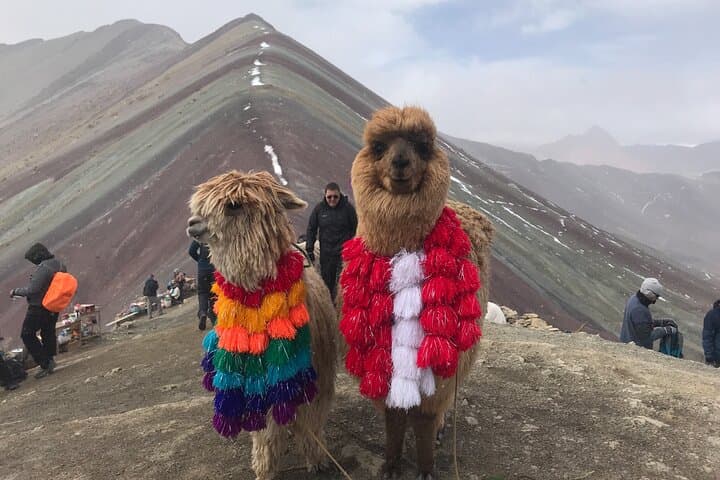
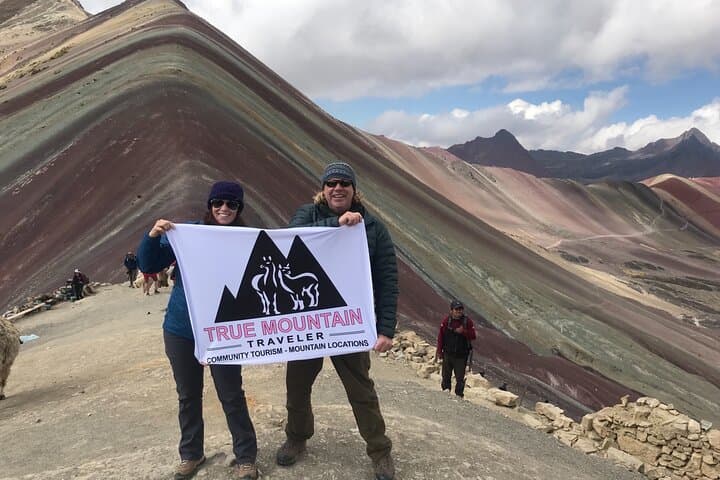
You leave Cusco before dawn, the van threading through highland villages as the Andes lightens from ink to pewter. By the time you step out at 4,400m the air is thin and crisp; wind shapes the grasses and llamas regard you like old neighbors. The trail climbs steadily—rocky switchbacks and loose scree—until the banded colors of Vinicunca unfold like a geological palette across the ridge.
You leave Cusco before dawn, the van threading through highland villages as the Andes lightens from ink to pewter. By the time you step out at 4,400m the air is thin and crisp; wind shapes the grasses and llamas regard you like old neighbors. The trail climbs steadily—rocky switchbacks and loose scree—until the banded colors of Vinicunca unfold like a geological palette across the ridge.
The striping owes itself to mineral layers: iron gives red, copper yields green, and manganese and other oxides add yellows and purples. This slope sits on the eastern flank of the Ausangate massif, a zone long inhabited by Quechua communities who honor the apu (mountain spirits) and practice high-altitude agriculture. Expect woven textiles, grazing alpacas, and short exchanges in Quechua along the way.
Practically, the tour is a full day: roughly three hours round-trip driving from Cusco and a 2–3 hour ascent (less if you opt for a horse), time at the viewpoint, then a steady descent and return by mid-afternoon. Trails are exposed at elevation with loose gravel; weather can swing from blazing sun to sleet within an hour.
Bring layered clothing, sun protection, plenty of water, and allow for altitude effects—slow your pace and listen to your body. Local guides provide context on geology and culture and steer you toward the best photo angles while helping minimize your impact on fragile puna vegetation. For many, the reward is not just the colors but the raw, highland silence that seems to press the sky closer to the ground.