THE ADVENTURE COLLECTIVE® · Independent discovery and booking for outdoor travel

Descend from Cusco’s high plains into the humid high-jungle for two days of coffee, tea and cocoa discovery. Participate in harvests, sample fresh-roasted beans and taste house-made chocolate while staying with local producers.
Descend from Cusco’s high plains into the humid high-jungle for two days of coffee, tea and cocoa discovery. Participate in harvests, sample fresh-roasted beans and taste house-made chocolate while staying with local producers.
You step into heat that pushes at the edge of the Andes — road slipping down from Cusco’s thin air into green folds where coffee cherries hang like small suns and cocoa pods crowd low branches.
Verified experiences and guided adventures in the surrounding area.
Operated by X Travel Peru · Cusco, Cusco Region
You step into heat that pushes at the edge of the Andes — road slipping down from Cusco’s thin air into green folds where coffee cherries hang like small suns and cocoa pods crowd low branches.
This two-day excursion traces that ecological seam: the high jungle (ceja de selva) where Andean slopes give way to Amazon foothills. Geologically the route follows steep river-cut valleys and alluvial terraces carved by tributaries of the Urubamba; culturally it’s an agricultural corridor where smallholder fincas blend traditional hand-planting with newer processing techniques.
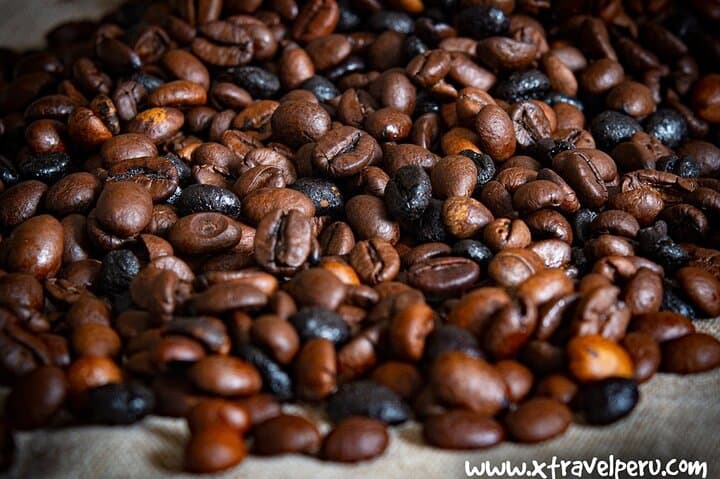
On day one you ride three hours from Cusco, tour family-run coffee plantations, take part in harvest and pulping, and learn roasting and cupping methods from local producers. Overnight at a simple hostel in the valley keeps the focus on the landscape — humid air, the hush of forest insects, and the aroma of beans drying on patios.
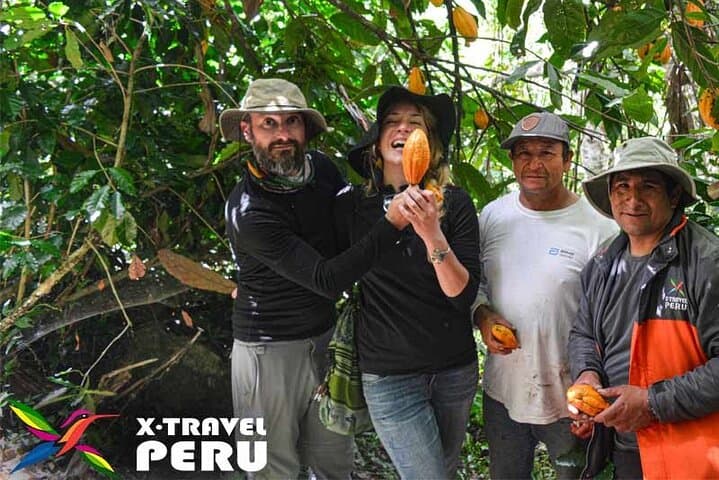
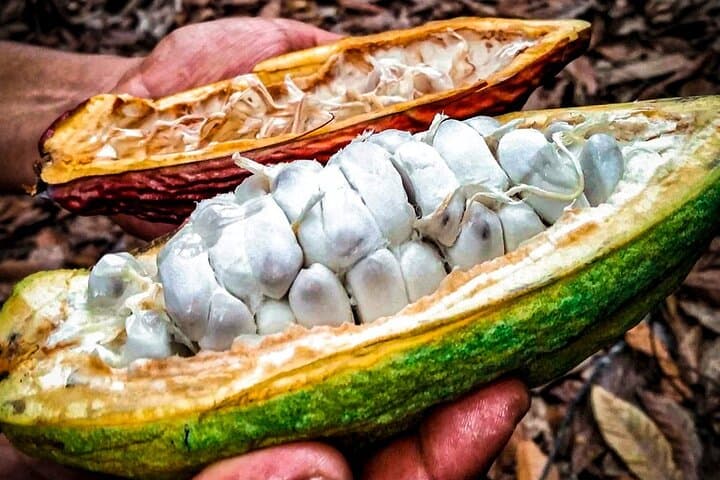
Day two moves deeper: cocoa haciendas, demonstrations of fermentation and chocolate preparation, and visits to both artisanal and modern processing sites before returning to Cusco in the evening.
Practical notes: altitude changes are significant — bring layers for the cool Cusco morning and lightweight clothes for the jungle. Expect bumpy roads, farm-level hygiene standards, and hands-on activity rather than passive sightseeing. Photographs of harvests and processing are common, but ask before entering private work areas. This trip balances sensory tasting with straightforward, rural labor — a good match for travelers curious about where their coffee and chocolate begin.
easy.
2 days (approx. 48 hours).
Light physical activity: short walks on uneven farm paths and informal harvesting duties; suitable for most fitness levels.
Yes — private transport picks you up from your Cusco hotel as stated in the itinerary.
Breakfasts, lunches and one dinner are included across the two days; snacks and extra drinks are usually at your expense.
The tour is family-friendly but infants must sit on an adult’s lap; consult a doctor for pregnancy and consider road conditions and farm work.
Bring small denominations of Peruvian soles for souvenirs and incidental purchases; card acceptance is limited in rural areas.
The high-jungle near Cusco sits at the ecological transition between Andes and Amazon; in the 20th century many communities adopted coffee and cocoa as cash crops alongside subsistence farming.
Agritourism supports local livelihoods, so prefer operators who pay fair wages and avoid single-use plastics; stick to trails and respect farm boundaries to reduce erosion and contamination.
X Travel Peru operates guided outdoor trips and adventures with an emphasis on safety, stewardship, and memorable experiences.
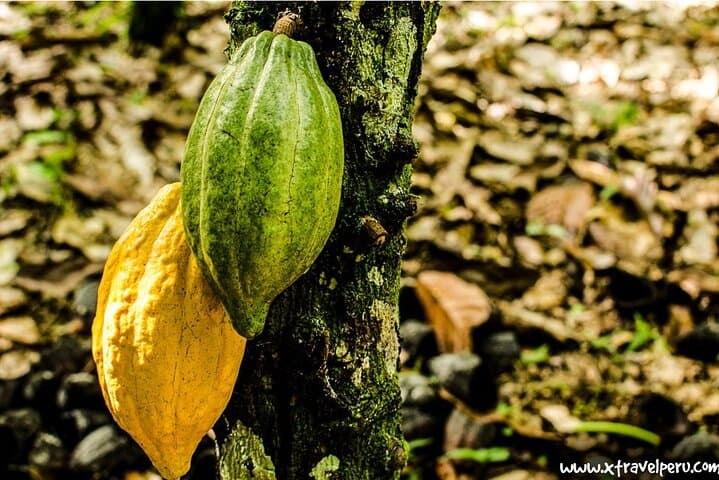
You step into heat that pushes at the edge of the Andes — road slipping down from Cusco’s thin air into green folds where coffee cherries hang like small suns and cocoa pods crowd low branches.
You step into heat that pushes at the edge of the Andes — road slipping down from Cusco’s thin air into green folds where coffee cherries hang like small suns and cocoa pods crowd low branches.
This two-day excursion traces that ecological seam: the high jungle (ceja de selva) where Andean slopes give way to Amazon foothills. Geologically the route follows steep river-cut valleys and alluvial terraces carved by tributaries of the Urubamba; culturally it’s an agricultural corridor where smallholder fincas blend traditional hand-planting with newer processing techniques.
On day one you ride three hours from Cusco, tour family-run coffee plantations, take part in harvest and pulping, and learn roasting and cupping methods from local producers. Overnight at a simple hostel in the valley keeps the focus on the landscape — humid air, the hush of forest insects, and the aroma of beans drying on patios.
Day two moves deeper: cocoa haciendas, demonstrations of fermentation and chocolate preparation, and visits to both artisanal and modern processing sites before returning to Cusco in the evening.
Practical notes: altitude changes are significant — bring layers for the cool Cusco morning and lightweight clothes for the jungle. Expect bumpy roads, farm-level hygiene standards, and hands-on activity rather than passive sightseeing. Photographs of harvests and processing are common, but ask before entering private work areas. This trip balances sensory tasting with straightforward, rural labor — a good match for travelers curious about where their coffee and chocolate begin.