THE ADVENTURE COLLECTIVE® · Independent discovery and booking for outdoor travel

Explore Cusco’s layered history in a focused half-day: from Qoricancha’s solar stones to the sweeping terraces of Sacsayhuamán. This city tour blends Inca engineering, Spanish colonial architecture, and easy uphill walks—perfect for visitors short on time.
Explore Cusco’s layered history in a focused half-day: from Qoricancha’s solar stones to the sweeping terraces of Sacsayhuamán. This city tour blends Inca engineering, Spanish colonial architecture, and easy uphill walks—perfect for visitors short on time.
You step out of the vehicle onto thin, high air and the stones of Cusco seem to hold a memory—smooth, fitted, resistant to weather and time. Morning light catches the gold-trimmed walls of Qoricancha and the Plaza de Armas hums with vendors and distant bells. The tour threads from compact city blocks up to the ramparts of Sacsayhuamán, where boulders the size of houses lean into one another like old neighbors.
Verified experiences and guided adventures in the surrounding area.
Operated by Amaru Explorer Peru · Cusco, Cusco Region
You step out of the vehicle onto thin, high air and the stones of Cusco seem to hold a memory—smooth, fitted, resistant to weather and time. Morning light catches the gold-trimmed walls of Qoricancha and the Plaza de Armas hums with vendors and distant bells. The tour threads from compact city blocks up to the ramparts of Sacsayhuamán, where boulders the size of houses lean into one another like old neighbors.
Cusco was the imperial capital of the Inca and later a crucible of Spanish colonial architecture; here Inca masonry underpins baroque churches, and water channels at Tambomachay reveal advanced hydraulic engineering rooted in Andean practice. Geologically the city sits on Paleozoic andesite and sedimentary terraces carved into the valley, offering abrupt elevation shifts that make every short walk a small climb.
Expect an itinerary that covers Qoricancha (Temple of the Sun), the vast terraces and walls of Sacsayhuamán, ceremonial Qenqo, the red-stoned Puka Pukara, and the cascading pools of Tambomachay. Guides explain Inca construction techniques, Spanish re-use of foundations, and how seasonal rains alter trail grip.
Practically: bring layers for cold mornings and sun by noon, allow 4–4.5 hours for the half-day loop, and budget time for short uphill sections and uneven stonework. Hydrate before you start—altitude is the real challenge here—and wear sturdy shoes with good traction. The route is approachable, culturally dense, and ideal for travelers who want a high-return overview of Cusco’s archaeological core.
moderate.
4–4.5 hours.
Moderate fitness; comfortable walking on uneven stone and short uphill sections at 3,300–3,700 m elevation.
The half-day tour runs about 4–4.5 hours and visits Qoricancha, Sacsayhuamán, Qenqo, Puka Pukara, Tambomachay, and Plaza de Armas.
Sites include uneven stone steps and short steep sections, so it’s not ideal for those with significant mobility limitations; a moderate fitness level is recommended.
Cusco sits around 3,400 m; many visitors feel mild symptoms—headache, breathlessness—so acclimatize, hydrate, and avoid heavy meals or alcohol before the tour.
Yes—professional bilingual guides and transportation in an air-conditioned vehicle are included in the tour package.
Cusco was the administrative and ceremonial heart of the Inca Empire; Spanish colonists later built churches atop Inca foundations, creating the layered urban fabric visitors see today.
Visitor impact is managed through controlled access at archaeological sites; stick to marked paths, avoid climbing on stone walls, and follow guide instructions to protect fragile masonry.
Amaru Explorer Peru operates guided outdoor trips and adventures with an emphasis on safety, stewardship, and memorable experiences.
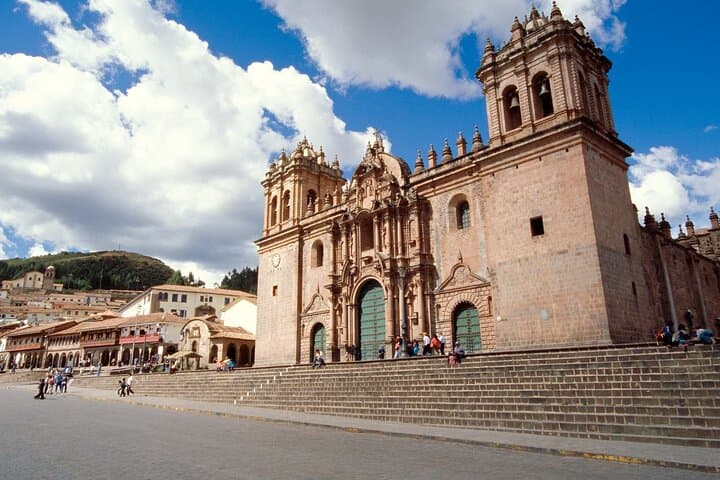
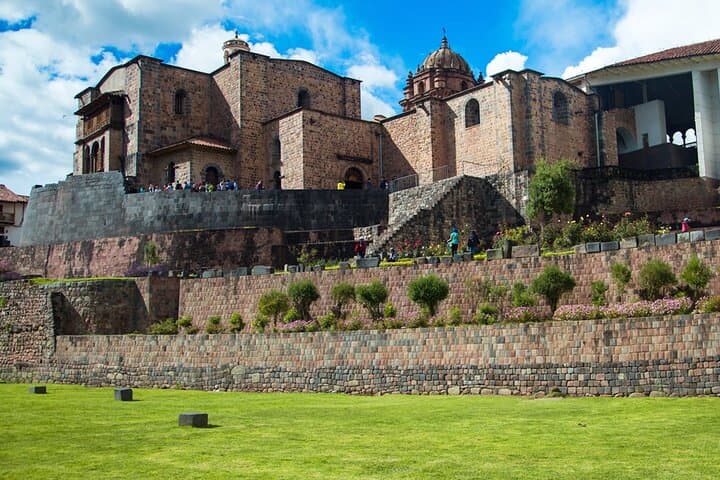
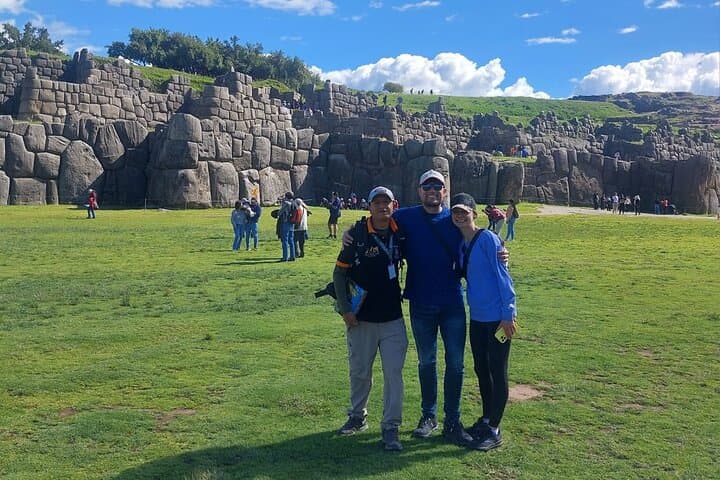
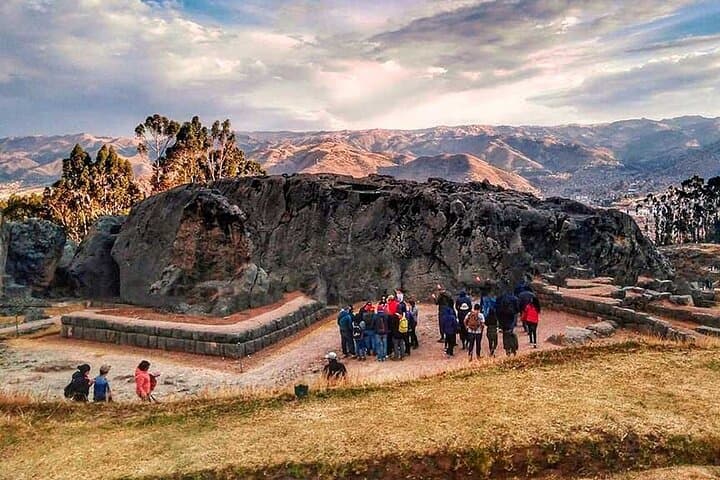
You step out of the vehicle onto thin, high air and the stones of Cusco seem to hold a memory—smooth, fitted, resistant to weather and time. Morning light catches the gold-trimmed walls of Qoricancha and the Plaza de Armas hums with vendors and distant bells. The tour threads from compact city blocks up to the ramparts of Sacsayhuamán, where boulders the size of houses lean into one another like old neighbors.
You step out of the vehicle onto thin, high air and the stones of Cusco seem to hold a memory—smooth, fitted, resistant to weather and time. Morning light catches the gold-trimmed walls of Qoricancha and the Plaza de Armas hums with vendors and distant bells. The tour threads from compact city blocks up to the ramparts of Sacsayhuamán, where boulders the size of houses lean into one another like old neighbors.
Cusco was the imperial capital of the Inca and later a crucible of Spanish colonial architecture; here Inca masonry underpins baroque churches, and water channels at Tambomachay reveal advanced hydraulic engineering rooted in Andean practice. Geologically the city sits on Paleozoic andesite and sedimentary terraces carved into the valley, offering abrupt elevation shifts that make every short walk a small climb.
Expect an itinerary that covers Qoricancha (Temple of the Sun), the vast terraces and walls of Sacsayhuamán, ceremonial Qenqo, the red-stoned Puka Pukara, and the cascading pools of Tambomachay. Guides explain Inca construction techniques, Spanish re-use of foundations, and how seasonal rains alter trail grip.
Practically: bring layers for cold mornings and sun by noon, allow 4–4.5 hours for the half-day loop, and budget time for short uphill sections and uneven stonework. Hydrate before you start—altitude is the real challenge here—and wear sturdy shoes with good traction. The route is approachable, culturally dense, and ideal for travelers who want a high-return overview of Cusco’s archaeological core.