THE ADVENTURE COLLECTIVE® · Independent discovery and booking for outdoor travel

Spend a focused morning exploring Cusco’s cornerstone sites—Qoricancha, Sacsayhuamán, Q’enqo and Tambomachay. This half-day tour pairs short walks with expert guiding, ideal for travelers acclimating to altitude who want archaeological context without a full-day trek.
Spend a focused morning exploring Cusco’s cornerstone sites—Qoricancha, Sacsayhuamán, Q’enqo and Tambomachay. This half-day tour pairs short walks with expert guiding, ideal for travelers acclimating to altitude who want archaeological context without a full-day trek.
You step out onto Cusco’s Plaza de Armas with thin, clear air at roughly 3,400 metres; colonial balconies frame the square and the morning light sharpens stone and shadow. The half-day tour moves at a purposeful pace—short drives between sites, 20–30 minute visits that let you feel the scale of Inca masonry without the marathon of a full archaeological circuit.
Verified experiences and guided adventures in the surrounding area.
Operated by HAHA TRIPS · Cusco, Cusco Region
You step out onto Cusco’s Plaza de Armas with thin, clear air at roughly 3,400 metres; colonial balconies frame the square and the morning light sharpens stone and shadow. The half-day tour moves at a purposeful pace—short drives between sites, 20–30 minute visits that let you feel the scale of Inca masonry without the marathon of a full archaeological circuit.
History presses against the present here: Qoricancha (the Temple of the Sun) was the Inca Empire’s spiritual center before Spanish cloisters rose around its basalt foundations. Sacsayhuamán’s massive terraces and angled stones still read like a deliberate challenge to gravity. Q’enqo’s carved amphitheater and Tambomachay’s water channels reveal different facets of Inca ritual, engineering and the importance of water in Andean cosmology.
Expect cobbled streets and short uphill walks between viewpoints; the ruins themselves have uneven rock, stepped terraces and exposed slopes. The guide-led format means context arrives alongside each stop, but confirm whether site admissions are included—many travelers use the Boleto Turístico for full access.
Practical edge: acclimatize for 24–48 hours if possible, sip water steadily, and wear closed shoes with good tread—even short visits include slippery stone and staircases. Morning departures cut both crowds and afternoon storms in the wet season. Lighting is best early and late; bring sun protection and a light rain shell in summer months. Pickup and drop-off are in the Plaza de Armas pool area—plan your schedule around that central point and leave room for photo stops and a quick market detour on the return.
easy.
5 hours.
Suitable for most fitness levels; requires short uphill walks and stepping over uneven stone at archaeological sites.
Not always—this itinerary lists several stops without included admissions; many travelers purchase the Boleto Turístico for access to multiple sites, so confirm inclusion when booking.
Pickup and central plazas are accessible, but archaeological sites have uneven stone and steps; while transportation may be wheelchair accessible, on-site access can be restricted.
Rest the day before, hydrate, avoid heavy meals and alcohol, and consider spending 24–48 hours in Cusco to acclimatize—ask your guide about pacing during the tour.
Pickup and drop-off are in the center of Plaza de Armas (the pool area); arrive a few minutes early to meet your guide.
These sites span Inca civic and ceremonial life—Qoricancha was the temple of the sun and Sacsayhuamán guarded the city with massive terrace walls.
Heavy foot traffic and weathering threaten exposed stone; stick to marked paths, avoid climbing on masonry and support local conservation efforts and entry-ticket systems.
HAHA TRIPS operates guided outdoor trips and adventures with an emphasis on safety, stewardship, and memorable experiences.
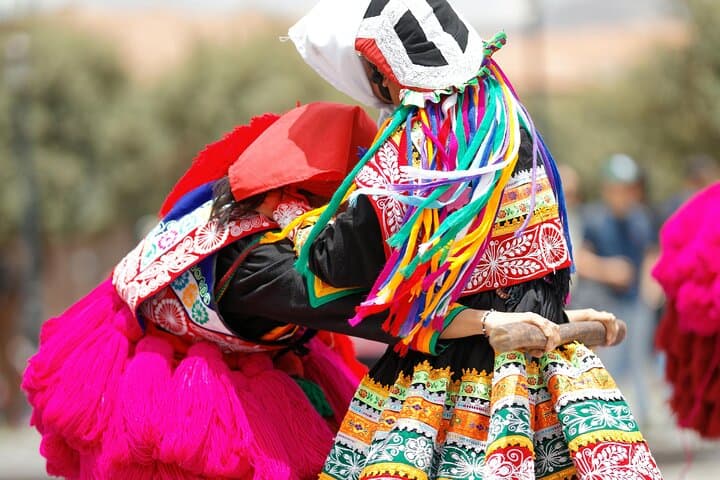
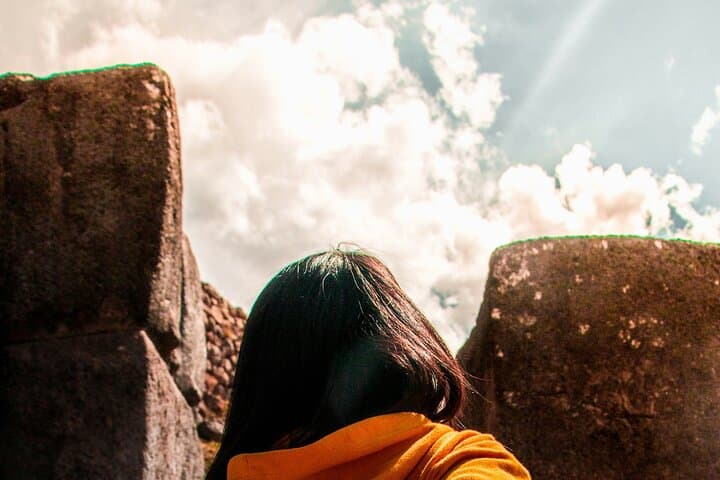
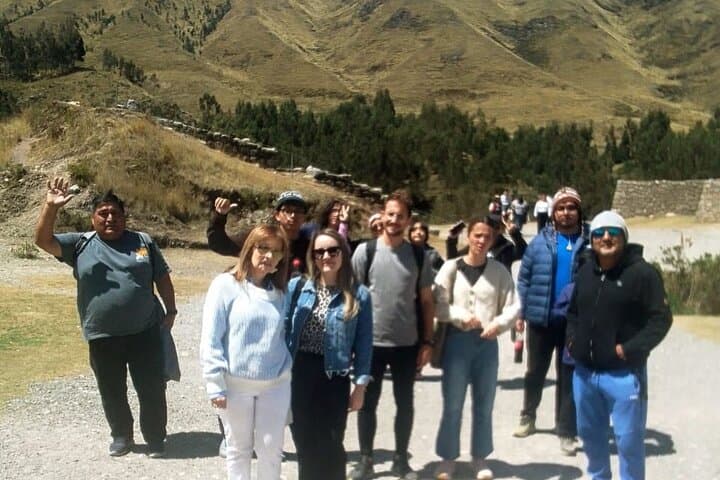
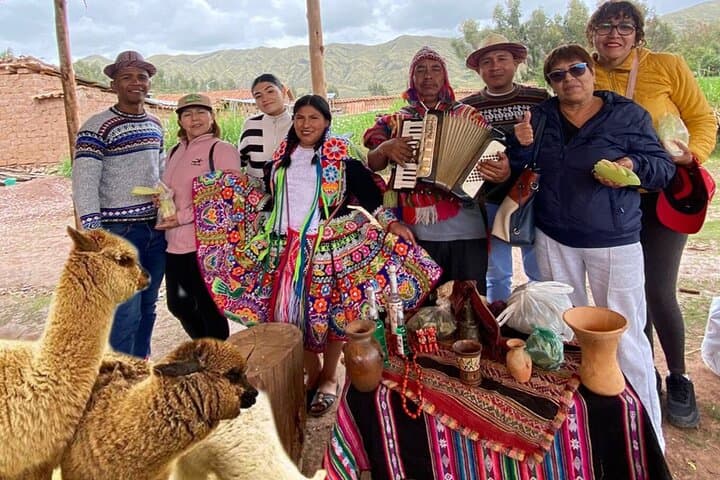
You step out onto Cusco’s Plaza de Armas with thin, clear air at roughly 3,400 metres; colonial balconies frame the square and the morning light sharpens stone and shadow. The half-day tour moves at a purposeful pace—short drives between sites, 20–30 minute visits that let you feel the scale of Inca masonry without the marathon of a full archaeological circuit.
You step out onto Cusco’s Plaza de Armas with thin, clear air at roughly 3,400 metres; colonial balconies frame the square and the morning light sharpens stone and shadow. The half-day tour moves at a purposeful pace—short drives between sites, 20–30 minute visits that let you feel the scale of Inca masonry without the marathon of a full archaeological circuit.
History presses against the present here: Qoricancha (the Temple of the Sun) was the Inca Empire’s spiritual center before Spanish cloisters rose around its basalt foundations. Sacsayhuamán’s massive terraces and angled stones still read like a deliberate challenge to gravity. Q’enqo’s carved amphitheater and Tambomachay’s water channels reveal different facets of Inca ritual, engineering and the importance of water in Andean cosmology.
Expect cobbled streets and short uphill walks between viewpoints; the ruins themselves have uneven rock, stepped terraces and exposed slopes. The guide-led format means context arrives alongside each stop, but confirm whether site admissions are included—many travelers use the Boleto Turístico for full access.
Practical edge: acclimatize for 24–48 hours if possible, sip water steadily, and wear closed shoes with good tread—even short visits include slippery stone and staircases. Morning departures cut both crowds and afternoon storms in the wet season. Lighting is best early and late; bring sun protection and a light rain shell in summer months. Pickup and drop-off are in the Plaza de Armas pool area—plan your schedule around that central point and leave room for photo stops and a quick market detour on the return.