THE ADVENTURE COLLECTIVE® · Independent discovery and booking for outdoor travel

Explore Cusco’s top Inca and colonial sites in a focused half-day tour. Visit Qoricancha, Sacsayhuamán, Tambomachay, Q’enqo and the Plaza de Armas with an English/Spanish guide and learn the practical history and geology behind each site.
Explore Cusco’s top Inca and colonial sites in a focused half-day tour. Visit Qoricancha, Sacsayhuamán, Tambomachay, Q’enqo and the Plaza de Armas with an English/Spanish guide and learn the practical history and geology behind each site.
You step out of the van onto the high, sunsharpened air of Cusco and the city seems to move at a different pace — stones, alleys and church bells marking a history still in motion.
Verified experiences and guided adventures in the surrounding area.
Operated by MACHU PICCHU VIAJES PERU · Cusco, Cusco
You step out of the van onto the high, sunsharpened air of Cusco and the city seems to move at a different pace — stones, alleys and church bells marking a history still in motion.
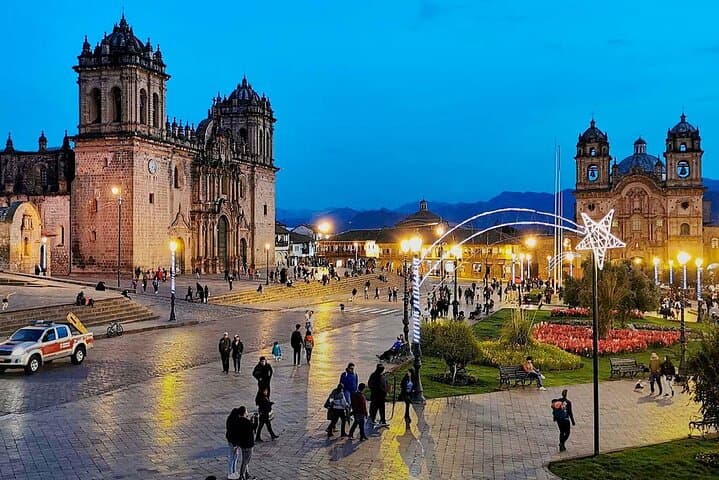
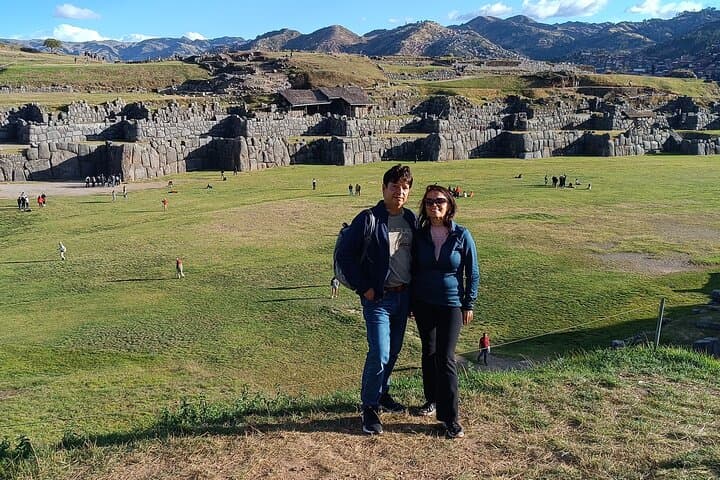
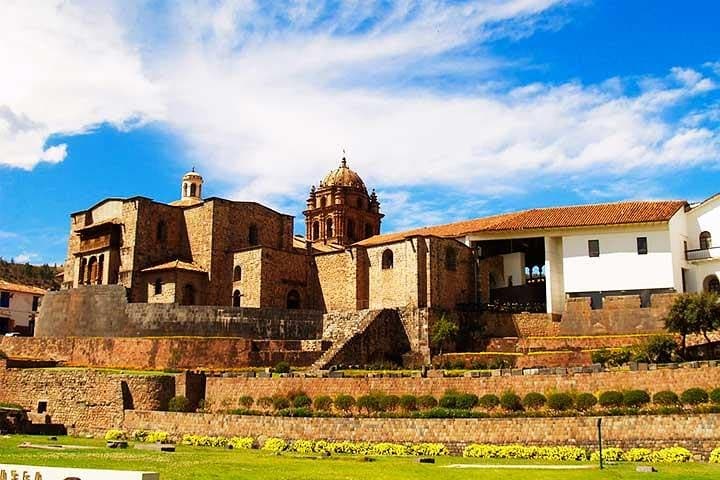
This half-day circuit threads the essential Inca and colonial sites around the Plaza de Armas. Begin at Qoricancha (Temple of the Sun), where the Spaniards built a convent atop the finest Inca masonry; the contrast of polished stone and baroque carvings tells the collision of two worlds. From there the tour climbs in elevation to Sacsayhuamán, a fortress of immense polygonal stones that lean into the wind and the city below. Nearby Puka Pukara and Pukapukara offer stepped terraces, amphitheaters and a glimpse at military logistics. Tambomachay’s carved aqueducts and Q’enqo’s subterranean galleries reveal the Inca mastery of water and ceremony.
Geology and culture go hand in hand here: hard Andean granite and limestone were quarried and shaped with precision, then reinterpreted by colonial architecture. Guides usually add local folklore — how the Intihuatana was used to read seasons — and practical notes about life at 3,400–3,600 meters.
Practical guidance: this is an easy-paced, mostly walking tour of 4–5 hours but at high altitude; bring water, sunscreen and a light rain shell during wet months. Wear sturdy shoes for uneven stone and allow a few extra minutes at viewpoints to adjust to the light and the thin air. The route is rich in photo opportunities and short, instructive stops — an efficient primer on Cusco’s Inca heart before deeper treks into the Sacred Valley.
easy.
4–5 hours.
Light walking ability; comfortable mobility for short stair sections at altitude.
Yes — the tour is rated easy with short walks and transport between sites, but consider altitude effects for very young children or those with health issues.
Yes — entrance tickets to the listed archaeological sites are included in the tour price.
Pickup and drop-off at centrally located Cusco hotels are included; confirm your pickup point when booking.
Rest on arrival day, hydrate, avoid alcohol before the tour, and consider chewing coca leaves or using coca tea if you tolerate it; consult your doctor about medications for altitude if concerned.
Cusco was the administrative and spiritual heart of the Inca Empire; colonial builders repurposed Inca foundations to erect churches and convents that still define the cityscape.
Preserve fragile stonework by staying on designated paths and following guide instructions; local sites are part of active conservation programs to limit erosion and souvenir-driven wear.
MACHU PICCHU VIAJES PERU operates guided outdoor trips and adventures with an emphasis on safety, stewardship, and memorable experiences.
You step out of the van onto the high, sunsharpened air of Cusco and the city seems to move at a different pace — stones, alleys and church bells marking a history still in motion.
You step out of the van onto the high, sunsharpened air of Cusco and the city seems to move at a different pace — stones, alleys and church bells marking a history still in motion.
This half-day circuit threads the essential Inca and colonial sites around the Plaza de Armas. Begin at Qoricancha (Temple of the Sun), where the Spaniards built a convent atop the finest Inca masonry; the contrast of polished stone and baroque carvings tells the collision of two worlds. From there the tour climbs in elevation to Sacsayhuamán, a fortress of immense polygonal stones that lean into the wind and the city below. Nearby Puka Pukara and Pukapukara offer stepped terraces, amphitheaters and a glimpse at military logistics. Tambomachay’s carved aqueducts and Q’enqo’s subterranean galleries reveal the Inca mastery of water and ceremony.
Geology and culture go hand in hand here: hard Andean granite and limestone were quarried and shaped with precision, then reinterpreted by colonial architecture. Guides usually add local folklore — how the Intihuatana was used to read seasons — and practical notes about life at 3,400–3,600 meters.
Practical guidance: this is an easy-paced, mostly walking tour of 4–5 hours but at high altitude; bring water, sunscreen and a light rain shell during wet months. Wear sturdy shoes for uneven stone and allow a few extra minutes at viewpoints to adjust to the light and the thin air. The route is rich in photo opportunities and short, instructive stops — an efficient primer on Cusco’s Inca heart before deeper treks into the Sacred Valley.