THE ADVENTURE COLLECTIVE® · Independent discovery and booking for outdoor travel

In five hours this guided half-day tour threads Cusco’s colonial cathedral, the Inca sun temple Coricancha and four nearby ruins into one compact itinerary. Ideal for acclimatizing visitors, it mixes outdoor stonework, ceremonial aqueducts and a hands-on textile visit.
In five hours this guided half-day tour threads Cusco’s colonial cathedral, the Inca sun temple Coricancha and four nearby ruins into one compact itinerary. Ideal for acclimatizing visitors, it mixes outdoor stonework, ceremonial aqueducts and a hands-on textile visit.
Stepping from a hotel doorway into Cusco's thin air, the city opens like a lived map: cobbled streets slope toward the Plaza de Armas, cathedral bells mark the hour, and a guide with a practiced stride leads the way.
Verified experiences and guided adventures in the surrounding area.
Operated by Machu Picchu Terra · Cusco, Cusco
Stepping from a hotel doorway into Cusco's thin air, the city opens like a lived map: cobbled streets slope toward the Plaza de Armas, cathedral bells mark the hour, and a guide with a practiced stride leads the way.
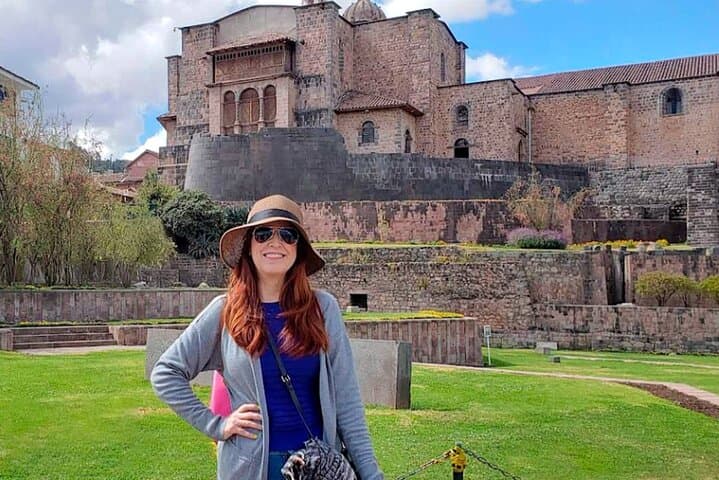
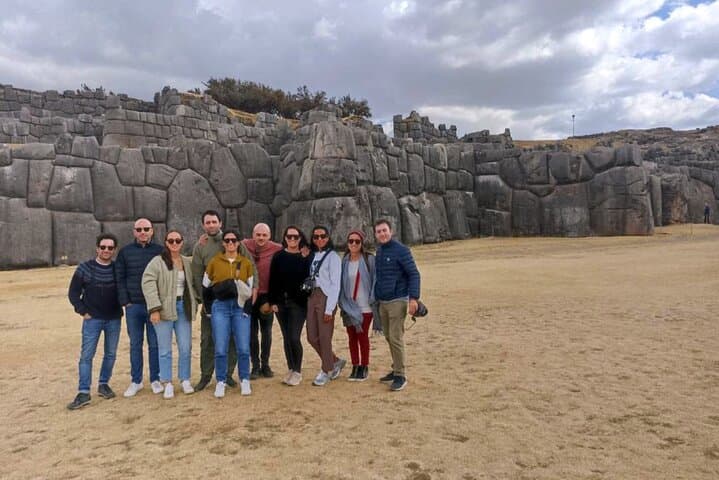
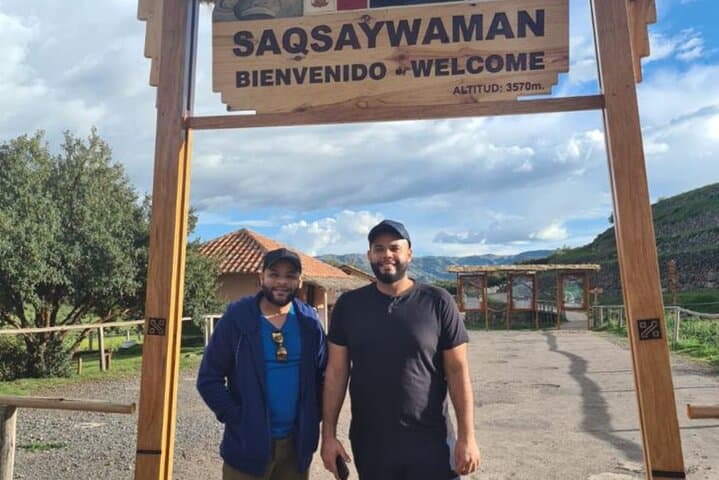
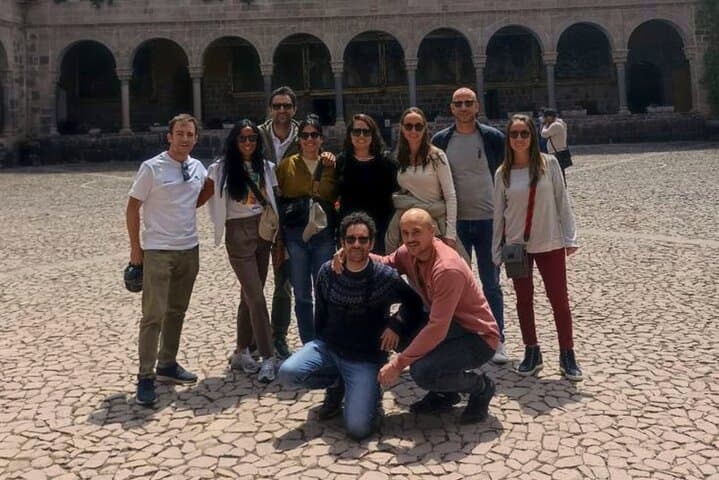
The half-day route stitches colonial and Inca histories side by side. Inside the Cathedral, gilded altars speak to Spanish-era wealth grafted onto an earlier civic core. Across the square, Coricancha—once the empire’s solar temple—reveals mortarless stonework beneath a later convent. The tour then moves up to Sacsayhuaman, where quarried blocks—some weighing over 100 tons—lean into terraces and views that make the surrounding ridgelines seem like watchful hosts.
Qenqo, Tambomachay and Pucapucara each present different facets of Inca engineering: carved ceremonial chambers, aqueduct channels that still whisper water’s route, and guard posts that frame the city below. The final stop at a textile center adds living culture: local weavers explain dyeing and spinning, and visitors can handle alpaca garments before buying.
Practical edge: this is an easy, low-mileage excursion but it’s high altitude—expect light fatigue and slower walking. Wear sturdy shoes for uneven stone, bring sunscreen and bottled water, and allow time to acclimatize before the tour. The operator provides hotel pickup and transport between sites, and admissions are included.
In five hours you experience Cusco’s layered past and raw geology, then close the loop with contemporary craft—an efficient, grounded introduction for visitors planning longer treks or archaeological visits.
easy.
5 hours.
Suitable for most fitness levels; light walking on uneven surfaces and short inclines around ruins.
Yes—shared pickup from central Cusco hotels is included; pickup windows are typically 8:30–9:00am or 12:30–1:00pm for the later shift.
Yes, the tour includes admissions to the listed sites such as the Cathedral, Coricancha and the four ruins visited.
The route involves uneven stones and some short uphill walks; it may be challenging for those with significant mobility limitations—contact the operator to discuss accommodations.
Yes, the tour ends at a textile center where local weavers demonstrate techniques and sell alpaca garments and accessories.
Cusco was the administrative and spiritual heart of the Inca empire before Spanish conquerors overbuilt many temples with churches and convents, creating visible layers of two eras.
Visitors should avoid touching or climbing on fragile stonework, stay on designated paths, and support local conservation by buying authentic, ethically made textiles.
Machu Picchu Terra operates guided outdoor trips and adventures with an emphasis on safety, stewardship, and memorable experiences.
Stepping from a hotel doorway into Cusco's thin air, the city opens like a lived map: cobbled streets slope toward the Plaza de Armas, cathedral bells mark the hour, and a guide with a practiced stride leads the way.
Stepping from a hotel doorway into Cusco's thin air, the city opens like a lived map: cobbled streets slope toward the Plaza de Armas, cathedral bells mark the hour, and a guide with a practiced stride leads the way.
The half-day route stitches colonial and Inca histories side by side. Inside the Cathedral, gilded altars speak to Spanish-era wealth grafted onto an earlier civic core. Across the square, Coricancha—once the empire’s solar temple—reveals mortarless stonework beneath a later convent. The tour then moves up to Sacsayhuaman, where quarried blocks—some weighing over 100 tons—lean into terraces and views that make the surrounding ridgelines seem like watchful hosts.
Qenqo, Tambomachay and Pucapucara each present different facets of Inca engineering: carved ceremonial chambers, aqueduct channels that still whisper water’s route, and guard posts that frame the city below. The final stop at a textile center adds living culture: local weavers explain dyeing and spinning, and visitors can handle alpaca garments before buying.
Practical edge: this is an easy, low-mileage excursion but it’s high altitude—expect light fatigue and slower walking. Wear sturdy shoes for uneven stone, bring sunscreen and bottled water, and allow time to acclimatize before the tour. The operator provides hotel pickup and transport between sites, and admissions are included.
In five hours you experience Cusco’s layered past and raw geology, then close the loop with contemporary craft—an efficient, grounded introduction for visitors planning longer treks or archaeological visits.