THE ADVENTURE COLLECTIVE® · Independent discovery and booking for outdoor travel

Explore four iconic Inca sites in a focused half-day circuit around Cusco. This private tour combines monumental stonework, ritual chambers, military terraces and engineered springs with private transport and an English guide.
Explore four iconic Inca sites in a focused half-day circuit around Cusco. This private tour combines monumental stonework, ritual chambers, military terraces and engineered springs with private transport and an English guide.
You step out of a private vehicle into a thin, cool air and immediately feel the city drop away beneath stone ramparts and sweeping Andes light. Sacsayhuamán’s enormous, interlocking walls rise like a human-made cliff; here the guide points out tool marks and mortarless joints while the city of Cusco spreads below like a living map.
Verified experiences and guided adventures in the surrounding area.
Operated by Kaypi Peru tours · Cusco, Cusco Region
You step out of a private vehicle into a thin, cool air and immediately feel the city drop away beneath stone ramparts and sweeping Andes light. Sacsayhuamán’s enormous, interlocking walls rise like a human-made cliff; here the guide points out tool marks and mortarless joints while the city of Cusco spreads below like a living map.
The route moves with a purposeful rhythm—Qenqo’s carved altars and underground chambers invite close inspection of Inca ritual engineering; Puca Pucara’s terraces and defensive walls show the logistics of control along this highland corridor; Tambomachay’s channels and springs demonstrate the Incas’ refined water-handling and their reverence for natural sources.
Geology explains much: the local andesite and limestone were quarried and dressed on-site, then shifted into geometries that resist seismic jolt. Culturally, these sites form a ring of sacred, administrative, and military functions that once framed Cusco as both capital and ritual center of Tawantinsuyu.
Practicalities: the half-day loop runs about four hours with short walks at each site and several stairways on irregular stone. Elevation around 3,400–3,600 m means pace yourself—expect brief uphill sections, uneven steps, and strong sun. The tour includes private transport, entrance fees, bottled water, and an English-speaking guide. Bring a water bottle, sun protection, sturdy shoes, a warm layer, and your camera.
Best times are morning light or late afternoon to avoid peak crowds and capture sculpted shadows. If you have respiratory or cardiovascular concerns, consult a physician before visiting; otherwise this compact circuit is one of the clearest, most accessible ways to read Inca engineering in the landscape.
moderate.
4 hours.
Able to walk short distances on uneven stone and climb flights of stairs; moderate cardiovascular condition recommended due to altitude.
The private tour lasts about four hours and includes Sacsayhuamán, Qenqo, Puca Pucara and Tambomachay with transportation and entrance fees included.
Sites have uneven stone steps and some short uphill walks; it’s generally suitable for most fitness levels but not recommended for serious mobility limitations or recent spinal injuries.
Yes—entrance tickets to all listed archaeological sites and an English-speaking guide are included in the tour price.
Yes; spending a day or two in Cusco and avoiding heavy exertion beforehand reduces altitude sickness risk. If you have heart or respiratory issues, consult your doctor.
These sites form part of Cusco’s defensive and ceremonial ring from the late pre-Hispanic period; Sacsayhuamán served military and ceremonial roles, while Tambomachay highlights Inca water engineering.
Visitor impact is managed by Peru’s cultural authorities—stay on designated paths, avoid touching fragile masonry, and follow guide instructions to help preserve these highland sites.
Kaypi Peru tours operates guided outdoor trips and adventures with an emphasis on safety, stewardship, and memorable experiences.
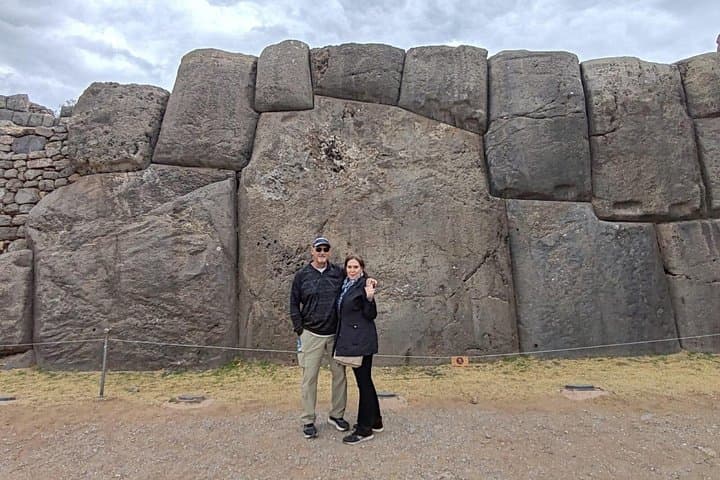
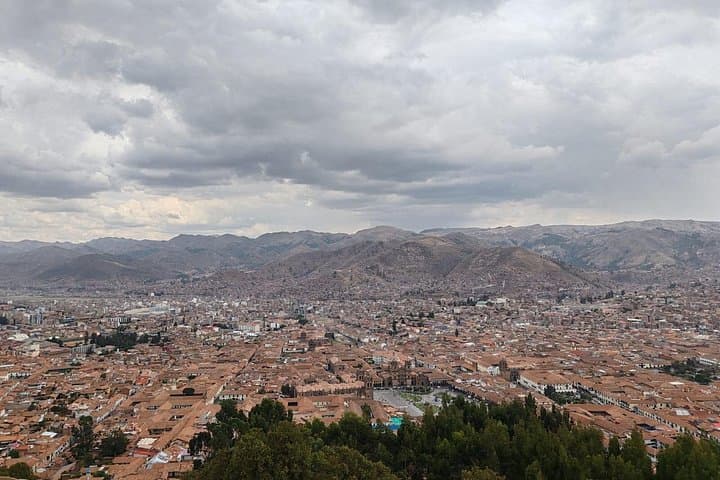
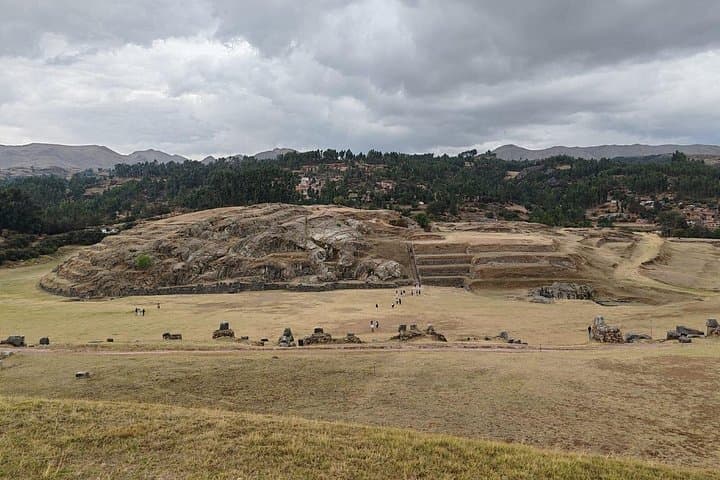
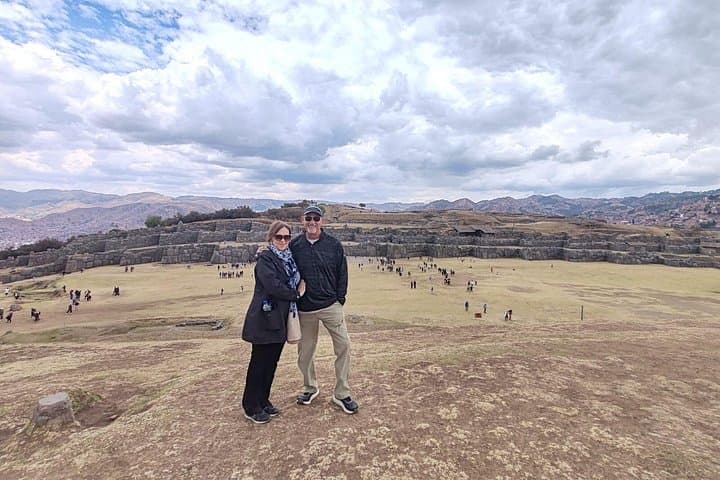
You step out of a private vehicle into a thin, cool air and immediately feel the city drop away beneath stone ramparts and sweeping Andes light. Sacsayhuamán’s enormous, interlocking walls rise like a human-made cliff; here the guide points out tool marks and mortarless joints while the city of Cusco spreads below like a living map.
You step out of a private vehicle into a thin, cool air and immediately feel the city drop away beneath stone ramparts and sweeping Andes light. Sacsayhuamán’s enormous, interlocking walls rise like a human-made cliff; here the guide points out tool marks and mortarless joints while the city of Cusco spreads below like a living map.
The route moves with a purposeful rhythm—Qenqo’s carved altars and underground chambers invite close inspection of Inca ritual engineering; Puca Pucara’s terraces and defensive walls show the logistics of control along this highland corridor; Tambomachay’s channels and springs demonstrate the Incas’ refined water-handling and their reverence for natural sources.
Geology explains much: the local andesite and limestone were quarried and dressed on-site, then shifted into geometries that resist seismic jolt. Culturally, these sites form a ring of sacred, administrative, and military functions that once framed Cusco as both capital and ritual center of Tawantinsuyu.
Practicalities: the half-day loop runs about four hours with short walks at each site and several stairways on irregular stone. Elevation around 3,400–3,600 m means pace yourself—expect brief uphill sections, uneven steps, and strong sun. The tour includes private transport, entrance fees, bottled water, and an English-speaking guide. Bring a water bottle, sun protection, sturdy shoes, a warm layer, and your camera.
Best times are morning light or late afternoon to avoid peak crowds and capture sculpted shadows. If you have respiratory or cardiovascular concerns, consult a physician before visiting; otherwise this compact circuit is one of the clearest, most accessible ways to read Inca engineering in the landscape.