THE ADVENTURE COLLECTIVE® · Independent discovery and booking for outdoor travel

Rise early from Cusco for a full-day hike to Vinicunca, the Rainbow Mountain, where exposed mineral layers create vivid stripes at high altitude. This practical guide walks through what to expect—terrain, altitude, and how to prepare for a demanding yet accessible Andean day hike.
Rise early from Cusco for a full-day hike to Vinicunca, the Rainbow Mountain, where exposed mineral layers create vivid stripes at high altitude. This practical guide walks through what to expect—terrain, altitude, and how to prepare for a demanding yet accessible Andean day hike.
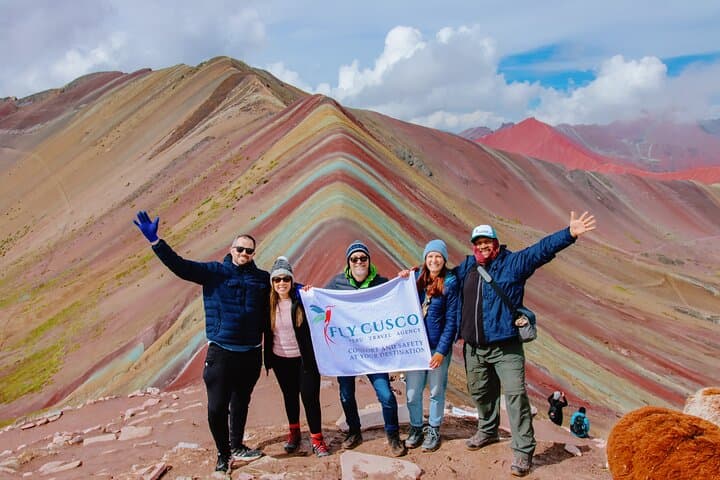
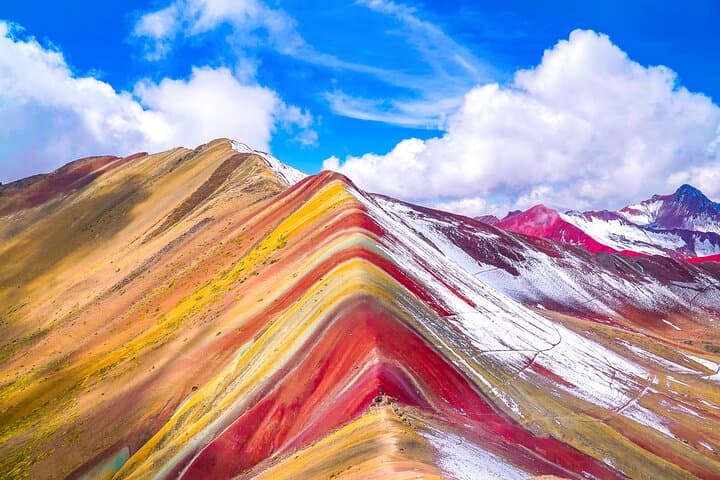
Dawn pulls the van out of Cusco and the Andes open up—raw ridgelines, grazing llamas, and a sky that thins with altitude. By the time you step off in Pampachiri at roughly 3,700 m the air already feels sharper; the trail climbs steadily, a stony ribbon that leads toward a banded peak bright with iron reds, ochres and minty greens.
Verified experiences and guided adventures in the surrounding area.
Operated by FLY CUSCO Perú Travel Agency · Cusco, Cusco Region
Dawn pulls the van out of Cusco and the Andes open up—raw ridgelines, grazing llamas, and a sky that thins with altitude. By the time you step off in Pampachiri at roughly 3,700 m the air already feels sharper; the trail climbs steadily, a stony ribbon that leads toward a banded peak bright with iron reds, ochres and minty greens.
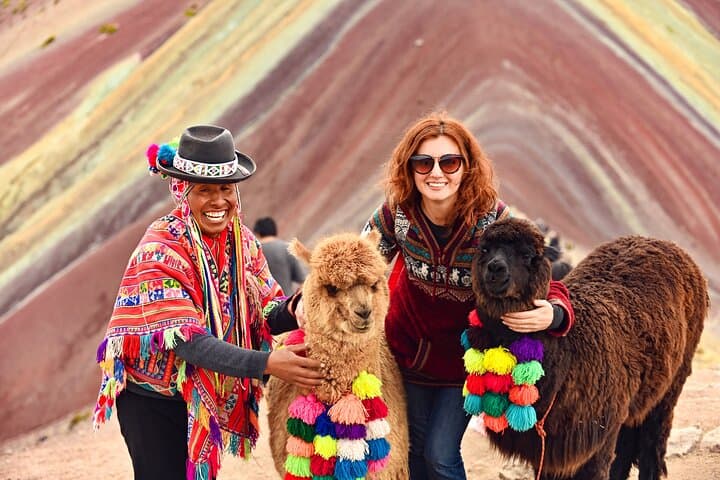
Geology here is literal reading of earth: red beds, iron oxides and weathered claystones layered and exposed by glacial scouring and tectonic uplift. Local Quechua communities still herd alpacas in the valleys below Ausangate, a sacred massif whose glaciers crest just above the rainbow slopes and have long shaped ritual and seasonal life in this part of the Cusco region.
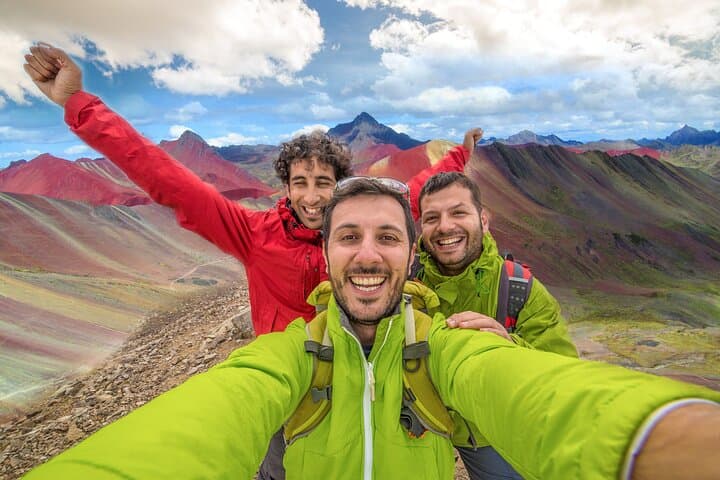
Expect about 1.5 hours of uphill hiking to the main viewpoint, thinner air and panoramic exposure at near 5,000 m, followed by a downhill return—total door-to-door is a long day from Cusco. Guides typically explain the stripe formation, point out grazing herds and manage logistics like permits and mealtimes.
Practical edge: acclimatize in Cusco for 48 hours if you can, pack warm layers and high-calorie snacks, and set a steady walking rhythm—altitude, not steepness, is the real test. Water, sun protection and a spare pair of gloves make the summit window far more comfortable. Photography windows are best mid-morning after low clouds burn off, but the light changes fast, so be ready when the mountain turns.
challenging.
10–12 hours.
Should have good cardiovascular fitness and experience with sustained uphill hiking at altitude; prior acclimatization recommended.
From Pampachiri the uphill section to the main viewpoint typically takes about 1–1.5 hours depending on fitness and acclimatization.
Some routes or park access points may request a small local fee or donation; confirm with your operator before departure and bring cash for incidental payments.
Symptoms include headache, nausea and dizziness; acclimatize in Cusco, hydrate, avoid alcohol before the trek and descend immediately if severe symptoms occur.
Mid-morning after low clouds lift offers the most consistent light; afternoons can bring cloud cover and reduced visibility during the wet season.
The colored strata are the result of mineral deposits and glacial erosion; Ausangate has been a spiritual and grazing landmark for Quechua communities for centuries.
This alpine environment is fragile—stay on trails, pack out trash, and respect local grazing areas to limit erosion and disturbance.
FLY CUSCO Perú Travel Agency operates guided outdoor trips and adventures with an emphasis on safety, stewardship, and memorable experiences.
Dawn pulls the van out of Cusco and the Andes open up—raw ridgelines, grazing llamas, and a sky that thins with altitude. By the time you step off in Pampachiri at roughly 3,700 m the air already feels sharper; the trail climbs steadily, a stony ribbon that leads toward a banded peak bright with iron reds, ochres and minty greens.
Dawn pulls the van out of Cusco and the Andes open up—raw ridgelines, grazing llamas, and a sky that thins with altitude. By the time you step off in Pampachiri at roughly 3,700 m the air already feels sharper; the trail climbs steadily, a stony ribbon that leads toward a banded peak bright with iron reds, ochres and minty greens.
Geology here is literal reading of earth: red beds, iron oxides and weathered claystones layered and exposed by glacial scouring and tectonic uplift. Local Quechua communities still herd alpacas in the valleys below Ausangate, a sacred massif whose glaciers crest just above the rainbow slopes and have long shaped ritual and seasonal life in this part of the Cusco region.
Expect about 1.5 hours of uphill hiking to the main viewpoint, thinner air and panoramic exposure at near 5,000 m, followed by a downhill return—total door-to-door is a long day from Cusco. Guides typically explain the stripe formation, point out grazing herds and manage logistics like permits and mealtimes.
Practical edge: acclimatize in Cusco for 48 hours if you can, pack warm layers and high-calorie snacks, and set a steady walking rhythm—altitude, not steepness, is the real test. Water, sun protection and a spare pair of gloves make the summit window far more comfortable. Photography windows are best mid-morning after low clouds burn off, but the light changes fast, so be ready when the mountain turns.