THE ADVENTURE COLLECTIVE® · Independent discovery and booking for outdoor travel

A pre-dawn drive from Cusco leads to a high-altitude hike that finishes at Vinicunca, the striped slope known as Rainbow Mountain. This full-day excursion combines dramatic geology with Quechua cultural context and practical challenges from thin air and shifting weather.
A pre-dawn drive from Cusco leads to a high-altitude hike that finishes at Vinicunca, the striped slope known as Rainbow Mountain. This full-day excursion combines dramatic geology with Quechua cultural context and practical challenges from thin air and shifting weather.
You leave Cusco before dawn, the van threading quiet highland roads as the Andes wake orange. At the trailhead the air is thin and sharp; the first steps climb through puna grass and cold wind that seems to test your resolve. The summit opens like a painted ridge — bands of rust, ochre, turquoise and lavender stacked across a slope that refuses to sit still in your memory.
Verified experiences and guided adventures in the surrounding area.
Operated by Yawar Peru Tours · Pitumarca, Cusco
You leave Cusco before dawn, the van threading quiet highland roads as the Andes wake orange. At the trailhead the air is thin and sharp; the first steps climb through puna grass and cold wind that seems to test your resolve. The summit opens like a painted ridge — bands of rust, ochre, turquoise and lavender stacked across a slope that refuses to sit still in your memory.
Geology here reads like a ledger of time: mineral-rich sediments folded, lifted and exposed by the Vilcanota range and glaciation. Locals in Pitumarca and the surrounding Quechua communities have grazed llamas and tended to alpaca herds for centuries; the mountain and nearby Ausangate hold cultural significance in Andean cosmology and seasonal festivals.
Expect a steady ascent from the 4,326 m trailhead to roughly 5,020 m at the viewpoint, with uneven volcanic scree and compacted soil underfoot. Weather shifts fast — sun, wind, and the chance of afternoon snow in the wet months. Guides often include oxygen and a mid-morning buffet stop for extra recovery.
Practical guidance: pace yourself and sip water frequently to manage altitude. Wear sturdy boots with good traction and layer for wind and sun. Start very early to avoid crowds and afternoon precipitation. Consider an acclimatization day in Cusco (3,400 m) or a supplementary night in nearby towns if you’ve traveled from sea level. Respect local grazing areas, stay on the trail, and bring cash for small purchases or tips to local porters and vendors.
challenging.
10–12 hours.
Suitable for hikers with moderate to strong cardiovascular fitness; stamina for sustained uphill walking at high altitude required.
The trail is a steady high-altitude ascent with some loose scree; physically demanding mainly because you gain altitude quickly — moderate to strong fitness recommended.
Yes — spend at least one night in Cusco or a similar altitude before attempting Vinicunca to reduce the risk of altitude sickness.
Tours run year-round, but the wet season (Dec–Mar) increases chances of poor trail conditions and limited visibility; choose dry months for best results.
Yes — Palccoyo offers similar colored formations on a less crowded, shorter hike; some travelers combine both if time and acclimatization permit.
The Vilcanota range has been inhabited by Quechua communities for generations; nearby sacred mountains like Ausangate figure into local ritual cycles and herding economies.
High-altitude puna is fragile: stay on designated trails, avoid feeding wildlife, and pack out waste to limit erosion and disturbance to grazing areas.
Yawar Peru Tours operates guided outdoor trips and adventures with an emphasis on safety, stewardship, and memorable experiences.
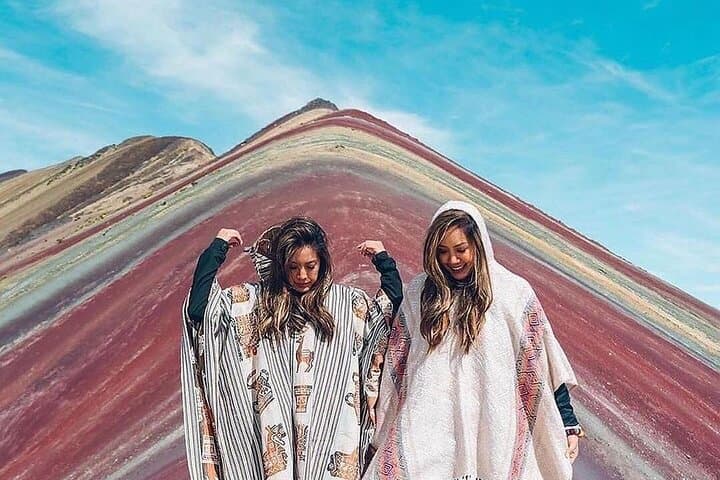

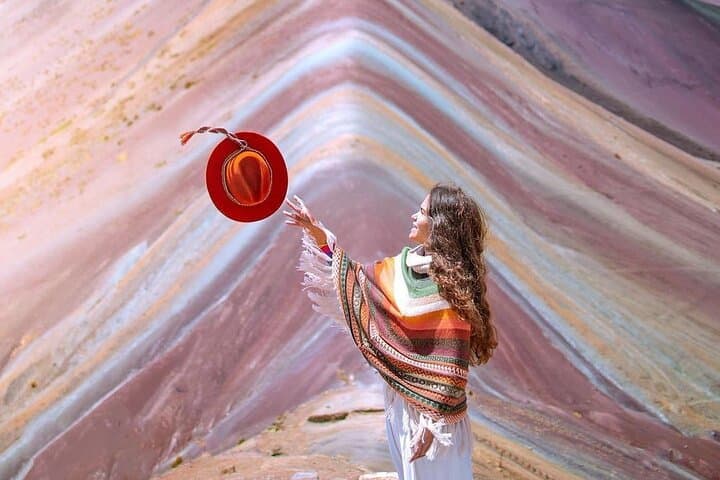
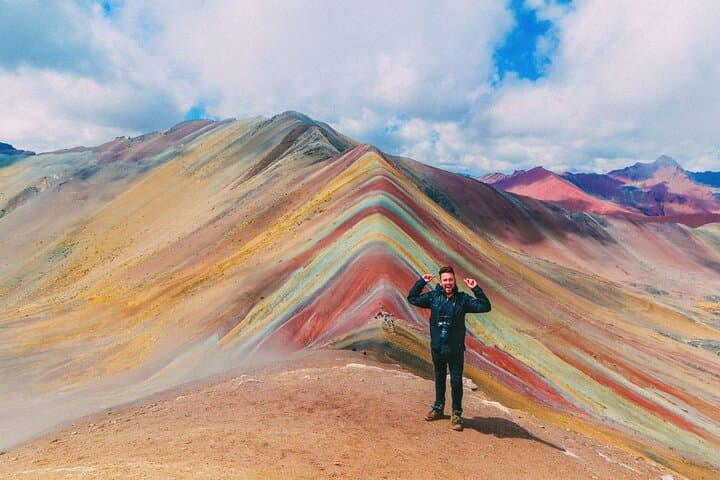
You leave Cusco before dawn, the van threading quiet highland roads as the Andes wake orange. At the trailhead the air is thin and sharp; the first steps climb through puna grass and cold wind that seems to test your resolve. The summit opens like a painted ridge — bands of rust, ochre, turquoise and lavender stacked across a slope that refuses to sit still in your memory.
You leave Cusco before dawn, the van threading quiet highland roads as the Andes wake orange. At the trailhead the air is thin and sharp; the first steps climb through puna grass and cold wind that seems to test your resolve. The summit opens like a painted ridge — bands of rust, ochre, turquoise and lavender stacked across a slope that refuses to sit still in your memory.
Geology here reads like a ledger of time: mineral-rich sediments folded, lifted and exposed by the Vilcanota range and glaciation. Locals in Pitumarca and the surrounding Quechua communities have grazed llamas and tended to alpaca herds for centuries; the mountain and nearby Ausangate hold cultural significance in Andean cosmology and seasonal festivals.
Expect a steady ascent from the 4,326 m trailhead to roughly 5,020 m at the viewpoint, with uneven volcanic scree and compacted soil underfoot. Weather shifts fast — sun, wind, and the chance of afternoon snow in the wet months. Guides often include oxygen and a mid-morning buffet stop for extra recovery.
Practical guidance: pace yourself and sip water frequently to manage altitude. Wear sturdy boots with good traction and layer for wind and sun. Start very early to avoid crowds and afternoon precipitation. Consider an acclimatization day in Cusco (3,400 m) or a supplementary night in nearby towns if you’ve traveled from sea level. Respect local grazing areas, stay on the trail, and bring cash for small purchases or tips to local porters and vendors.