THE ADVENTURE COLLECTIVE® · Independent discovery and booking for outdoor travel

A full-day hike from Cusco to Vinicunca (Rainbow Mountain) combines high-Andean scenery, geological color bands and Quechua highland culture. Plan for a long day, high altitude, and changing weather — the payoff is dramatic mountain color and sweeping views of Apu Ausangate.
A full-day hike from Cusco to Vinicunca (Rainbow Mountain) combines high-Andean scenery, geological color bands and Quechua highland culture. Plan for a long day, high altitude, and changing weather — the payoff is dramatic mountain color and sweeping views of Apu Ausangate.
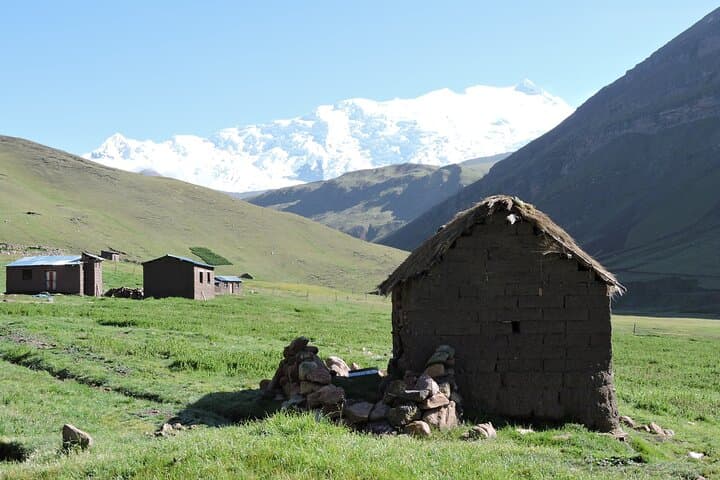
Before sunrise a minivan eases out of Cusco and the road climbs into thin air; by the time daylight scatters across the puna, the jagged silhouette of Apu Ausangate fills the windshield. At the village of Cusipata, guides hand out tea and a hot breakfast, then the real climb begins — a high-altitude trek through puna grass, braided streams and terraces worn by pre-Inca agriculture.
Verified experiences and guided adventures in the surrounding area.
Operated by Reserv Cusco · Cusco, Cusco
Before sunrise a minivan eases out of Cusco and the road climbs into thin air; by the time daylight scatters across the puna, the jagged silhouette of Apu Ausangate fills the windshield. At the village of Cusipata, guides hand out tea and a hot breakfast, then the real climb begins — a high-altitude trek through puna grass, braided streams and terraces worn by pre-Inca agriculture.
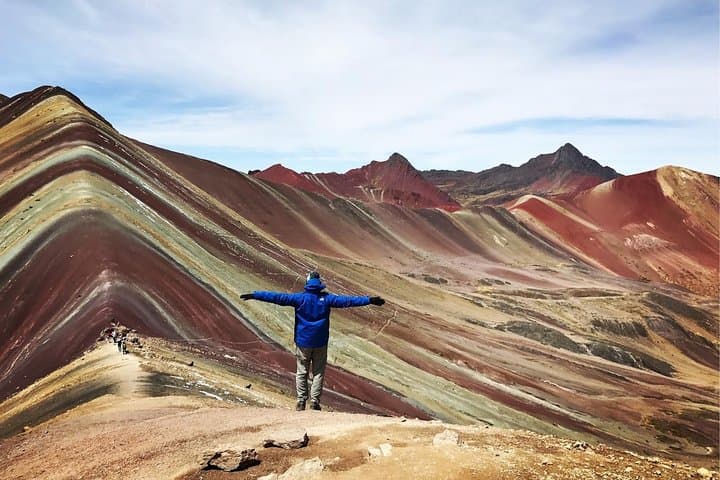
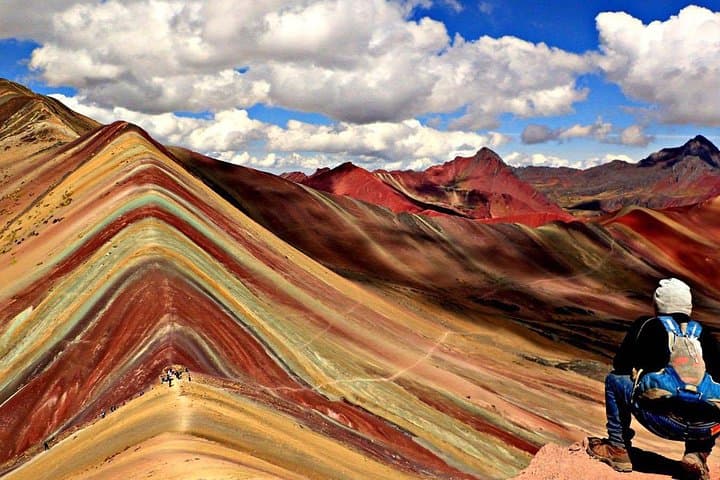
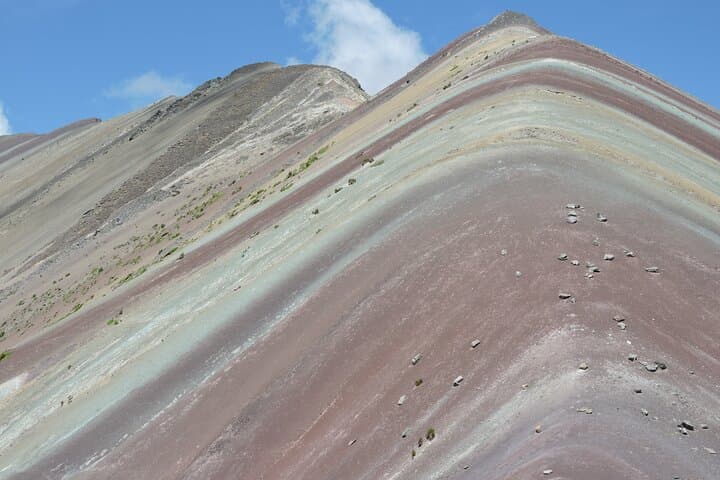
Vinicunca — commonly called Rainbow Mountain — is a geologic stripe show: iron and copper oxides, clays and other minerals weather into bands of red, ochre, green and violet across slopes above 5,000 m. The mountain sits in a landscape shaped by glacial carving and centuries of pastoral Quechua life; herders still move llamas and alpacas across the same passes described in local oral histories.
Expect roughly 6 km of walking with a steady ascent that takes about two hours one way, depending on pace and stops. Weather is volatile at altitude — sun can blaze one minute and sleet the next — so time your visit in the dry season (May–September) when trails are firmer and views are clearer. Guides included on most full-day departures manage logistics: transport from Cusco, entrance fees, and a cooked lunch back in Cusipata.
Practical planning centers on acclimatization and layering. Hydrate the day before, sleep low in Cusco, and allow extra minutes for altitude breath. Good boots, trekking poles and sunscreen make the traverse safer and more comfortable. Arrive ready to trade ease for one of the Andes’ most immediate geological spectacles.
challenging.
10 hours.
Good cardiovascular fitness recommended; expect steep walking at 4,300–5,200 m and reduced oxygen — regular walkers and hikers will cope best.
The trek involves about 6 km of walking with a steady ascent that typically takes around two hours to reach the viewpoint; overall the trip is a long day (~10 hours including transport) and is considered challenging due to altitude.
Most full-day tours include round-trip transport from Cusco or nearby pickup points, entrance fees to the Vinicunca area, a local guide, and a cooked lunch back in the village.
People with serious heart or spinal conditions, pregnant travelers, and those unable to tolerate high altitude are advised not to attempt this trek; infants should sit on laps if brought along.
The dry season (May–September) offers the most stable weather and best visibility; the rainy season (December–March) brings muddy trails and reduced views.
Vinicunca sits within ancestral Quechua territory and is part of a landscape long crossed by pastoral routes and pre-Inca agricultural terraces.
Rising visitor numbers have stressed fragile alpine soils and water sources; stick to marked trails, avoid littering and support local guides to ensure sustainable tourism.
Reserv Cusco operates guided outdoor trips and adventures with an emphasis on safety, stewardship, and memorable experiences.
Before sunrise a minivan eases out of Cusco and the road climbs into thin air; by the time daylight scatters across the puna, the jagged silhouette of Apu Ausangate fills the windshield. At the village of Cusipata, guides hand out tea and a hot breakfast, then the real climb begins — a high-altitude trek through puna grass, braided streams and terraces worn by pre-Inca agriculture.
Before sunrise a minivan eases out of Cusco and the road climbs into thin air; by the time daylight scatters across the puna, the jagged silhouette of Apu Ausangate fills the windshield. At the village of Cusipata, guides hand out tea and a hot breakfast, then the real climb begins — a high-altitude trek through puna grass, braided streams and terraces worn by pre-Inca agriculture.
Vinicunca — commonly called Rainbow Mountain — is a geologic stripe show: iron and copper oxides, clays and other minerals weather into bands of red, ochre, green and violet across slopes above 5,000 m. The mountain sits in a landscape shaped by glacial carving and centuries of pastoral Quechua life; herders still move llamas and alpacas across the same passes described in local oral histories.
Expect roughly 6 km of walking with a steady ascent that takes about two hours one way, depending on pace and stops. Weather is volatile at altitude — sun can blaze one minute and sleet the next — so time your visit in the dry season (May–September) when trails are firmer and views are clearer. Guides included on most full-day departures manage logistics: transport from Cusco, entrance fees, and a cooked lunch back in Cusipata.
Practical planning centers on acclimatization and layering. Hydrate the day before, sleep low in Cusco, and allow extra minutes for altitude breath. Good boots, trekking poles and sunscreen make the traverse safer and more comfortable. Arrive ready to trade ease for one of the Andes’ most immediate geological spectacles.