THE ADVENTURE COLLECTIVE® · Independent discovery and booking for outdoor travel

An early-morning ATV run from Cusco to Vinicunca gets you to Rainbow Mountain with less walking and more off-road terrain. Expect a short high-altitude hike to the viewpoint, rugged footing, and vivid mineral bands best seen in clear, dry weather.
An early-morning ATV run from Cusco to Vinicunca gets you to Rainbow Mountain with less walking and more off-road terrain. Expect a short high-altitude hike to the viewpoint, rugged footing, and vivid mineral bands best seen in clear, dry weather.
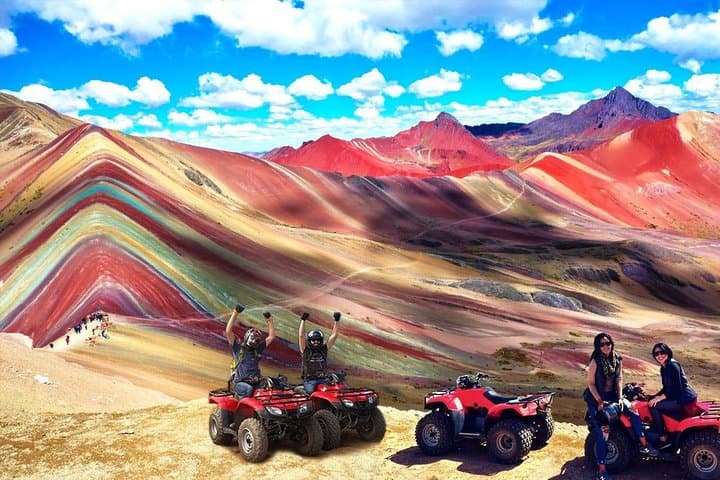
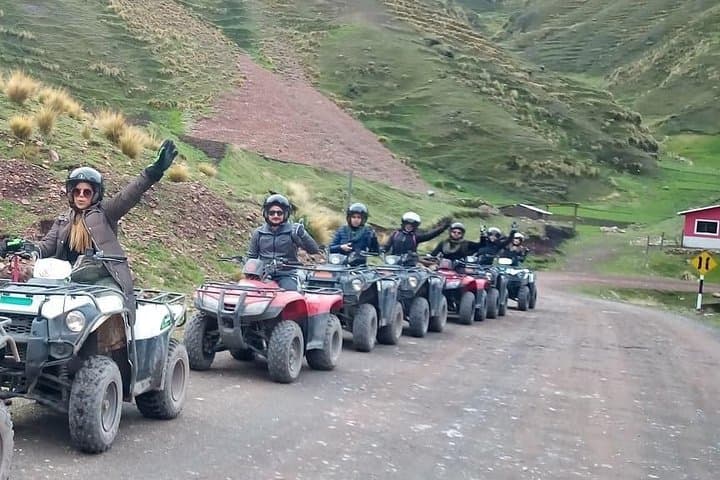
Before sunrise the shuttle slips out of Cusco and the puna opens up: wide, wind-cut grassland that pushes the sound of the engine ahead. By the time riders reach Japura the ATVs are warmed and the Andes have already started to color—ochres, rusts and pale greens gathered in folds across the ridgeline. The machines rumble up toward Qosqopata at about 4,900 m, and from there a short, sharp 1.5 km hike (roughly 35 minutes) gains the viewpoint at 5,038 m where the so-called Seven-Colored Mountain holds its stripe-like geology like a painted scar.
Verified experiences and guided adventures in the surrounding area.
Operated by MachuPicchu Journey · Cusco, Cusco
Before sunrise the shuttle slips out of Cusco and the puna opens up: wide, wind-cut grassland that pushes the sound of the engine ahead. By the time riders reach Japura the ATVs are warmed and the Andes have already started to color—ochres, rusts and pale greens gathered in folds across the ridgeline. The machines rumble up toward Qosqopata at about 4,900 m, and from there a short, sharp 1.5 km hike (roughly 35 minutes) gains the viewpoint at 5,038 m where the so-called Seven-Colored Mountain holds its stripe-like geology like a painted scar.
Geology here is literal: exposed sedimentary layers rich in iron oxides, copper salts and clays laid down over millennia and revealed by glacial scouring. The human story runs alongside—the plateau is worked by Quechua-speaking communities who graze llamas and alpacas and whose woven textiles and small homesteads punctuate the route. Japura’s breakfast and the lunch back in town are practical reminders that this is working land as much as a photo destination.
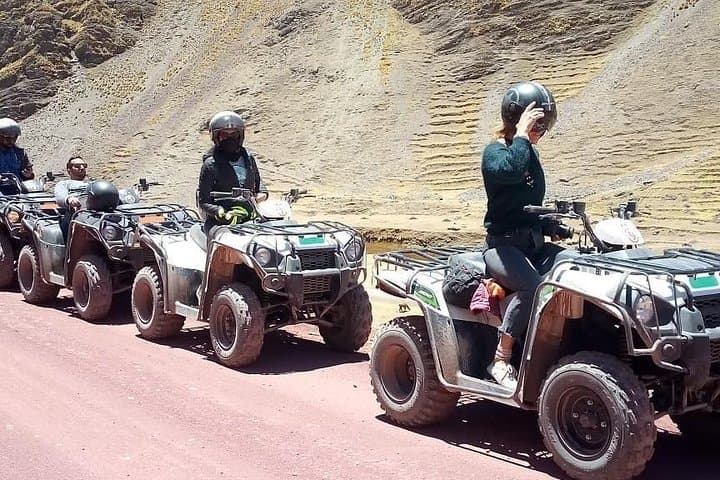
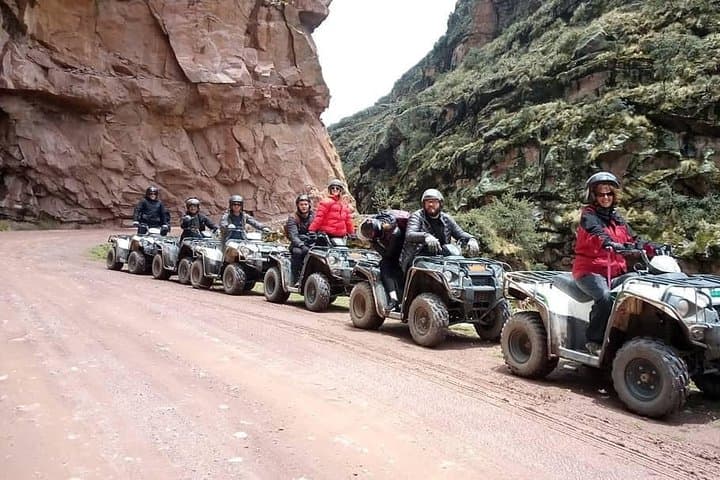
Practical notes: altitude is the primary challenge—plan 12 hours for the round trip, wear warm layers and sturdy boots, and expect rocky footing on the final approach. Helmets and basic ATV instruction are provided, but the ride can be bumpy and cold; bring sun protection, water, and pace yourself on the climb. If you arrive early in the dry season you dodge crowds and catch the light that makes the minerals read as color rather than mud.
This full-day ATV option compresses transport and off-road access so travelers can see the feature with less walking, but the altitude and weather still demand preparation and respect.
challenging.
12 hours.
Suitable for travelers who can manage a short uphill walk at high altitude and tolerate several hours on an ATV; good cardiovascular tolerance recommended.
The walk is about 1.5 km and typically takes 30–45 minutes depending on pace and acclimatization; the path is steep and rocky in places.
No—basic driving instruction is provided and ATVs are suitable for beginners, but riders must be comfortable controlling the vehicle on uneven terrain.
Colors are most vivid in clear, dry conditions; during the wet season the bands can be muted or obscured by clouds and rain, and trails become slippery.
This tour is not recommended for pregnant travelers, people with serious cardiovascular or spinal conditions; anyone with concerns should consult a physician before booking.
The striped slopes are exposed sedimentary beds and oxidized mineral layers; the area sits on traditional Quechua grazing lands with a long history of pastoralism and alpine travel routes.
High visitor numbers stress fragile soils and grazing ecosystems—stay on designated trails, pack out all waste, and support local operators that invest in trail maintenance and community benefits.
MachuPicchu Journey operates guided outdoor trips and adventures with an emphasis on safety, stewardship, and memorable experiences.
Before sunrise the shuttle slips out of Cusco and the puna opens up: wide, wind-cut grassland that pushes the sound of the engine ahead. By the time riders reach Japura the ATVs are warmed and the Andes have already started to color—ochres, rusts and pale greens gathered in folds across the ridgeline. The machines rumble up toward Qosqopata at about 4,900 m, and from there a short, sharp 1.5 km hike (roughly 35 minutes) gains the viewpoint at 5,038 m where the so-called Seven-Colored Mountain holds its stripe-like geology like a painted scar.
Before sunrise the shuttle slips out of Cusco and the puna opens up: wide, wind-cut grassland that pushes the sound of the engine ahead. By the time riders reach Japura the ATVs are warmed and the Andes have already started to color—ochres, rusts and pale greens gathered in folds across the ridgeline. The machines rumble up toward Qosqopata at about 4,900 m, and from there a short, sharp 1.5 km hike (roughly 35 minutes) gains the viewpoint at 5,038 m where the so-called Seven-Colored Mountain holds its stripe-like geology like a painted scar.
Geology here is literal: exposed sedimentary layers rich in iron oxides, copper salts and clays laid down over millennia and revealed by glacial scouring. The human story runs alongside—the plateau is worked by Quechua-speaking communities who graze llamas and alpacas and whose woven textiles and small homesteads punctuate the route. Japura’s breakfast and the lunch back in town are practical reminders that this is working land as much as a photo destination.
Practical notes: altitude is the primary challenge—plan 12 hours for the round trip, wear warm layers and sturdy boots, and expect rocky footing on the final approach. Helmets and basic ATV instruction are provided, but the ride can be bumpy and cold; bring sun protection, water, and pace yourself on the climb. If you arrive early in the dry season you dodge crowds and catch the light that makes the minerals read as color rather than mud.
This full-day ATV option compresses transport and off-road access so travelers can see the feature with less walking, but the altitude and weather still demand preparation and respect.