THE ADVENTURE COLLECTIVE® · Independent discovery and booking for outdoor travel

Leave Cusco before dawn for a single‑day journey to Chonta and the Hahuacco lookout, where Apurimac canyon winds and Andean condors dominate the sky. This practical day trip pairs short Inca site walks, a moderate hike at altitude, and solid chances to see condors in their natural habitat.
Leave Cusco before dawn for a single‑day journey to Chonta and the Hahuacco lookout, where Apurimac canyon winds and Andean condors dominate the sky. This practical day trip pairs short Inca site walks, a moderate hike at altitude, and solid chances to see condors in their natural habitat.
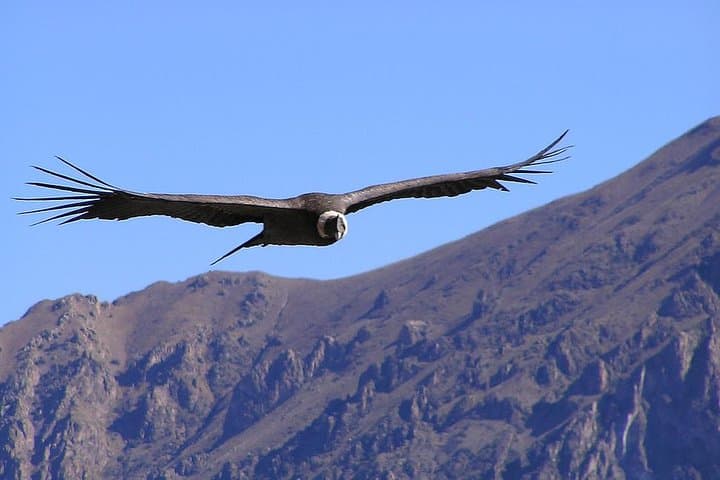
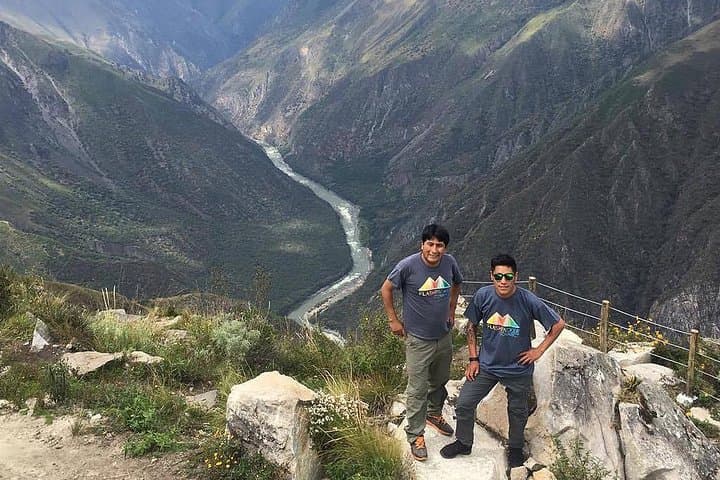
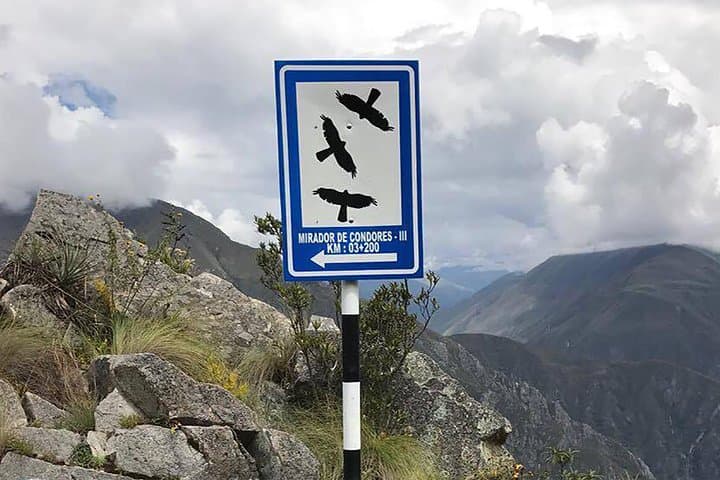
The van slips out of Cusco before dawn and the highland air bites as mountains etch themselves against a bruised sky. Long stretches of asphalt give way to hairpin dirt roads; coffee and the quiet of other passengers are your companions. By midmorning you reach the village walk-offs and begin a steady 1½‑hour climb to Hahuacco lookout, where the Apurimac canyon opens like a living gorge and the Andean condor makes its grand, effortless arcs above the cliffs.
Verified experiences and guided adventures in the surrounding area.
Operated by FlashpackerConnect LLC · Cusco, Cusco
The van slips out of Cusco before dawn and the highland air bites as mountains etch themselves against a bruised sky. Long stretches of asphalt give way to hairpin dirt roads; coffee and the quiet of other passengers are your companions. By midmorning you reach the village walk-offs and begin a steady 1½‑hour climb to Hahuacco lookout, where the Apurimac canyon opens like a living gorge and the Andean condor makes its grand, effortless arcs above the cliffs.
Geology here is blunt and old: the Apurimac has carved one of South America’s deepest canyons through Paleozoic and Mesozoic metamorphics, exposing steep talus slopes and wind-scraped ridgelines. The route threads Inca and pre-Inca sites—Killarumiyoc and Tarawasi—offering a compact lesson in Andean history and the agrarian Quechua communities that still steward these heights.
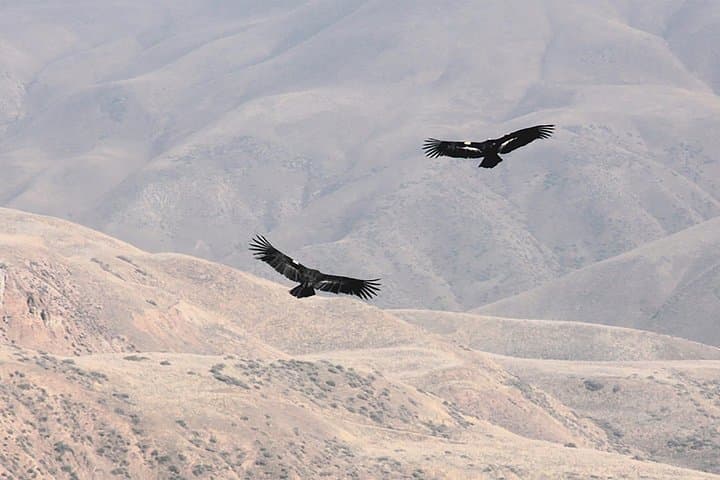
Condors are the attraction but the day is layered: interpretive stops about Inca stonework, a moderate uphill hike to the lookout, and a hot local lunch in Chonta. Expect thin air at 3,500–4,000 m; the birds use thermals and canyon winds that seem to dare you to keep up.
Practical guidance: proof the early pickup (2:15–2:45 AM) into your plan, dress in insulated layers for the cold morning and sun mid‑day, and bring water, snacks, and motion‑sickness remedies for the winding drive. A moderate level of fitness is required for the hike and descending return. With patience and the right light, watching condors wheel on canyon thermals is an unmistakable highland moment—wild, accessible, and grounded in local landscape and history.
moderate.
10–12 hours.
Should be comfortable walking uphill for 1.5 hours at high elevation; basic stamina required for uneven trails.
No—sightings are common but not guaranteed; condors rely on thermals and weather, so guides choose vantage points with the best odds.
Pickup is typically 2:15–2:45 AM to allow for the long drive, stops at viewpoints, and the mid‑morning hike when condors are most active.
Yes—spend at least one night in Cusco (3,300 m) before the trip to reduce altitude effects; bring medication if you’ve had prior issues.
Minimum age is usually 10 years; participants should have a moderate fitness level able to hike 1.5 hours uphill on rough terrain.
The route passes Inca and pre‑Inca sites—Killarumiyoc and Tarawasi—highlighting regional stonework and agricultural terraces that speak to centuries of Andean settlement.
Condor viewing supports local guides and community tourism; visitors should avoid feeding wildlife, stick to trails, and respect viewing distances to reduce stress on birds.
FlashpackerConnect LLC operates guided outdoor trips and adventures with an emphasis on safety, stewardship, and memorable experiences.
The van slips out of Cusco before dawn and the highland air bites as mountains etch themselves against a bruised sky. Long stretches of asphalt give way to hairpin dirt roads; coffee and the quiet of other passengers are your companions. By midmorning you reach the village walk-offs and begin a steady 1½‑hour climb to Hahuacco lookout, where the Apurimac canyon opens like a living gorge and the Andean condor makes its grand, effortless arcs above the cliffs.
The van slips out of Cusco before dawn and the highland air bites as mountains etch themselves against a bruised sky. Long stretches of asphalt give way to hairpin dirt roads; coffee and the quiet of other passengers are your companions. By midmorning you reach the village walk-offs and begin a steady 1½‑hour climb to Hahuacco lookout, where the Apurimac canyon opens like a living gorge and the Andean condor makes its grand, effortless arcs above the cliffs.
Geology here is blunt and old: the Apurimac has carved one of South America’s deepest canyons through Paleozoic and Mesozoic metamorphics, exposing steep talus slopes and wind-scraped ridgelines. The route threads Inca and pre-Inca sites—Killarumiyoc and Tarawasi—offering a compact lesson in Andean history and the agrarian Quechua communities that still steward these heights.
Condors are the attraction but the day is layered: interpretive stops about Inca stonework, a moderate uphill hike to the lookout, and a hot local lunch in Chonta. Expect thin air at 3,500–4,000 m; the birds use thermals and canyon winds that seem to dare you to keep up.
Practical guidance: proof the early pickup (2:15–2:45 AM) into your plan, dress in insulated layers for the cold morning and sun mid‑day, and bring water, snacks, and motion‑sickness remedies for the winding drive. A moderate level of fitness is required for the hike and descending return. With patience and the right light, watching condors wheel on canyon thermals is an unmistakable highland moment—wild, accessible, and grounded in local landscape and history.