THE ADVENTURE COLLECTIVE® · Independent discovery and booking for outdoor travel

Follow ancient paved Inca paths over high passes and through cloud forest on a 4-day trek from Kilometer 82 to Machu Picchu. This practical guide covers what to expect—altitude, terrain, permits—and how to prepare for the trail’s steep staircases and sunrise at the Sun Gate.
Follow ancient paved Inca paths over high passes and through cloud forest on a 4-day trek from Kilometer 82 to Machu Picchu. This practical guide covers what to expect—altitude, terrain, permits—and how to prepare for the trail’s steep staircases and sunrise at the Sun Gate.
The trail opens before dawn: a private transfer from Cusco slips down into the Sacred Valley and sunlight grazes stone terraces as hikers step onto original Inca paving at Kilometer 82. Packs settle, porters fall into rhythm, and the path climbs into cloud forest; the air thins and the stones remember footsteps from centuries past.
Verified experiences and guided adventures in the surrounding area.
Operated by Action Peru Treks · Cusco, Cusco
The trail opens before dawn: a private transfer from Cusco slips down into the Sacred Valley and sunlight grazes stone terraces as hikers step onto original Inca paving at Kilometer 82. Packs settle, porters fall into rhythm, and the path climbs into cloud forest; the air thins and the stones remember footsteps from centuries past.
This four-day route follows roughly 43 km of ancient caminos, rising from about 2,700 m to the high point at Dead Woman’s Pass (4,215 m) before threading down through cloud forest to Machu Picchu. Geology here is a layered story of uplifted Andean ranges and glacial polishing that carved the steep valleys; Inca engineers harnessed terraces and drainage to farm the slopes. Hiram Bingham’s early 20th-century explorations reintroduced many of these sites to modern visitors, but the trail itself is part of a much older imperial road system and still contains strategic ruins—Phuyupatamarca, Wiñay Wayna, Sayacmarca—each with solar alignments, terraces, and stairways.
Practically: expect steep stone staircases, long ascents and descents, and wide temperature swings. Permits are limited—book months ahead. Acclimatize in Cusco for 48–72 hours if possible; hydrate and pace your ascent. The operator provides tents, mattresses, cooks and porters, but bring a warm sleeping bag, layered clothing, rain protection, and sturdy boots. Sunrise at the Sun Gate is the payoff: the citadel appears as the clouds lift, a quiet moment earned after a demanding, unforgettable route.
challenging.
4 days.
Good aerobic fitness and experience with sustained hiking at altitude; comfortable with long days and steep stone staircases.
Yes. Permits are limited daily and issued by the Peruvian government; you must book through an authorized tour operator who secures your permit and entrance ticket.
Spend at least 48 hours in Cusco or the Sacred Valley before the trek, avoid heavy exertion the day before, hydrate, and consider acetazolamide after consulting your physician.
This trip includes camping tents, mattresses, three meals per day on trek, and support staff (cooks and porters) as listed by the operator.
Camps use basic camp toilets; some archaeological sites have no facilities. Aguas Calientes and Machu Picchu have proper restrooms after exiting the trail.
The Inca Trail was part of the vast Qhapaq Ñan road network connecting administrative centers and sacred sites; Hiram Bingham’s early 20th-century explorations reintroduced many ruins to modern archaeology.
Visitor numbers are regulated and operators must follow strict rules—carry out trash, stick to designated paths, and respect archaeological features to limit erosion and cultural damage.
Action Peru Treks operates guided outdoor trips and adventures with an emphasis on safety, stewardship, and memorable experiences.
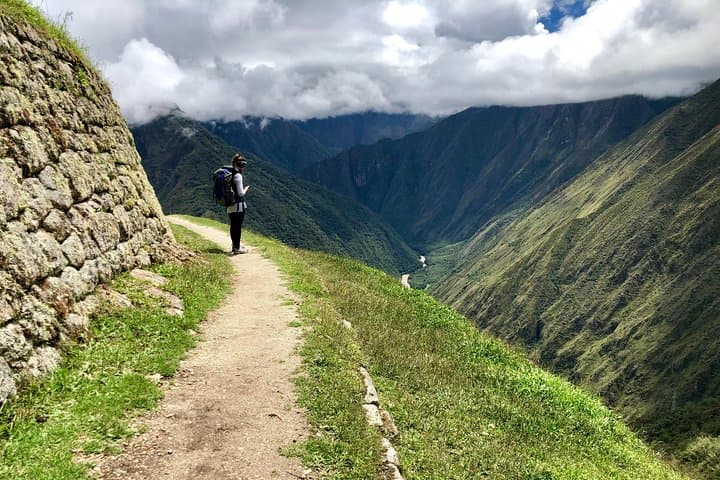
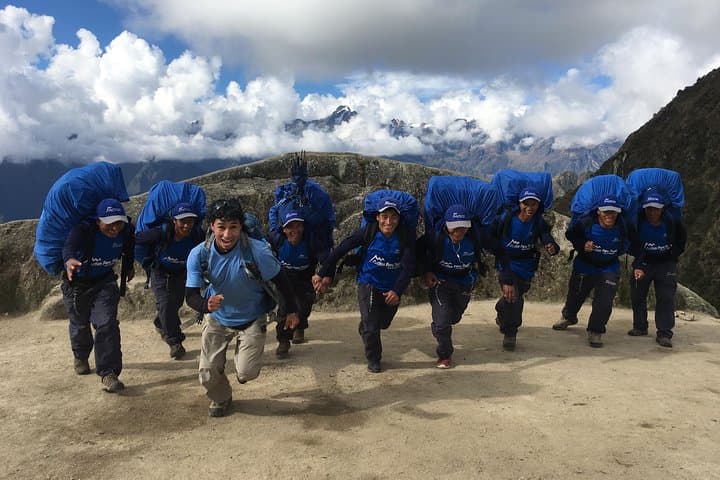
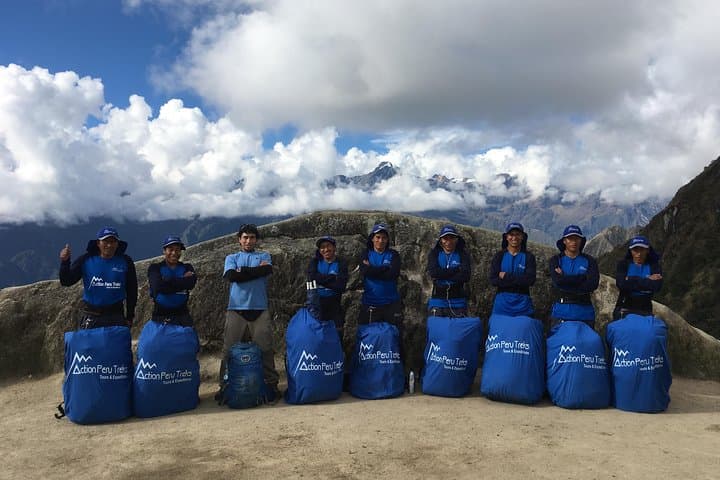
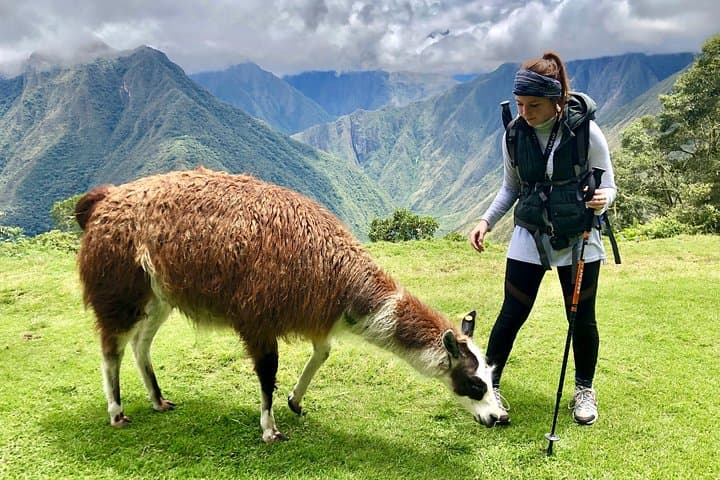
The trail opens before dawn: a private transfer from Cusco slips down into the Sacred Valley and sunlight grazes stone terraces as hikers step onto original Inca paving at Kilometer 82. Packs settle, porters fall into rhythm, and the path climbs into cloud forest; the air thins and the stones remember footsteps from centuries past.
The trail opens before dawn: a private transfer from Cusco slips down into the Sacred Valley and sunlight grazes stone terraces as hikers step onto original Inca paving at Kilometer 82. Packs settle, porters fall into rhythm, and the path climbs into cloud forest; the air thins and the stones remember footsteps from centuries past.
This four-day route follows roughly 43 km of ancient caminos, rising from about 2,700 m to the high point at Dead Woman’s Pass (4,215 m) before threading down through cloud forest to Machu Picchu. Geology here is a layered story of uplifted Andean ranges and glacial polishing that carved the steep valleys; Inca engineers harnessed terraces and drainage to farm the slopes. Hiram Bingham’s early 20th-century explorations reintroduced many of these sites to modern visitors, but the trail itself is part of a much older imperial road system and still contains strategic ruins—Phuyupatamarca, Wiñay Wayna, Sayacmarca—each with solar alignments, terraces, and stairways.
Practically: expect steep stone staircases, long ascents and descents, and wide temperature swings. Permits are limited—book months ahead. Acclimatize in Cusco for 48–72 hours if possible; hydrate and pace your ascent. The operator provides tents, mattresses, cooks and porters, but bring a warm sleeping bag, layered clothing, rain protection, and sturdy boots. Sunrise at the Sun Gate is the payoff: the citadel appears as the clouds lift, a quiet moment earned after a demanding, unforgettable route.