THE ADVENTURE COLLECTIVE® · Independent discovery and booking for outdoor travel

A four-day, 45 km trek that follows ancient stonework through cloud forest, puna, and archaeological sites—culminating at Machu Picchu’s Sun Gate. Expect steep stone staircases, high-altitude climbs, and camping under experienced guides.
A four-day, 45 km trek that follows ancient stonework through cloud forest, puna, and archaeological sites—culminating at Machu Picchu’s Sun Gate. Expect steep stone staircases, high-altitude climbs, and camping under experienced guides.
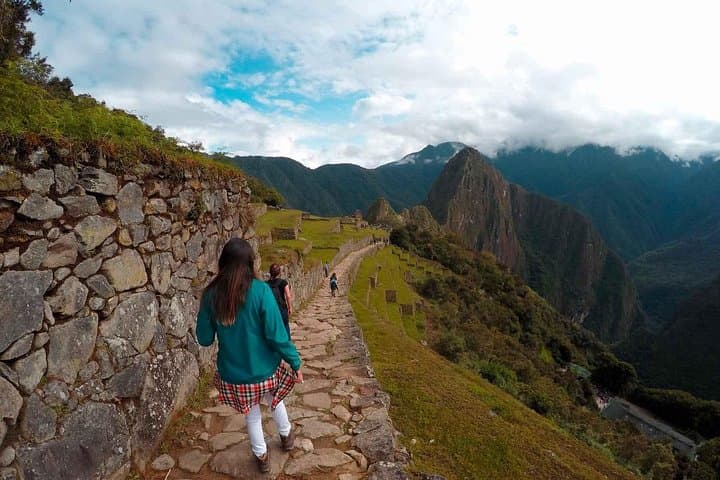
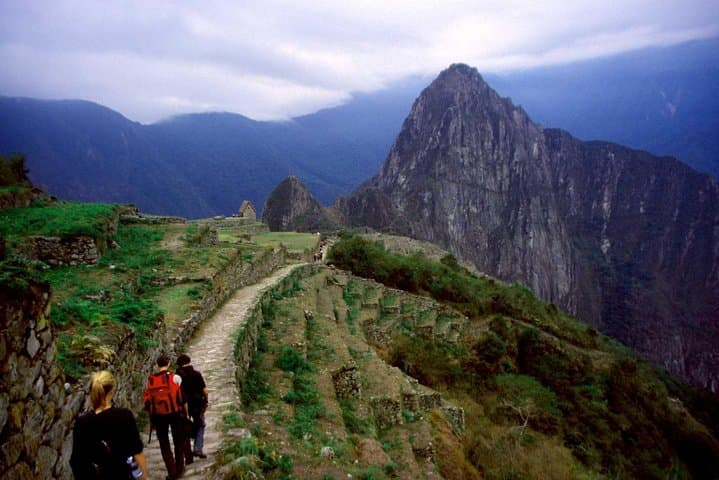
You step onto the trail at Km 82 with the railway huffing behind you and the cloud forest ahead—moss-draped stones climbing into the mist. The path tucks and rises, Inca steps worn by centuries, and every crest teases a new ruin or valley view.
Verified experiences and guided adventures in the surrounding area.
Operated by Eco Tour Cusco · Cusco, Cusco Region
You step onto the trail at Km 82 with the railway huffing behind you and the cloud forest ahead—moss-draped stones climbing into the mist. The path tucks and rises, Inca steps worn by centuries, and every crest teases a new ruin or valley view.
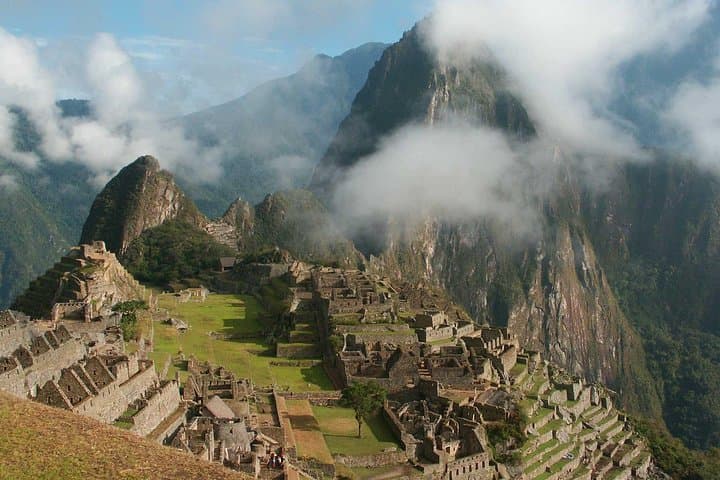
This is the Classic Inca Trail, a 45 km, four-day route that threads ecological zones from high puna to subtropical cloud forest before delivering you to the Sun Gate and Machu Picchu. The route follows pre-Columbian stonework and passes multiple archaeological sites; geology shifts from volcanic highlands to eroded sandstone and steep river-cut gorges. Local Quechua communities maintain living ties to this landscape—herding llamas, tending terraces, and keeping oral histories tied to the trail.
Expect long ascents (one day contains sustained climbs exceeding 600–900 m), narrow stone staircases, and wet, slippery sections in the forest. Nights are in expedition camps with foam mattresses and communal dining tents; porters carry heavy equipment so you can focus on pacing and altitude. Guides provide cultural context at ruins and run safety briefings; permits limit group size so the route never feels crowded like a highway.
Practical notes: acclimatize in Cusco for 2–3 days, carry a 30–35L pack for personal items, and plan for temperature swings—frost at dawn to hot midday. Hydrate steadily, use layered clothing, and practice power-hiking on stairs before departure. If you reach Inti Punku at sunrise, the ruins will open like a reward earned by your legs and patience.
challenging.
4 days (approx. 45 km).
Good aerobic fitness with stair-climbing endurance; ability to carry a daypack on sustained uphill and downhill terrain.
Yes—permits are limited and tied to guided groups; a licensed operator secures them in advance.
It’s manageable with preparation, but multiple long climbs and high altitude make it challenging for those without prior hiking experience.
Yes—operators provide porters who carry tents, food, and communal gear; personal porter options are often available for an extra fee.
Dry season (May–September) offers more stable weather and clearer views, though shoulder months can work with fewer crowds.
The trail is part of the Inca road network connecting Cusco to the upper Amazon and was used for administrative, religious, and military movement during the Inca Empire.
Permit limits and regulated camping aim to reduce erosion and cultural impact; stick to trails and pack out waste to protect fragile highland ecosystems.
Eco Tour Cusco operates guided outdoor trips and adventures with an emphasis on safety, stewardship, and memorable experiences.
You step onto the trail at Km 82 with the railway huffing behind you and the cloud forest ahead—moss-draped stones climbing into the mist. The path tucks and rises, Inca steps worn by centuries, and every crest teases a new ruin or valley view.
You step onto the trail at Km 82 with the railway huffing behind you and the cloud forest ahead—moss-draped stones climbing into the mist. The path tucks and rises, Inca steps worn by centuries, and every crest teases a new ruin or valley view.
This is the Classic Inca Trail, a 45 km, four-day route that threads ecological zones from high puna to subtropical cloud forest before delivering you to the Sun Gate and Machu Picchu. The route follows pre-Columbian stonework and passes multiple archaeological sites; geology shifts from volcanic highlands to eroded sandstone and steep river-cut gorges. Local Quechua communities maintain living ties to this landscape—herding llamas, tending terraces, and keeping oral histories tied to the trail.
Expect long ascents (one day contains sustained climbs exceeding 600–900 m), narrow stone staircases, and wet, slippery sections in the forest. Nights are in expedition camps with foam mattresses and communal dining tents; porters carry heavy equipment so you can focus on pacing and altitude. Guides provide cultural context at ruins and run safety briefings; permits limit group size so the route never feels crowded like a highway.
Practical notes: acclimatize in Cusco for 2–3 days, carry a 30–35L pack for personal items, and plan for temperature swings—frost at dawn to hot midday. Hydrate steadily, use layered clothing, and practice power-hiking on stairs before departure. If you reach Inti Punku at sunrise, the ruins will open like a reward earned by your legs and patience.