THE ADVENTURE COLLECTIVE® · Independent discovery and booking for outdoor travel

A four-day, 42 km hike that climbs to 4,216 m and ends at Machu Picchu’s Sun Gate. Expect rocky steps, cloud-forest, Inca ruins each day, guided camping and strict permit limits.
A four-day, 42 km hike that climbs to 4,216 m and ends at Machu Picchu’s Sun Gate. Expect rocky steps, cloud-forest, Inca ruins each day, guided camping and strict permit limits.
At first light the trail feels alive: mist slips off cloud-forest slopes, the pack-steps of porters set the rhythm, and the path rises toward a pass that crowns at 4,216 m. Over four days the Classic Inca Trail threads high puna, mossy stone stairways and carved terraces, delivering one final reveal at the Sun Gate — Machu Picchu unfolding below like a held breath.
Verified experiences and guided adventures in the surrounding area.
Operated by Vidal Expeditions · Cusco, Cusco Region
At first light the trail feels alive: mist slips off cloud-forest slopes, the pack-steps of porters set the rhythm, and the path rises toward a pass that crowns at 4,216 m. Over four days the Classic Inca Trail threads high puna, mossy stone stairways and carved terraces, delivering one final reveal at the Sun Gate — Machu Picchu unfolding below like a held breath.
The route follows paths engineered by the Incas to link settlements and sacred sites across rugged Andean geology; granite outcrops and volcanic soils feed the steep terracing you cross. Cultural markers — stone qullqas (storehouses), staircases carved into bedrock and remote shrines — appear between cloud-forest and puna grass. Hiram Bingham’s 20th-century ‘rediscovery’ amplified global interest, and today controlled permits limit daily hikers to protect fragile soils and archaeological fabric.
Practically, expect roughly 42 km total, camping each night in shared tent sites, three full days on trail and one morning at Machu Picchu. Day two gains to the high pass (4,216 m) and is the most strenuous; days three and four move through cloud-forest and terraces before the final descent through Inti Punku (Sun Gate). Meals, basic sleeping pads, porters and a bilingual guide are commonly included on organized treks. Train transfer from Aguas Calientes to Ollantaytambo takes about two hours.
Pack for variable weather, prioritize hydration and altitude acclimatization in Cusco beforehand, and book permits months ahead — spaces fill early in the dry season (May–September). The trail rewards early starts, steady pacing and time to read the stones.
challenging.
4 days.
Good cardiovascular fitness and prior multi-day trekking experience are recommended; acclimatization is essential.
Yes. The government issues a limited number of permits daily; they sell out months in advance, especially in the dry season.
The high pass reaches about 4,216 m and involves 4–6 hours of steep, sustained ascent; altitude and fitness determine perceived difficulty.
Most organized 4-day itineraries include porters to carry shared camp gear, a cook, and meals as listed; personal items are carried by you unless you hire a porter for extras.
May–September (dry season) offers the most stable weather and clearer views, but it's also the busiest—plan and book early.
The Inca Trail was an imperial route linking ceremonial centers and administrative sites; Machu Picchu rose in the 15th century and entered global awareness after early 20th-century explorations.
Peru limits daily permits to reduce erosion and protect archaeological sites; practice leave-no-trace, avoid single-use plastics and follow guide instructions.
Vidal Expeditions operates guided outdoor trips and adventures with an emphasis on safety, stewardship, and memorable experiences.
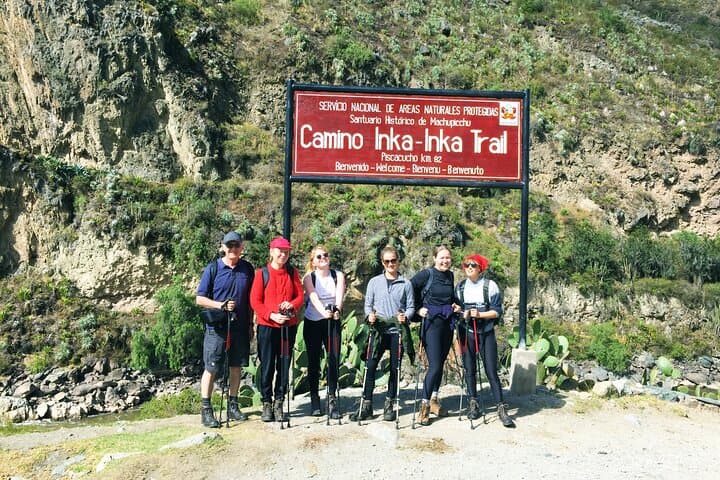
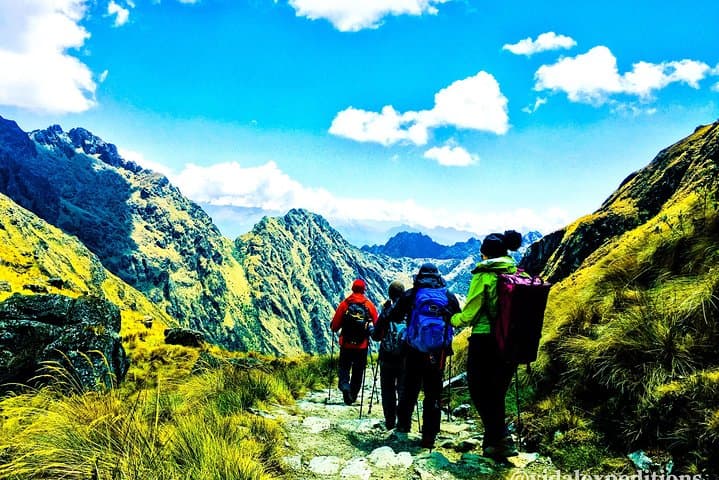
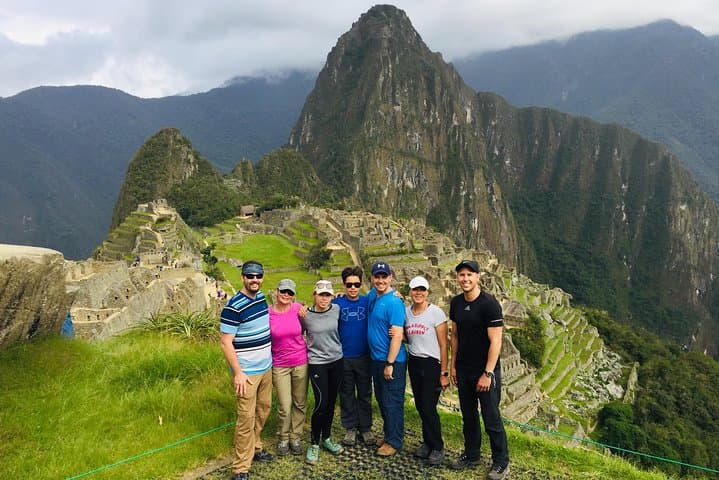
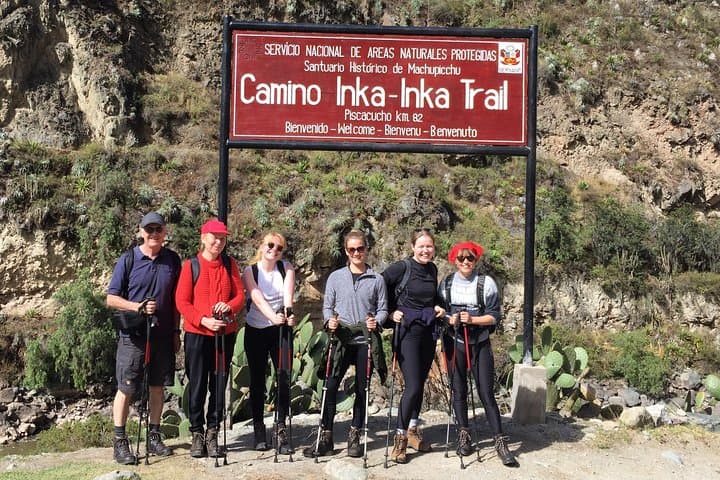
At first light the trail feels alive: mist slips off cloud-forest slopes, the pack-steps of porters set the rhythm, and the path rises toward a pass that crowns at 4,216 m. Over four days the Classic Inca Trail threads high puna, mossy stone stairways and carved terraces, delivering one final reveal at the Sun Gate — Machu Picchu unfolding below like a held breath.
At first light the trail feels alive: mist slips off cloud-forest slopes, the pack-steps of porters set the rhythm, and the path rises toward a pass that crowns at 4,216 m. Over four days the Classic Inca Trail threads high puna, mossy stone stairways and carved terraces, delivering one final reveal at the Sun Gate — Machu Picchu unfolding below like a held breath.
The route follows paths engineered by the Incas to link settlements and sacred sites across rugged Andean geology; granite outcrops and volcanic soils feed the steep terracing you cross. Cultural markers — stone qullqas (storehouses), staircases carved into bedrock and remote shrines — appear between cloud-forest and puna grass. Hiram Bingham’s 20th-century ‘rediscovery’ amplified global interest, and today controlled permits limit daily hikers to protect fragile soils and archaeological fabric.
Practically, expect roughly 42 km total, camping each night in shared tent sites, three full days on trail and one morning at Machu Picchu. Day two gains to the high pass (4,216 m) and is the most strenuous; days three and four move through cloud-forest and terraces before the final descent through Inti Punku (Sun Gate). Meals, basic sleeping pads, porters and a bilingual guide are commonly included on organized treks. Train transfer from Aguas Calientes to Ollantaytambo takes about two hours.
Pack for variable weather, prioritize hydration and altitude acclimatization in Cusco beforehand, and book permits months ahead — spaces fill early in the dry season (May–September). The trail rewards early starts, steady pacing and time to read the stones.