THE ADVENTURE COLLECTIVE® · Independent discovery and booking for outdoor travel

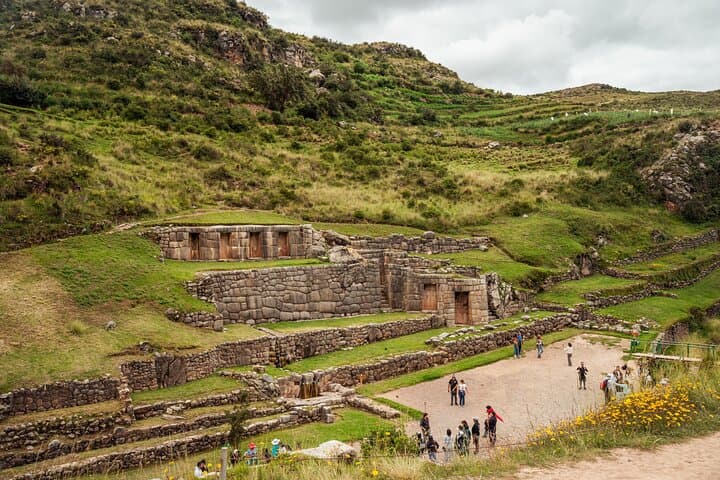
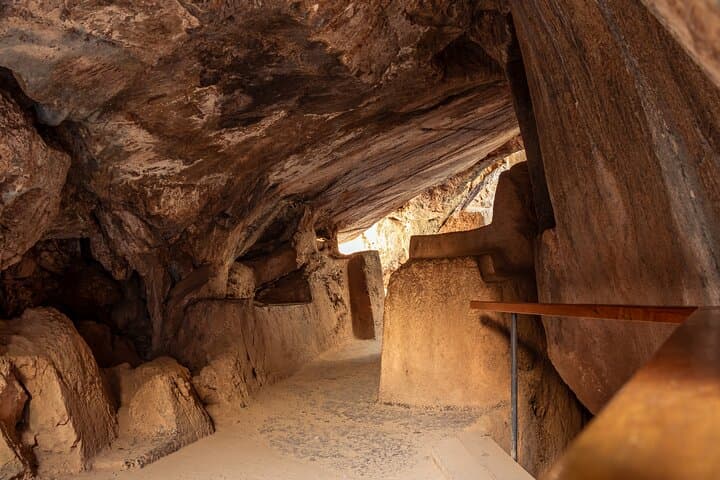
Walk the stones where empires met: a half-day guided circuit through Coricancha, Sacsayhuamán, Qenqo, Puca Pucara and Tambomachay. Practical tips on altitude, timing, and what to pack for a comfortable, illuminating visit.
Walk the stones where empires met: a half-day guided circuit through Coricancha, Sacsayhuamán, Qenqo, Puca Pucara and Tambomachay. Practical tips on altitude, timing, and what to pack for a comfortable, illuminating visit.
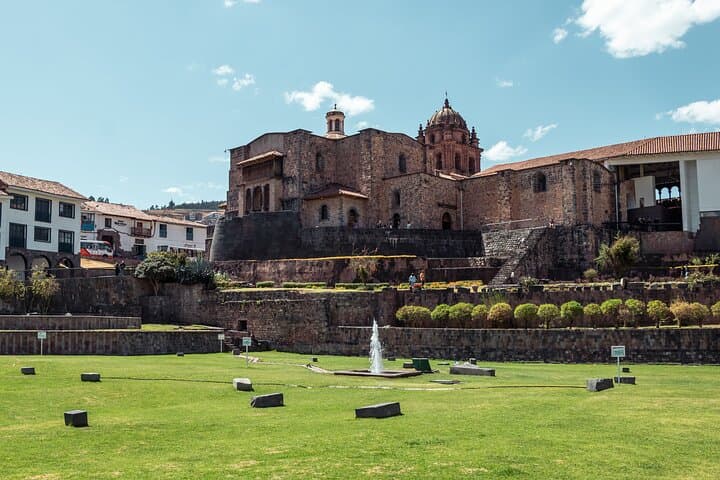
Morning light strips across the Plaza de Armas and the city exhales—a mix of wood smoke, fresh bread, and dust from centuries of footsteps. You begin at Coricancha, where stonework still fits so tightly it seems to hold its own secrets, then climb to Sacsayhuamán for wind-bent views that frame Cusco like a carved bowl.
Verified experiences and guided adventures in the surrounding area.
Operated by Machu Picchu Peru Tours · Cusco, Cusco
Morning light strips across the Plaza de Armas and the city exhales—a mix of wood smoke, fresh bread, and dust from centuries of footsteps. You begin at Coricancha, where stonework still fits so tightly it seems to hold its own secrets, then climb to Sacsayhuamán for wind-bent views that frame Cusco like a carved bowl.
This half-day route threads Inca ceremonial centers (Qenqo, Tambomachay) with Spanish-era plazas and colonial churches. Geologically the city sits high on the eastern slope of the Peruvian Andes at roughly 3,400 m, where glacial and tectonic forces have shaped steep ridgelines and the sandstone and andesite blocks the Incas reshaped into masonry. Culturally, Cusco is a living junction of Quechua traditions and colonial influences—expect artisan markets, ritual offerings at corners, and guides fluent in both history and local lore.
Practical notes: the tour covers uneven cobblestones, short steep steps, and several outdoor ruins; bring sun protection, water, and a light wind layer. Acclimatize the first day—walk slowly and sip water to lessen headaches at altitude. The tour typically includes a partial Boleto Turístico and hotel pickup in downtown Cusco; afternoon itineraries run sites in a different order to catch light and avoid crowds.
Timing matters—mornings are crisp, afternoons can be busy; wear grippy shoes for stone steps and leave room in your schedule to linger at viewpoints and markets. A local certified guide turns carved stone and colonial facades into a readable history that feels immediate, not museum-still.
easy.
5 hours.
Light walking ability—suitable for most people who can manage uneven cobbles and short stair sections; allow for slower pace at altitude.
Yes—the pace is moderate with stops, but those with mobility issues should check uneven surfaces; infants must sit on a lap per tour policy.
A partial Boleto Turístico is included for many sites on this itinerary; your guide will confirm which entrances are covered.
Expect several short climbs and 2–3 km of walking around ruins and viewpoints; most stops involve standing and short stair sections rather than long hikes.
Symptoms range from mild headache to nausea; acclimate slowly, hydrate, avoid heavy meals and consult a physician about preventive medication if concerned.
Cusco was the administrative and ceremonial heart of the Inca empire; Spanish colonial planners later built churches and plazas atop Inca foundations, creating the blended streetscape you see today.
High-Andean soils and archaeological sites are fragile—stay on marked paths, avoid touching carved masonry unnecessarily, and support certified local guides to reduce impact.
Machu Picchu Peru Tours operates guided outdoor trips and adventures with an emphasis on safety, stewardship, and memorable experiences.
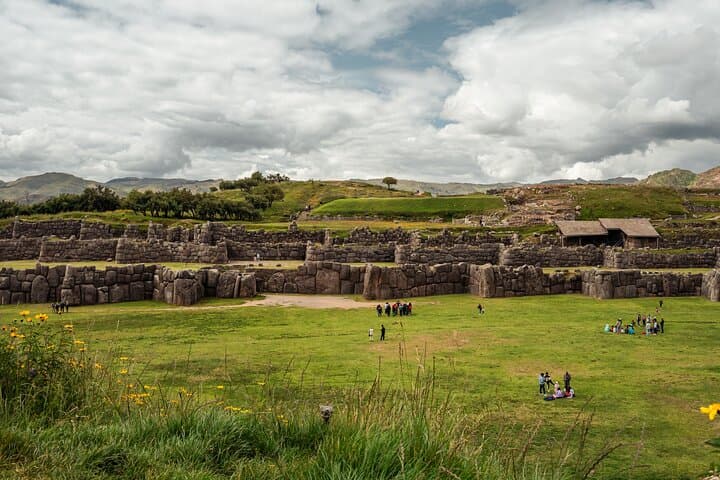
Morning light strips across the Plaza de Armas and the city exhales—a mix of wood smoke, fresh bread, and dust from centuries of footsteps. You begin at Coricancha, where stonework still fits so tightly it seems to hold its own secrets, then climb to Sacsayhuamán for wind-bent views that frame Cusco like a carved bowl.
Morning light strips across the Plaza de Armas and the city exhales—a mix of wood smoke, fresh bread, and dust from centuries of footsteps. You begin at Coricancha, where stonework still fits so tightly it seems to hold its own secrets, then climb to Sacsayhuamán for wind-bent views that frame Cusco like a carved bowl.
This half-day route threads Inca ceremonial centers (Qenqo, Tambomachay) with Spanish-era plazas and colonial churches. Geologically the city sits high on the eastern slope of the Peruvian Andes at roughly 3,400 m, where glacial and tectonic forces have shaped steep ridgelines and the sandstone and andesite blocks the Incas reshaped into masonry. Culturally, Cusco is a living junction of Quechua traditions and colonial influences—expect artisan markets, ritual offerings at corners, and guides fluent in both history and local lore.
Practical notes: the tour covers uneven cobblestones, short steep steps, and several outdoor ruins; bring sun protection, water, and a light wind layer. Acclimatize the first day—walk slowly and sip water to lessen headaches at altitude. The tour typically includes a partial Boleto Turístico and hotel pickup in downtown Cusco; afternoon itineraries run sites in a different order to catch light and avoid crowds.
Timing matters—mornings are crisp, afternoons can be busy; wear grippy shoes for stone steps and leave room in your schedule to linger at viewpoints and markets. A local certified guide turns carved stone and colonial facades into a readable history that feels immediate, not museum-still.