THE ADVENTURE COLLECTIVE® · Independent discovery and booking for outdoor travel

A half-day circuit from Cusco that pairs colonial plazas with Inca stonework—visit Koricancha and the Cathedral in town, then climb to Sacsayhuamán and the waterworks of Tambomachay. Practical for travelers acclimatizing to high altitude and eager to see multiple archaeological sites in one outing.
A half-day circuit from Cusco that pairs colonial plazas with Inca stonework—visit Koricancha and the Cathedral in town, then climb to Sacsayhuamán and the waterworks of Tambomachay. Practical for travelers acclimatizing to high altitude and eager to see multiple archaeological sites in one outing.
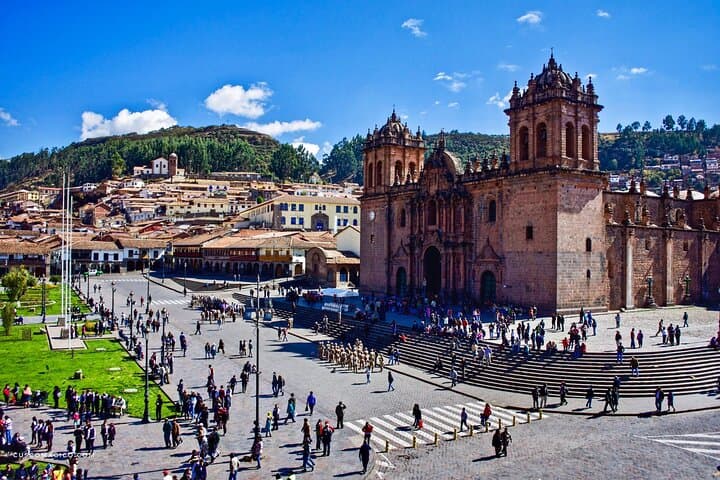
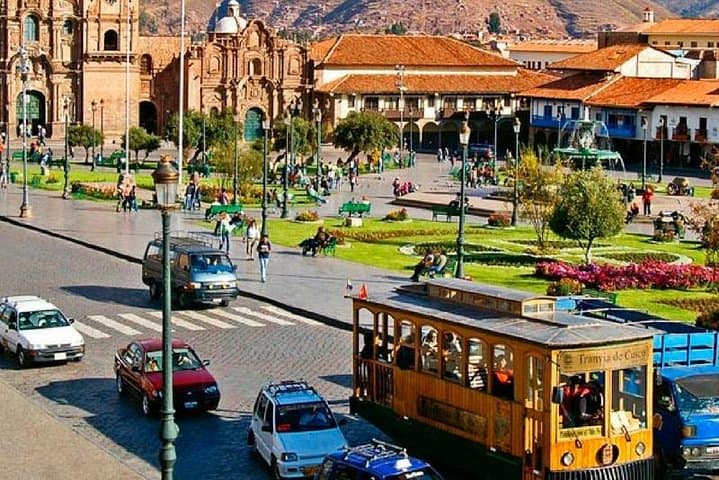
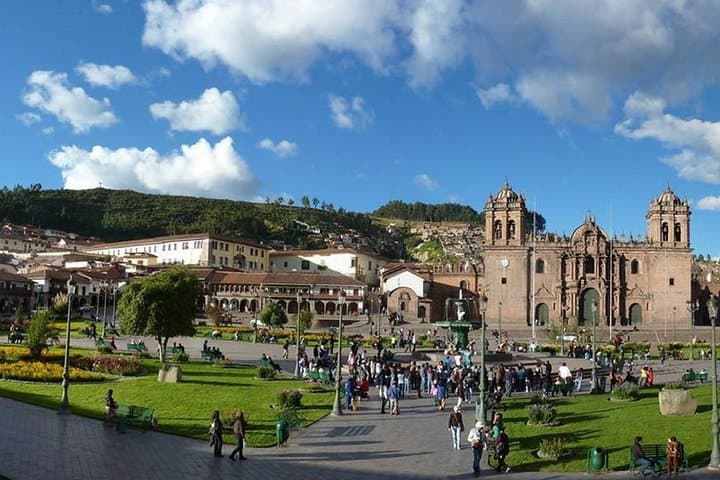
Cobblestones vibrate beneath the bus as it slides away from Plaza de Armas and the city’s red-tiled roofs shrink into a skyline of Andean ridges.
Verified experiences and guided adventures in the surrounding area.
Operated by Machupicchu Nice · Cusco, Cusco
Cobblestones vibrate beneath the bus as it slides away from Plaza de Armas and the city’s red-tiled roofs shrink into a skyline of Andean ridges.
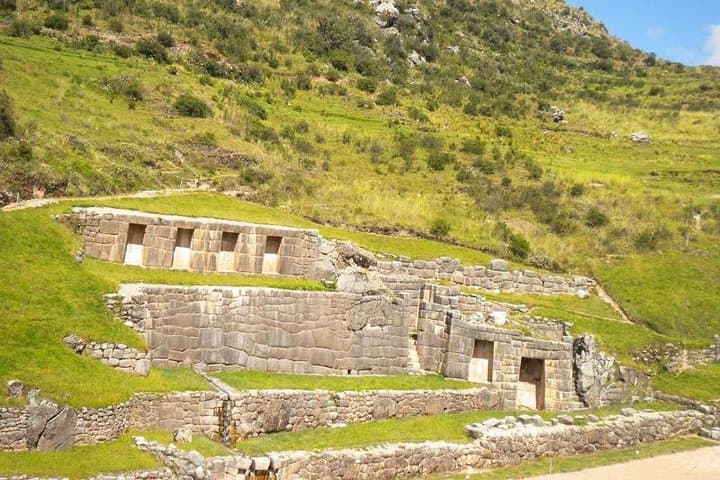
Passengers step from a tourist coach into high-altitude air and into a sequence of sites where Inca stonework and engineered watercourses still direct attention: the Cathedral and Koricancha in central Cusco, the vast terraces and megaliths of Sacsayhuamán, ritual shafts at Qenqo, the defensive lines of Puka Pukara, and the flowing aqueducts of Tambomachay. The landscape here is geological: folded volcanic and sedimentary layers carved by rivers and shaped by uplift, leaving broad valleys and steep terraces that the Incas read as both defense and devotion.
This is cultural archaeology on a human scale—walls turned without mortar, plazas that host Inti Raymi, and fountains that reflect a precise hydraulic knowledge. Local guides point out carved niches and channels while the wind moves through the stones, reminding visitors these sites remain part of a living city.
Practical notes: the tour runs about six hours with morning and afternoon departures; entrance fees to archaeological sites and the Cathedral are typically not included. Expect short walks on uneven stone, significant altitude (Cusco ~3,400 m), and variable weather—sun, wind, and sudden showers can arrive in a single afternoon. Bring water, sun protection, layered clothing, and small change for museum or site tickets. The tour is accessible for most fitness levels but allow time to acclimatize; move deliberately on steep steps and never underestimate the slow burn of altitude.
easy.
6 hours.
Suitable for travelers in average physical condition; expect short uphill walks and uneven surfaces at high altitude.
Most site admissions (Cathedral, Sacsayhuamán, museums) are not included—bring local currency or confirm options with the operator.
The operator lists the tour as wheelchair accessible, but some historic sites have uneven surfaces and limited ramps; check specifics with your guide in advance.
There are daily morning and afternoon departures; the tour is roughly six hours, typically returning in the early evening depending on pickup time.
Allow 24–48 hours in Cusco before strenuous activity, hydrate, avoid heavy meals and alcohol, and consider coca tea or consulting a physician about medication if you’re prone to altitude issues.
Cusco was the political and spiritual capital of the Inca Empire; Koricancha served as the Temple of the Sun and later had colonial structures built atop its stone foundations.
Heavy foot traffic and tourism infrastructure stress fragile stonework and water features—stick to marked paths, avoid climbing ruins, and follow guide instructions to help preserve sites.
Machupicchu Nice operates guided outdoor trips and adventures with an emphasis on safety, stewardship, and memorable experiences.
Cobblestones vibrate beneath the bus as it slides away from Plaza de Armas and the city’s red-tiled roofs shrink into a skyline of Andean ridges.
Cobblestones vibrate beneath the bus as it slides away from Plaza de Armas and the city’s red-tiled roofs shrink into a skyline of Andean ridges.
Passengers step from a tourist coach into high-altitude air and into a sequence of sites where Inca stonework and engineered watercourses still direct attention: the Cathedral and Koricancha in central Cusco, the vast terraces and megaliths of Sacsayhuamán, ritual shafts at Qenqo, the defensive lines of Puka Pukara, and the flowing aqueducts of Tambomachay. The landscape here is geological: folded volcanic and sedimentary layers carved by rivers and shaped by uplift, leaving broad valleys and steep terraces that the Incas read as both defense and devotion.
This is cultural archaeology on a human scale—walls turned without mortar, plazas that host Inti Raymi, and fountains that reflect a precise hydraulic knowledge. Local guides point out carved niches and channels while the wind moves through the stones, reminding visitors these sites remain part of a living city.
Practical notes: the tour runs about six hours with morning and afternoon departures; entrance fees to archaeological sites and the Cathedral are typically not included. Expect short walks on uneven stone, significant altitude (Cusco ~3,400 m), and variable weather—sun, wind, and sudden showers can arrive in a single afternoon. Bring water, sun protection, layered clothing, and small change for museum or site tickets. The tour is accessible for most fitness levels but allow time to acclimatize; move deliberately on steep steps and never underestimate the slow burn of altitude.