THE ADVENTURE COLLECTIVE® · Independent discovery and booking for outdoor travel

Walk the heart of the Inca capital on a half-day circuit from Qoricancha to Sacsayhuaman. This city tour pairs dramatic stonework and living culture with practical acclimatization for the high Andes.
Walk the heart of the Inca capital on a half-day circuit from Qoricancha to Sacsayhuaman. This city tour pairs dramatic stonework and living culture with practical acclimatization for the high Andes.
You step off the minivan into a thin, dry air that seems to sharpen every edge of the stone around you. Cobblestone streets slope toward the Plaza de Armas; above, terraces and massive carved blocks keep watch like patient giants. The City Tour of Cusco moves at a steady, considered pace—short walks between sites, long moments at viewpoints where the city and the high Andes meet.
Verified experiences and guided adventures in the surrounding area.
Operated by Palomino TAXI TOUR · Cusco, Cusco
You step off the minivan into a thin, dry air that seems to sharpen every edge of the stone around you. Cobblestone streets slope toward the Plaza de Armas; above, terraces and massive carved blocks keep watch like patient giants. The City Tour of Cusco moves at a steady, considered pace—short walks between sites, long moments at viewpoints where the city and the high Andes meet.
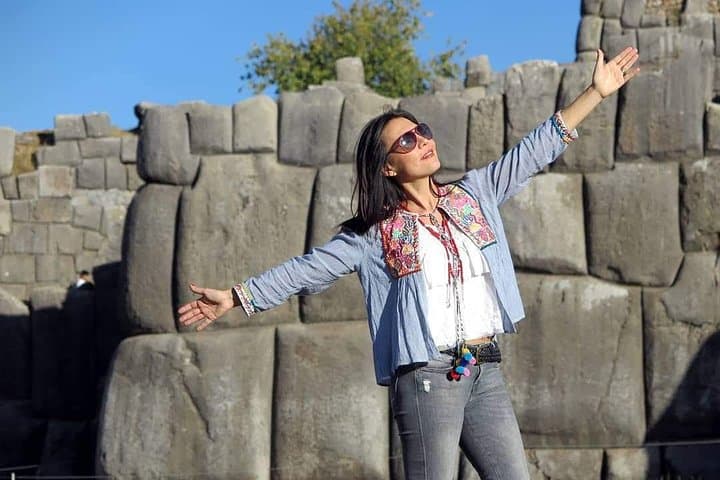
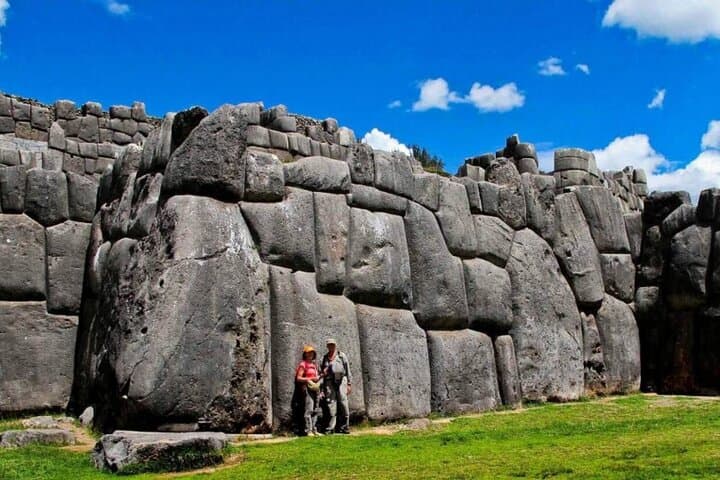
Start at Qoricancha, once the Inca sun temple, where finely cut stone meets Spanish masonry in a visible dialogue of conquest and adaptation. Sacsayhuaman follows: blocks weighing up to 200 tons fitted without mortar, their geometry and seismic resilience a lesson in ancient engineering. Qenqo’s carved amphitheater and rock channels lay out rituals of offering; Pucapucara reveals Inca control points along the route to the Sacred Valley; Tambomachay’s carved water channels still whisper of ceremonial baths and hydraulic skill.
Geology here is both tool and stage—andesitic bedrock quarried and sculpted into temples, terraces and fortifications that weather wind and altitude. Culturally, the tour traces how the Inca city was reworked under Spanish rule: churches built atop foundations that once faced sunrise.
Practical guidance: the loop takes about 5–6 hours with transport and pauses; expect walking on uneven cobbles and short uphill sections at 3,400+ meters (11,150 ft). Do this on your first day to acclimate, move deliberately, sip water, and wear sturdy shoes and layers. Bring small bills for local admissions or donations, and keep a hand free for taking in vistas—the city often rewards those who slow down.
easy.
5–6 hours.
Minimal fitness required for short walks; be prepared for altitude and some uphill cobblestone sections.
Yes—tourist transport between the archaeological sites is typically provided; expect short walks at each stop.
Often not—some ruins require a Boleto Turístico or separate entrance fee; carry small cash and check with your operator before the tour.
Infants can ride in strollers for parts of the city, but uneven terrain and steps at archaeological sites make carrying children or using a baby carrier more practical.
Yes—it's commonly recommended to do this tour early to help acclimatize, but move slowly and stay hydrated to reduce altitude effects.
Cusco was the administrative and spiritual center of the Inca Empire; Spanish colonists reused Inca foundations to build churches, creating visible layers of history.
Heavy foot traffic and weathering threaten fragile masonry; follow site rules, stay on marked paths and avoid touching carved faces to preserve them for future visitors.
Palomino TAXI TOUR operates guided outdoor trips and adventures with an emphasis on safety, stewardship, and memorable experiences.


You step off the minivan into a thin, dry air that seems to sharpen every edge of the stone around you. Cobblestone streets slope toward the Plaza de Armas; above, terraces and massive carved blocks keep watch like patient giants. The City Tour of Cusco moves at a steady, considered pace—short walks between sites, long moments at viewpoints where the city and the high Andes meet.
You step off the minivan into a thin, dry air that seems to sharpen every edge of the stone around you. Cobblestone streets slope toward the Plaza de Armas; above, terraces and massive carved blocks keep watch like patient giants. The City Tour of Cusco moves at a steady, considered pace—short walks between sites, long moments at viewpoints where the city and the high Andes meet.
Start at Qoricancha, once the Inca sun temple, where finely cut stone meets Spanish masonry in a visible dialogue of conquest and adaptation. Sacsayhuaman follows: blocks weighing up to 200 tons fitted without mortar, their geometry and seismic resilience a lesson in ancient engineering. Qenqo’s carved amphitheater and rock channels lay out rituals of offering; Pucapucara reveals Inca control points along the route to the Sacred Valley; Tambomachay’s carved water channels still whisper of ceremonial baths and hydraulic skill.
Geology here is both tool and stage—andesitic bedrock quarried and sculpted into temples, terraces and fortifications that weather wind and altitude. Culturally, the tour traces how the Inca city was reworked under Spanish rule: churches built atop foundations that once faced sunrise.
Practical guidance: the loop takes about 5–6 hours with transport and pauses; expect walking on uneven cobbles and short uphill sections at 3,400+ meters (11,150 ft). Do this on your first day to acclimate, move deliberately, sip water, and wear sturdy shoes and layers. Bring small bills for local admissions or donations, and keep a hand free for taking in vistas—the city often rewards those who slow down.