THE ADVENTURE COLLECTIVE® · Independent discovery and booking for outdoor travel

Spend a compact day in Cusco visiting Qoricancha and four nearby Inca ruins—Saqsaywaman, Qenqo, Pucapucara and Tambomachay. This guided tour blends clear historical context with practical logistics for a seven-hour cultural outing.
Spend a compact day in Cusco visiting Qoricancha and four nearby Inca ruins—Saqsaywaman, Qenqo, Pucapucara and Tambomachay. This guided tour blends clear historical context with practical logistics for a seven-hour cultural outing.
A thin morning light slides across Cusco's Plaza de Armas as the group gathers—backpacks tipped, cameras ready, and a guide who speaks of stone and ritual. The city hums: vendors arranging alpaca hats, traffic threading through colonial portals, and above it all the memory of the Inca shaping every street and terrace.
Verified experiences and guided adventures in the surrounding area.
Operated by MACHUPICCHU TOURIST CONNECTION · Cusco, Cusco
A thin morning light slides across Cusco's Plaza de Armas as the group gathers—backpacks tipped, cameras ready, and a guide who speaks of stone and ritual. The city hums: vendors arranging alpaca hats, traffic threading through colonial portals, and above it all the memory of the Inca shaping every street and terrace.
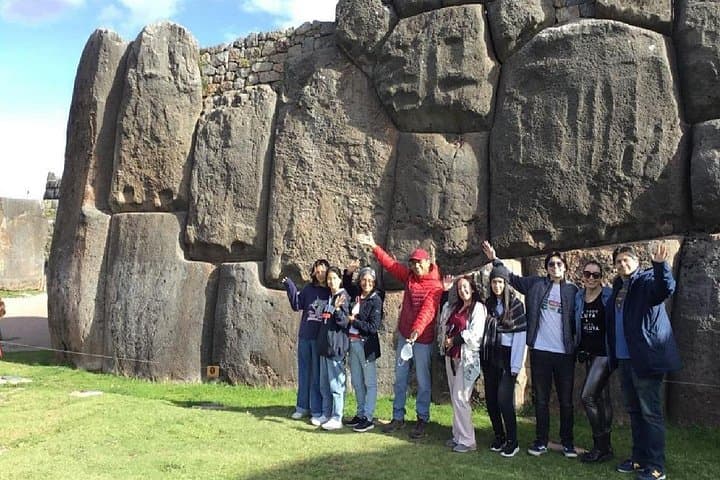
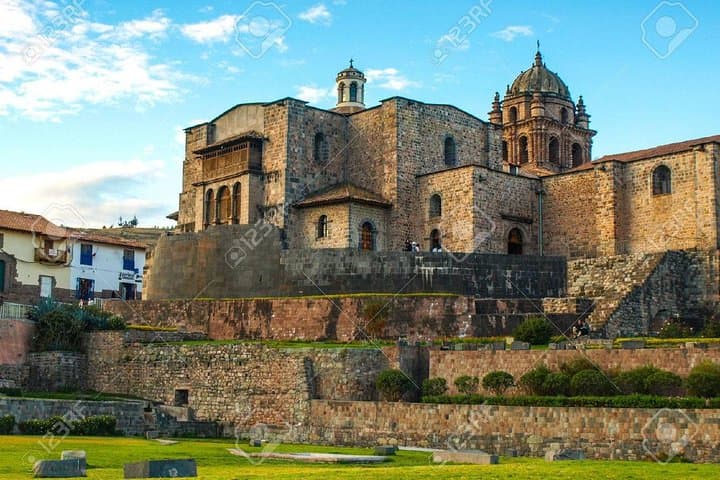
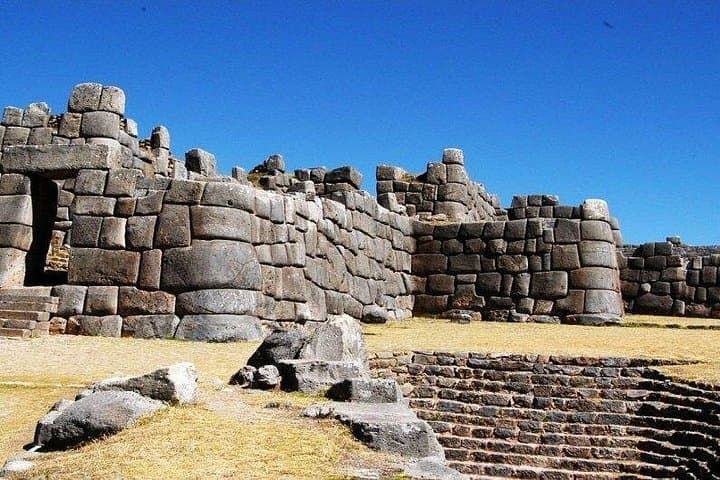
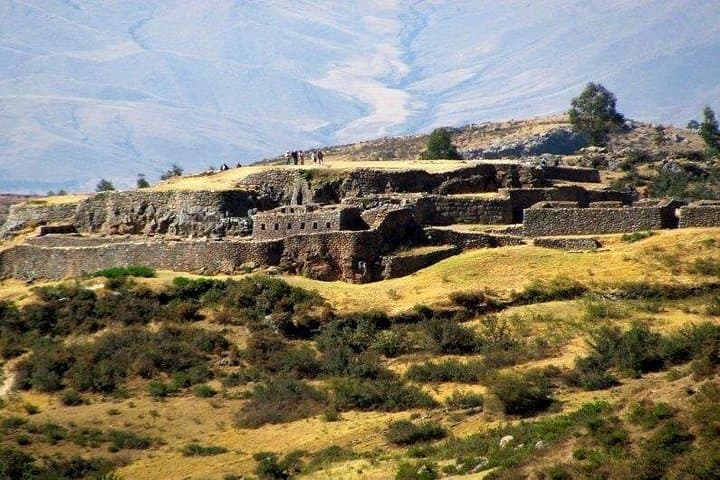
This full-day circuit moves from the Spanish-built cathedral and the gilded rooms of Qoricancha (the Temple of the Sun) to a short drive uphill where Saqsaywaman's massive masonry looks over the city like a watchful giant. The tour includes the clustered sites of Qenqo, Pucapucara and Tambomachay—each site a different dialogue between geology and engineering: carved outcrops, precisely fitted stones and water channels that still whisper about ritual and irrigation.
Cusco sits in a high Andean bowl at roughly 3,400 m (11,150 ft), so the shift from city streets to windy archaeological terraces is quick; the altitude shapes breath and pace as much as the steps underfoot. Guides interweave colonial history, Inca cosmology and practical logistics—how the Spanish repurposed Inca stone, why water was sacred at Tambomachay, and where the best vantage points are for a sweeping view of the city.
Practical guidance: expect about seven hours including transport between sites, short walks on uneven stone, and optional entry fees for some monuments (bring soles or card). Wear sturdy shoes, layer for sun and wind, carry water and a light rain layer; mornings are cool and afternoons can be strong and sunny. The day is organized and accessible for casual walkers, but pacing to altitude is the real consideration.
easy.
6–8 hours.
Suitable for travelers in average physical condition who can walk short uneven sections and tolerate high altitude; rest breaks included.
Some sites require a separate ticket (e.g., Cathedral, circuit ticket for Saqsaywaman/Qenqo/Pucapucara/Tambomachay); the tour description notes which admissions are optional—bring local currency or card where accepted.
Pickup is provided for hotels in the historic center; if outside that area the meeting point is the Plaza de Armas around the listed time—confirm your pickup when booking.
Cusco sits around 3,400 m; expect shortness of breath during climbs and stair sections—take it slow, hydrate, and notify the guide of any severe symptoms.
The tour is suitable for children who can walk short distances; many archaeological sites have uneven terrain and steps, so full wheelchair access is limited—contact the operator with specific needs.
Cusco was the capital of the Inca Empire; many colonial buildings were constructed atop finely cut Inca foundations, creating a visible overlap of cultures.
Visitors are encouraged to stick to marked paths and avoid touching fragile stonework; using refillable water bottles and supporting local craft cooperatives helps sustain the local economy and reduce waste.
MACHUPICCHU TOURIST CONNECTION operates guided outdoor trips and adventures with an emphasis on safety, stewardship, and memorable experiences.
A thin morning light slides across Cusco's Plaza de Armas as the group gathers—backpacks tipped, cameras ready, and a guide who speaks of stone and ritual. The city hums: vendors arranging alpaca hats, traffic threading through colonial portals, and above it all the memory of the Inca shaping every street and terrace.
A thin morning light slides across Cusco's Plaza de Armas as the group gathers—backpacks tipped, cameras ready, and a guide who speaks of stone and ritual. The city hums: vendors arranging alpaca hats, traffic threading through colonial portals, and above it all the memory of the Inca shaping every street and terrace.
This full-day circuit moves from the Spanish-built cathedral and the gilded rooms of Qoricancha (the Temple of the Sun) to a short drive uphill where Saqsaywaman's massive masonry looks over the city like a watchful giant. The tour includes the clustered sites of Qenqo, Pucapucara and Tambomachay—each site a different dialogue between geology and engineering: carved outcrops, precisely fitted stones and water channels that still whisper about ritual and irrigation.
Cusco sits in a high Andean bowl at roughly 3,400 m (11,150 ft), so the shift from city streets to windy archaeological terraces is quick; the altitude shapes breath and pace as much as the steps underfoot. Guides interweave colonial history, Inca cosmology and practical logistics—how the Spanish repurposed Inca stone, why water was sacred at Tambomachay, and where the best vantage points are for a sweeping view of the city.
Practical guidance: expect about seven hours including transport between sites, short walks on uneven stone, and optional entry fees for some monuments (bring soles or card). Wear sturdy shoes, layer for sun and wind, carry water and a light rain layer; mornings are cool and afternoons can be strong and sunny. The day is organized and accessible for casual walkers, but pacing to altitude is the real consideration.