THE ADVENTURE COLLECTIVE® · Independent discovery and booking for outdoor travel

Walk the plaza and alleyways of Cusco with a guide who explains how Inca masonry and Spanish baroque coexist. This 4.5-hour city tour covers Qoricancha, the Cathedral and key historic sights with entrance tickets bought during the tour.
Walk the plaza and alleyways of Cusco with a guide who explains how Inca masonry and Spanish baroque coexist. This 4.5-hour city tour covers Qoricancha, the Cathedral and key historic sights with entrance tickets bought during the tour.
You step out onto the broad stones of the Plaza de Armas and the cold highland air hits like a wake-up call — sunlight on ochre facades, vendors arranging alpaca shawls, and the cathedral’s baroque silhouette cutting a clean line against sky.
Verified experiences and guided adventures in the surrounding area.
Operated by Tayra Tours Adventures · Cusco, Cusco
You step out onto the broad stones of the Plaza de Armas and the cold highland air hits like a wake-up call — sunlight on ochre facades, vendors arranging alpaca shawls, and the cathedral’s baroque silhouette cutting a clean line against sky.
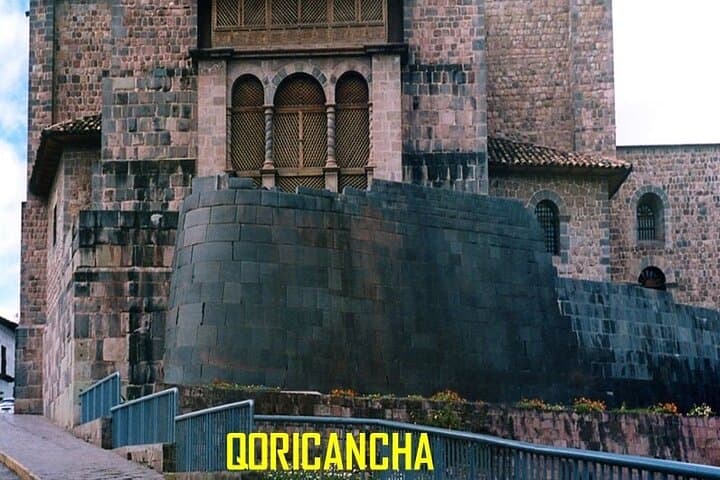
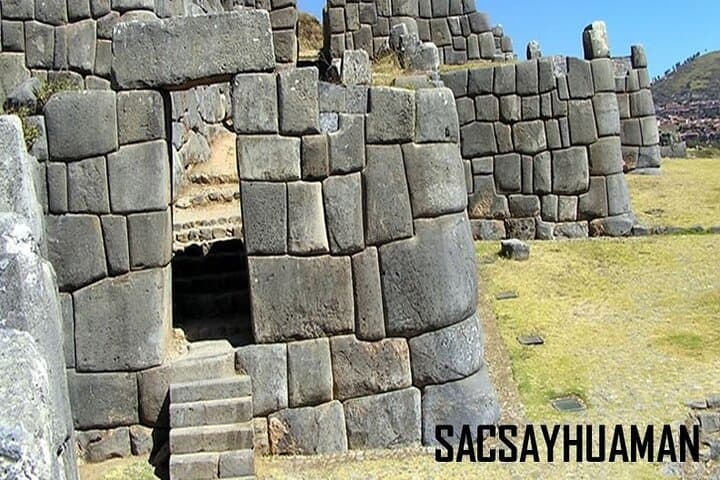
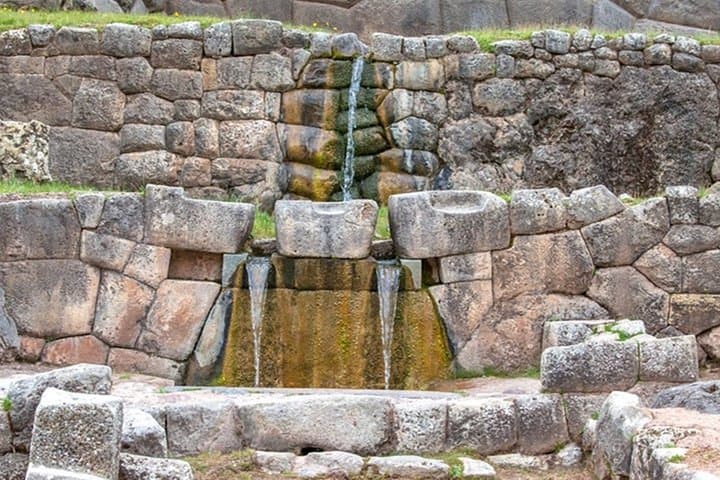
This four-and-a-half-hour guided city tour threads through colonial churches built atop Inca foundations, the gold-leafed Qoricancha (Temple of the Sun), and narrow streets where Spanish architecture sits squarely on pre-Columbian masonry. Geologically, Cusco rests in a bowl of Andean uplift; the city’s carved stones and terraces were quarried from nearby volcanic and metamorphic rock, then fitted with an accuracy that still draws study.
Culturally, expect layered stories: Catholic processions meet Quechua rites, and local artisans continue painting Cuzco School canvases and weaving with traditional dyes. Guides typically purchase entrance tickets on the first stop (estimate: Qoricancha ~15 PEN, Cathedral ~25 PEN, other sites ~70 PEN for partial combo) — bring small bills in soles.
Practical guidance: the city sits around 3,400 m (11,200 ft), so drink water, move slowly, and spend a day acclimatizing if coming from sea level. Wear comfortable walking shoes—the route is mostly paved but uneven—and a sun hat; UV is strong. The tour uses an air-conditioned vehicle for transfers and is wheelchair- and stroller-accessible in many sections, though some stone streets are bumpy.
Timing matters: mornings are clearer in the dry season (May–Sept); afternoons fill with clouds in the rainy months. Bring cash, a light shell for showers, and a curiosity for the layered history underfoot.
easy.
4–5 hours.
Suitable for general fitness; ability to walk short distances on uneven cobbles required
No; the guide typically purchases tickets during the first visit. Expect to pay roughly 15 PEN for Qoricancha and 25 PEN for the Cathedral, plus any additional site fees (around a 70 PEN partial pass at times).
Many parts are wheelchair- and stroller-accessible, but some historic streets have uneven cobbles—check with the operator about specific access needs.
Allow time to acclimatize, drink water, avoid alcohol before the tour, eat lightly, and communicate any concerns to your guide immediately.
Cusco was the capital of the Inca Empire; Spanish colonizers repurposed its temples and streets, creating the layered archaeological and architectural footprints you see today.
Tourism pressures and urban development stress fragile colonial and Inca structures; stick to marked paths, avoid climbing on ruins, and support local guides and small businesses.
Tayra Tours Adventures operates guided outdoor trips and adventures with an emphasis on safety, stewardship, and memorable experiences.
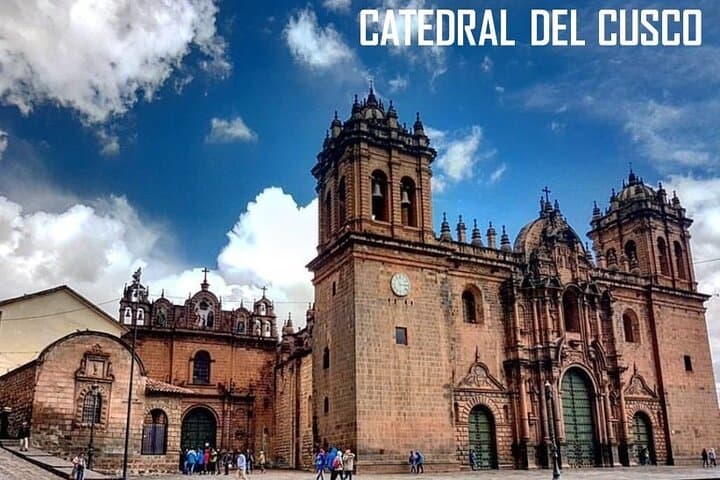
You step out onto the broad stones of the Plaza de Armas and the cold highland air hits like a wake-up call — sunlight on ochre facades, vendors arranging alpaca shawls, and the cathedral’s baroque silhouette cutting a clean line against sky.
You step out onto the broad stones of the Plaza de Armas and the cold highland air hits like a wake-up call — sunlight on ochre facades, vendors arranging alpaca shawls, and the cathedral’s baroque silhouette cutting a clean line against sky.
This four-and-a-half-hour guided city tour threads through colonial churches built atop Inca foundations, the gold-leafed Qoricancha (Temple of the Sun), and narrow streets where Spanish architecture sits squarely on pre-Columbian masonry. Geologically, Cusco rests in a bowl of Andean uplift; the city’s carved stones and terraces were quarried from nearby volcanic and metamorphic rock, then fitted with an accuracy that still draws study.
Culturally, expect layered stories: Catholic processions meet Quechua rites, and local artisans continue painting Cuzco School canvases and weaving with traditional dyes. Guides typically purchase entrance tickets on the first stop (estimate: Qoricancha ~15 PEN, Cathedral ~25 PEN, other sites ~70 PEN for partial combo) — bring small bills in soles.
Practical guidance: the city sits around 3,400 m (11,200 ft), so drink water, move slowly, and spend a day acclimatizing if coming from sea level. Wear comfortable walking shoes—the route is mostly paved but uneven—and a sun hat; UV is strong. The tour uses an air-conditioned vehicle for transfers and is wheelchair- and stroller-accessible in many sections, though some stone streets are bumpy.
Timing matters: mornings are clearer in the dry season (May–Sept); afternoons fill with clouds in the rainy months. Bring cash, a light shell for showers, and a curiosity for the layered history underfoot.