THE ADVENTURE COLLECTIVE® · Independent discovery and booking for outdoor travel

Walk Cusco’s Inca foundations and colonial heart on a focused 4–5 hour tour that visits Koricancha, Saqsayhuamán, Qenqo, Pukapukara and Tambomachay, with a stop at the South American Camelid Museum. Expect cobbles, altitude and rich cultural context.
Walk Cusco’s Inca foundations and colonial heart on a focused 4–5 hour tour that visits Koricancha, Saqsayhuamán, Qenqo, Pukapukara and Tambomachay, with a stop at the South American Camelid Museum. Expect cobbles, altitude and rich cultural context.
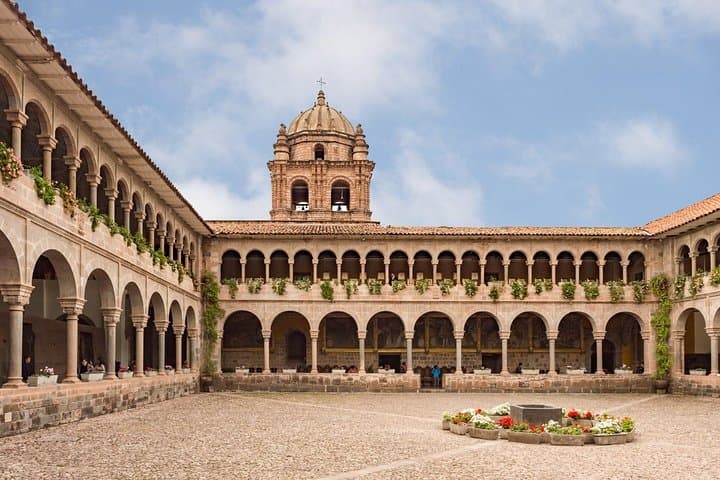
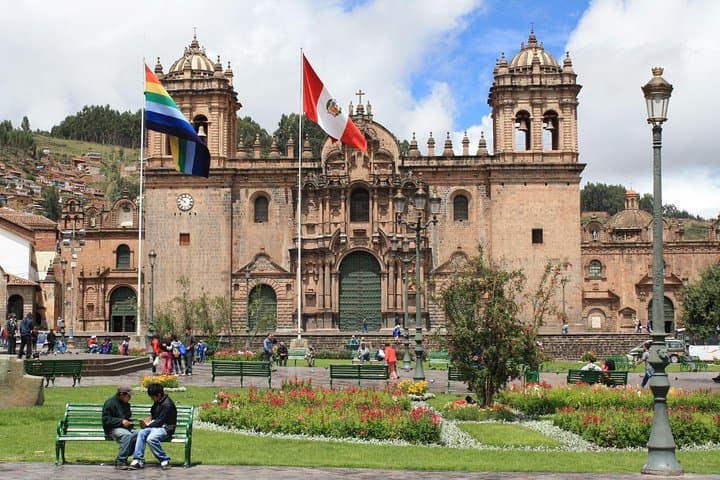
You step out onto the Plaza de Armas and the city exhales—cobblestones, church bells and the breathy altitude that reminds you you are above 3,300 meters. The morning light sketches Inca walls in hard relief as your guide leads you toward Koricancha, the Temple of the Sun, where carved stones lock together without mortar and the past presses close.
Verified experiences and guided adventures in the surrounding area.
Operated by Chullos Travel Peru · Cusco, Cusco
You step out onto the Plaza de Armas and the city exhales—cobblestones, church bells and the breathy altitude that reminds you you are above 3,300 meters. The morning light sketches Inca walls in hard relief as your guide leads you toward Koricancha, the Temple of the Sun, where carved stones lock together without mortar and the past presses close.
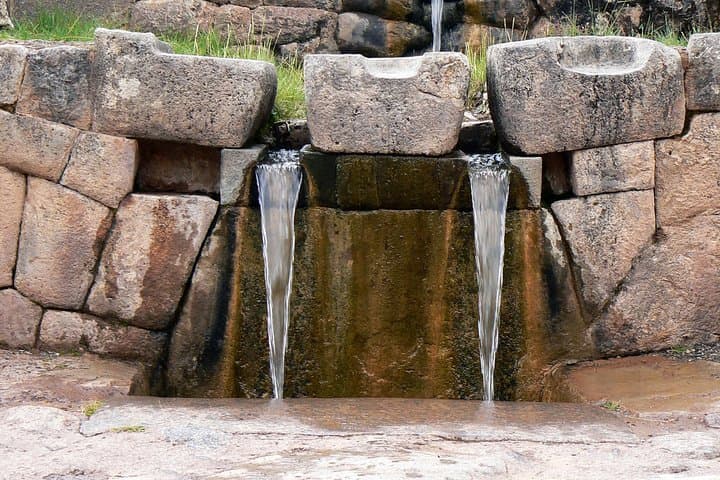
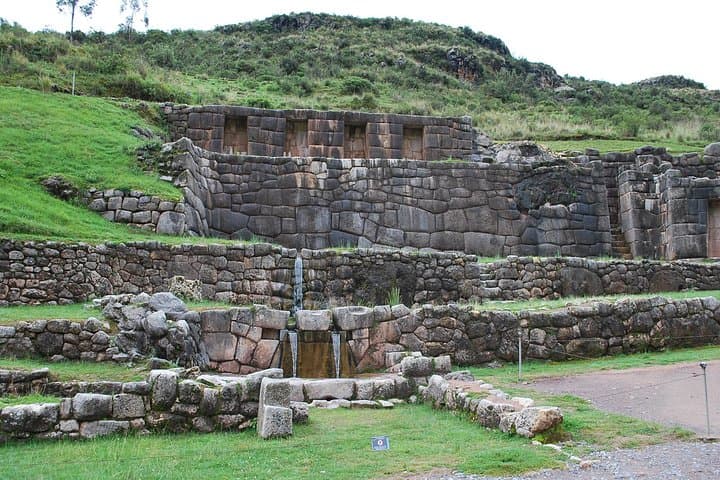
This half-day city tour stitches together Cusco’s layered history: pre-Columbian urban planning and monumental stonework, then the Spanish colonial grid and Baroque cathedral. Geology governs the view—Andean uplift heaved granite and volcanic strata into the ridges that cradle the city; at Saqsayhuamán the massive cyclopean walls sit high on a windswept ridge, stone blocks appearing to defy gravity. Qenqo and Pukapukara reveal ritual spaces and water-control engineering, while Tambomachay shows the Inca mastery of springs and channels. The South American Camelid Museum offers a cultural pause—textiles, biology and living alpaca/llama references that connect daily life to highland pastures.
Practical edge: plan for 4–5 hours, either morning or afternoon; expect 2–4 km of walking over uneven cobbles and short paved inclines. Hydrate well, move slowly on steep sections, and layer for sun and sharp highland gusts. Bring small local currency for museum entry or donations and allow extra time for brief photo stops at panoramic viewpoints. This tour is compact but dense—an efficient primer on why Cusco feels both ancient and vividly alive.
moderate.
4–5 hours.
Suitable for travelers in average fitness who can walk on uneven, sometimes steep cobbled streets at high altitude.
Most public archaeological sites and the cathedral often require separate admission; confirm with the operator and carry local currency for any onsite fees.
Cusco sits around 3,400 m; many travelers experience mild symptoms—allow a quiet first day, drink water, and avoid heavy exertion if you’re not acclimatized.
The tour begins and ends at the Cathedral door on the Plaza de Armas of Cusco; check booking specifics for exact meeting points and pickup details.
No—cobblestones, steps and steep approaches at many sites make the standard route unsuitable for wheelchairs or limited mobility without specialized support.
Cusco was the administrative and ceremonial capital of the Inca empire; Spanish colonizers reused Inca foundations to build colonial churches, creating the layered city you walk today.
Respect fragile stonework—stay on designated paths, avoid climbing walls and support local guides and museums that fund preservation efforts.
Chullos Travel Peru operates guided outdoor trips and adventures with an emphasis on safety, stewardship, and memorable experiences.
You step out onto the Plaza de Armas and the city exhales—cobblestones, church bells and the breathy altitude that reminds you you are above 3,300 meters. The morning light sketches Inca walls in hard relief as your guide leads you toward Koricancha, the Temple of the Sun, where carved stones lock together without mortar and the past presses close.
You step out onto the Plaza de Armas and the city exhales—cobblestones, church bells and the breathy altitude that reminds you you are above 3,300 meters. The morning light sketches Inca walls in hard relief as your guide leads you toward Koricancha, the Temple of the Sun, where carved stones lock together without mortar and the past presses close.
This half-day city tour stitches together Cusco’s layered history: pre-Columbian urban planning and monumental stonework, then the Spanish colonial grid and Baroque cathedral. Geology governs the view—Andean uplift heaved granite and volcanic strata into the ridges that cradle the city; at Saqsayhuamán the massive cyclopean walls sit high on a windswept ridge, stone blocks appearing to defy gravity. Qenqo and Pukapukara reveal ritual spaces and water-control engineering, while Tambomachay shows the Inca mastery of springs and channels. The South American Camelid Museum offers a cultural pause—textiles, biology and living alpaca/llama references that connect daily life to highland pastures.
Practical edge: plan for 4–5 hours, either morning or afternoon; expect 2–4 km of walking over uneven cobbles and short paved inclines. Hydrate well, move slowly on steep sections, and layer for sun and sharp highland gusts. Bring small local currency for museum entry or donations and allow extra time for brief photo stops at panoramic viewpoints. This tour is compact but dense—an efficient primer on why Cusco feels both ancient and vividly alive.