THE ADVENTURE COLLECTIVE® · Independent discovery and booking for outdoor travel

A compact, cultural circuit through Cusco’s most significant Inca sites—Qorikancha, Sacsayhuaman, Qenqo, Puca Pucara and Tambomachay—this half-day tour pairs geological wonder with colonial history and practical city access. Ideal for visitors wanting a concentrated primer on the Inca capital.
A compact, cultural circuit through Cusco’s most significant Inca sites—Qorikancha, Sacsayhuaman, Qenqo, Puca Pucara and Tambomachay—this half-day tour pairs geological wonder with colonial history and practical city access. Ideal for visitors wanting a concentrated primer on the Inca capital.
You step out into a thin, bright air and the city seems to hold its breath. Cobblestone streets slope away from the Plaza de Armas while the sun presses down, daring you to move faster; above, the terraces of Sacsayhuaman rise like an ancient wall carved into the mountain.
Verified experiences and guided adventures in the surrounding area.
Operated by Viagens Machu Picchu · Cusco, Cusco
You step out into a thin, bright air and the city seems to hold its breath. Cobblestone streets slope away from the Plaza de Armas while the sun presses down, daring you to move faster; above, the terraces of Sacsayhuaman rise like an ancient wall carved into the mountain.
This four-to-six hour circuit threads together Cusco’s layered history: the pre-Colonial precision of Qorikancha, where finely cut stones once supported gold-clad temples; the massive megaliths of Sacsayhuaman that demonstrate Inca seismic engineering; the carved caverns and ritual platforms at Qenqo; Puca Pucara’s watchful red walls; and Tambomachay’s still-flowing fountains—an operational example of Inca hydraulic design. Geology here is active: andesite bedrock and hand-fitted blocks explain both the architecture’s resilience and the city’s dramatic terraces.
Culturally, expect Quechua presence in market stalls and small chapels built atop Inca foundations—a visible palimpsest of conquest and continuity. Practicalities shape the day: meeting at Coricancha’s main gate, walking mostly on uneven stone paths with short, steep sections, and finishing near Plaza Regocijo. Carry local currency for entry fees (or the Boleto Turístico), drink plenty of water, and move slowly to adapt to 3,400 m elevation.
Footwear with grip, sun protection, and layered clothing will keep the afternoon comfortable as mountain winds shift. Time your visit for the morning light to avoid afternoon showers in the rainy season; guard your pace and your breath—Cusco asks for respect, not speed.
easy.
5–6 hours.
Basic fitness for walking uphill on uneven stone and short stair sections; go slowly if new to altitude.
No—admission to most sites is not included unless you have a Boleto Turístico; bring cash (soles) or buy the boleto to cover multiple sites.
Yes—it's rated easy, but uneven ground and altitude mean you should consider walking ability and health; infants sit on laps and car seats available on request.
Meeting point is the entrance gate of Coricancha next to Santo Domingo Church; the tour finishes at Plaza Regocijo near Plaza de Armas.
Cusco has strong sun, cool mornings, and a defined wet season (Dec–Mar); bring layers and a waterproof during the rainy months.
Cusco was the political and spiritual center of the Inca Empire; Spanish colonial buildings were later constructed atop Inca foundations, creating layered architecture.
Stick to marked paths, avoid touching carved stone faces, and consider the Boleto Turístico which channels funds to site maintenance and preservation.
Viagens Machu Picchu operates guided outdoor trips and adventures with an emphasis on safety, stewardship, and memorable experiences.
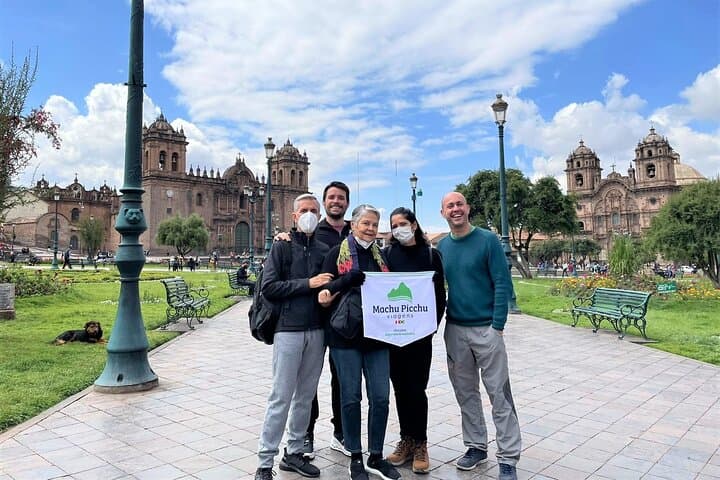
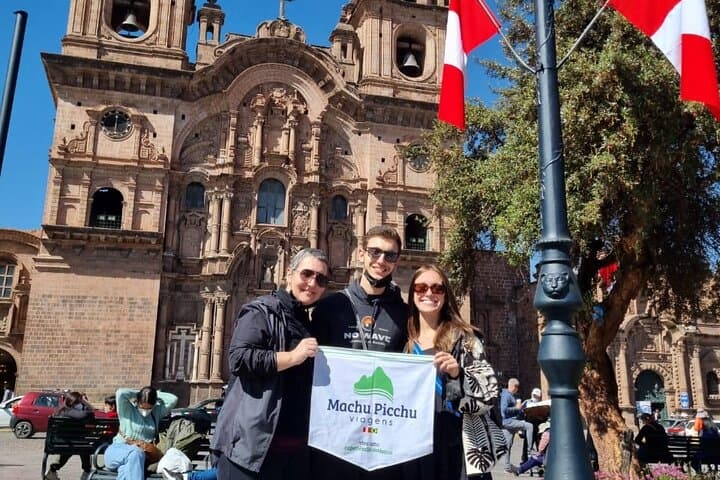
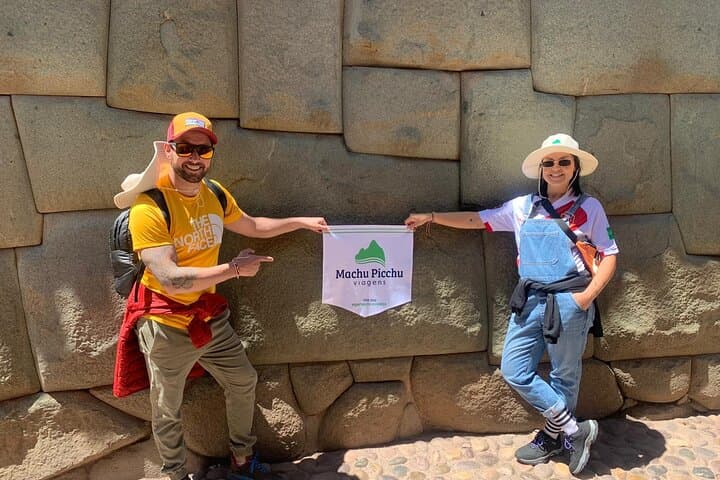
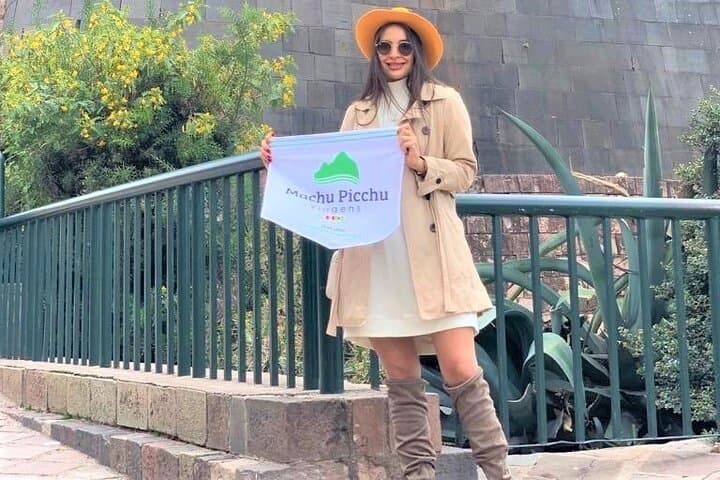
You step out into a thin, bright air and the city seems to hold its breath. Cobblestone streets slope away from the Plaza de Armas while the sun presses down, daring you to move faster; above, the terraces of Sacsayhuaman rise like an ancient wall carved into the mountain.
You step out into a thin, bright air and the city seems to hold its breath. Cobblestone streets slope away from the Plaza de Armas while the sun presses down, daring you to move faster; above, the terraces of Sacsayhuaman rise like an ancient wall carved into the mountain.
This four-to-six hour circuit threads together Cusco’s layered history: the pre-Colonial precision of Qorikancha, where finely cut stones once supported gold-clad temples; the massive megaliths of Sacsayhuaman that demonstrate Inca seismic engineering; the carved caverns and ritual platforms at Qenqo; Puca Pucara’s watchful red walls; and Tambomachay’s still-flowing fountains—an operational example of Inca hydraulic design. Geology here is active: andesite bedrock and hand-fitted blocks explain both the architecture’s resilience and the city’s dramatic terraces.
Culturally, expect Quechua presence in market stalls and small chapels built atop Inca foundations—a visible palimpsest of conquest and continuity. Practicalities shape the day: meeting at Coricancha’s main gate, walking mostly on uneven stone paths with short, steep sections, and finishing near Plaza Regocijo. Carry local currency for entry fees (or the Boleto Turístico), drink plenty of water, and move slowly to adapt to 3,400 m elevation.
Footwear with grip, sun protection, and layered clothing will keep the afternoon comfortable as mountain winds shift. Time your visit for the morning light to avoid afternoon showers in the rainy season; guard your pace and your breath—Cusco asks for respect, not speed.