THE ADVENTURE COLLECTIVE® · Independent discovery and booking for outdoor travel

Walk Cusco’s high-altitude streets on a five-hour guided tour that blends Inca ruins, colonial cathedrals and artisan neighborhoods. Practical route and acclimatization tips help you enjoy the city’s layered history without burning out.
Walk Cusco’s high-altitude streets on a five-hour guided tour that blends Inca ruins, colonial cathedrals and artisan neighborhoods. Practical route and acclimatization tips help you enjoy the city’s layered history without burning out.
Morning light hits Plaza de Armas and the air is thin, cool and sharp—Cusco greets you at 3,400 meters with stone streets that remember empire and conquest.
Verified experiences and guided adventures in the surrounding area.
Operated by Wayraq Peru · Cusco, Cusco
Morning light hits Plaza de Armas and the air is thin, cool and sharp—Cusco greets you at 3,400 meters with stone streets that remember empire and conquest.
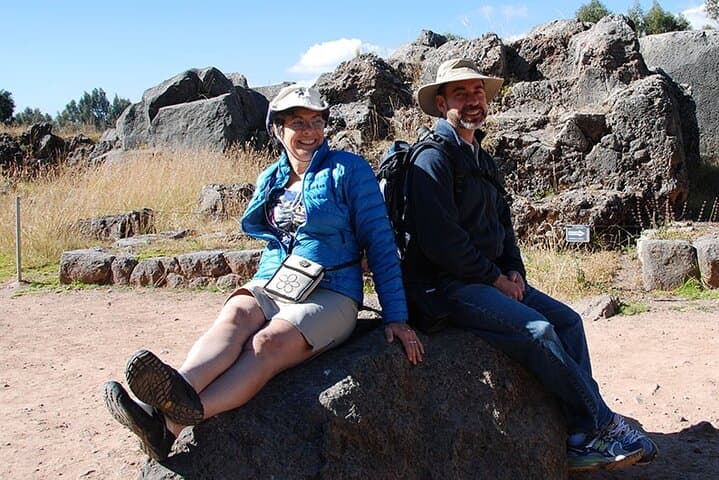
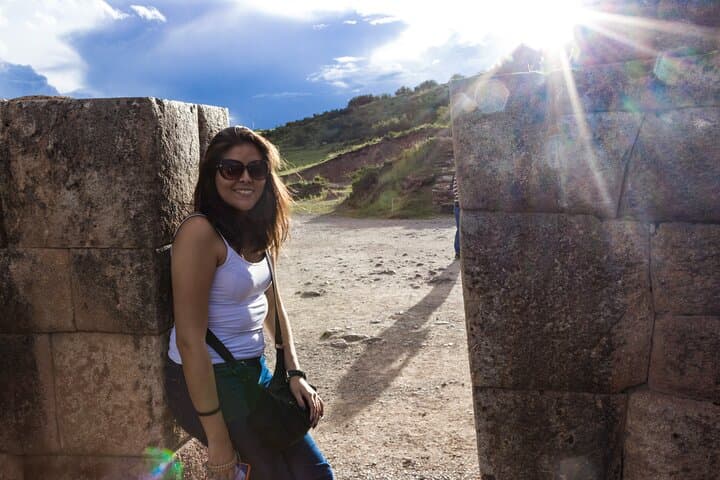
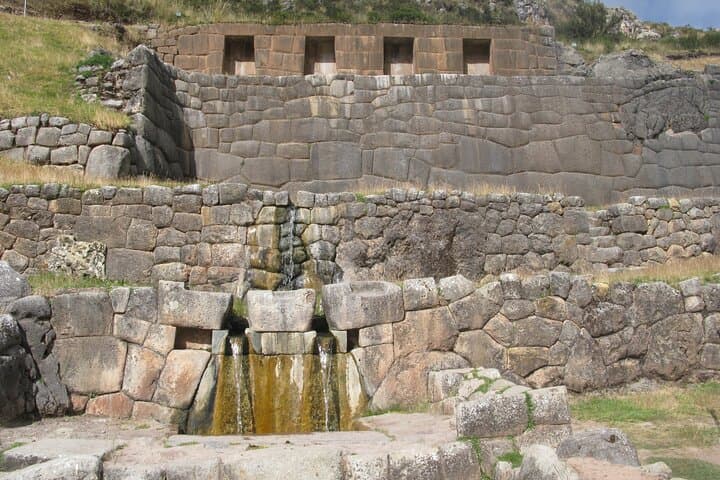
This five-hour city tour moves at a deliberate pace: cobblestone alleys, a cathedral heavy with baroque altars, Inca masonry that fits like a puzzle, and the carved rock channels of a water cult site. You’ll pass fortress-like terraces that once watched over the valley and a neighborhood where artisans still carve and paint in the shadow of colonial church facades.
Cusco’s story is written in layered rock and mortar: a capital of the Inca state whose foundations were reworked by Spanish conquistadors into plazas and churches. Geologically, the city sits in a high Andean basin—gneiss and schist make for firm streets but steep stair sets. Local culture remains visible in markets, in Quechua phrases heard between Spanish sentences, and in the small altars tucked into doorways.
Practical guidance: expect five hours of mostly easy walking on uneven cobbles and steps; bring water, layered clothing, and sun protection. Acclimatize 24–48 hours if you’re arriving from low altitude to reduce headache and fatigue. The tour includes transportation between sites and a professional guide; many stops require modest stair climbing and short uphill walks. Timing mid-morning helps avoid afternoon crowds and the strongest sun. Respect archaeological signs—photography rules and restricted access protect fragile Inca stonework. With practical preparation this tour is an efficient primer on Cusco’s archaeology, colonial architecture, and living highland culture.
easy.
5 hours.
Light walking fitness; able to manage stairs and uneven surfaces for several hours at high altitude.
The tour runs about five hours and includes several short walks between sites and stair climbs; expect mostly easy walking on uneven cobbles.
Cusco’s historic center has many stairs and uneven surfaces; travelers with significant mobility limits should consult the operator first.
Yes—Cusco is at ~3,400 m. Allow 24–48 hours to acclimatize, avoid heavy exertion on arrival day, and hydrate before the tour.
The itinerary lists included transportation and a professional guide; some site admissions may be extra—confirm at booking.
Cusco was the political and spiritual center of the Inca state; Spanish colonial builders reused Inca foundations to erect churches and plazas that stand today.
Visitors should avoid touching carved stone and stick to marked paths; supporting local guides and artisan workshops helps sustain the cultural landscape.
Wayraq Peru operates guided outdoor trips and adventures with an emphasis on safety, stewardship, and memorable experiences.

Morning light hits Plaza de Armas and the air is thin, cool and sharp—Cusco greets you at 3,400 meters with stone streets that remember empire and conquest.
Morning light hits Plaza de Armas and the air is thin, cool and sharp—Cusco greets you at 3,400 meters with stone streets that remember empire and conquest.
This five-hour city tour moves at a deliberate pace: cobblestone alleys, a cathedral heavy with baroque altars, Inca masonry that fits like a puzzle, and the carved rock channels of a water cult site. You’ll pass fortress-like terraces that once watched over the valley and a neighborhood where artisans still carve and paint in the shadow of colonial church facades.
Cusco’s story is written in layered rock and mortar: a capital of the Inca state whose foundations were reworked by Spanish conquistadors into plazas and churches. Geologically, the city sits in a high Andean basin—gneiss and schist make for firm streets but steep stair sets. Local culture remains visible in markets, in Quechua phrases heard between Spanish sentences, and in the small altars tucked into doorways.
Practical guidance: expect five hours of mostly easy walking on uneven cobbles and steps; bring water, layered clothing, and sun protection. Acclimatize 24–48 hours if you’re arriving from low altitude to reduce headache and fatigue. The tour includes transportation between sites and a professional guide; many stops require modest stair climbing and short uphill walks. Timing mid-morning helps avoid afternoon crowds and the strongest sun. Respect archaeological signs—photography rules and restricted access protect fragile Inca stonework. With practical preparation this tour is an efficient primer on Cusco’s archaeology, colonial architecture, and living highland culture.