THE ADVENTURE COLLECTIVE® · Independent discovery and booking for outdoor travel

Walk Cusco’s Plaza de Armas and Inca strongholds on a 5-hour guided tour that connects pre-Columbian engineering with colonial streets. Learn masonry techniques, ceremonial spaces and practical tips for altitude and cobbled walking.
Walk Cusco’s Plaza de Armas and Inca strongholds on a 5-hour guided tour that connects pre-Columbian engineering with colonial streets. Learn masonry techniques, ceremonial spaces and practical tips for altitude and cobbled walking.
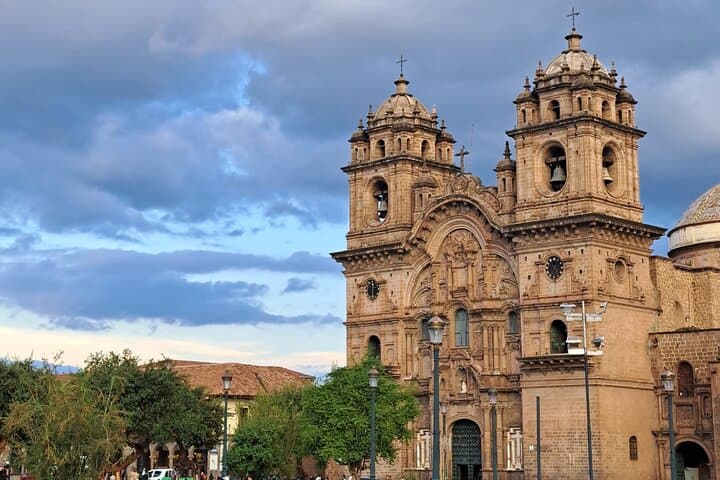
You step onto the Plaza de Armas with the buzz of market stalls and church bells folding into cool mountain air. Cobbled streets angle away from the square, flanked by centuries of Inca stonework dressed with Spanish facades. This five-hour city tour stitches those layers together — military fortresses, ceremonial centers and royal houses that still shape Cusco’s skyline.
Verified experiences and guided adventures in the surrounding area.
Operated by Yeah Cusco Travel · Cusco, Cusco Region
You step onto the Plaza de Armas with the buzz of market stalls and church bells folding into cool mountain air. Cobbled streets angle away from the square, flanked by centuries of Inca stonework dressed with Spanish facades. This five-hour city tour stitches those layers together — military fortresses, ceremonial centers and royal houses that still shape Cusco’s skyline.
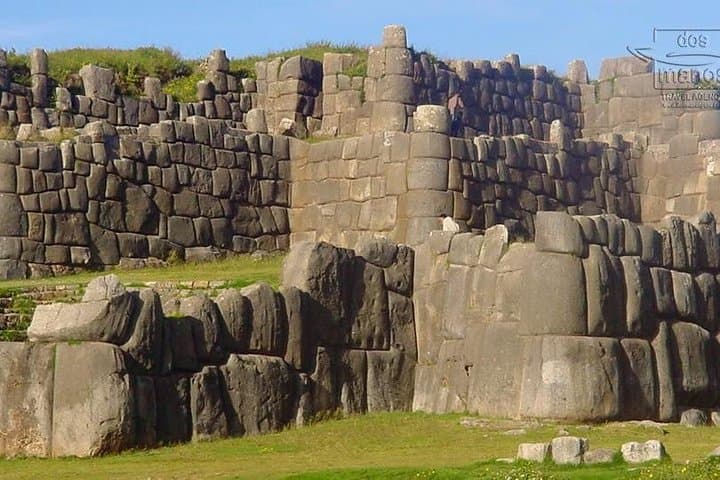
Cusco was the administrative heart of the Inca Empire; its stones were quarried and fitted without mortar to withstand seismic stress. The valley’s geology — high Andes composed of uplifted sedimentary and volcanic rocks — created the terraces and defensive ridges the Incas exploited. Spanish colonial architecture added churches and plazas, while local Quechua culture continued in markets, textiles and ritual practices you’ll glimpse on side streets.
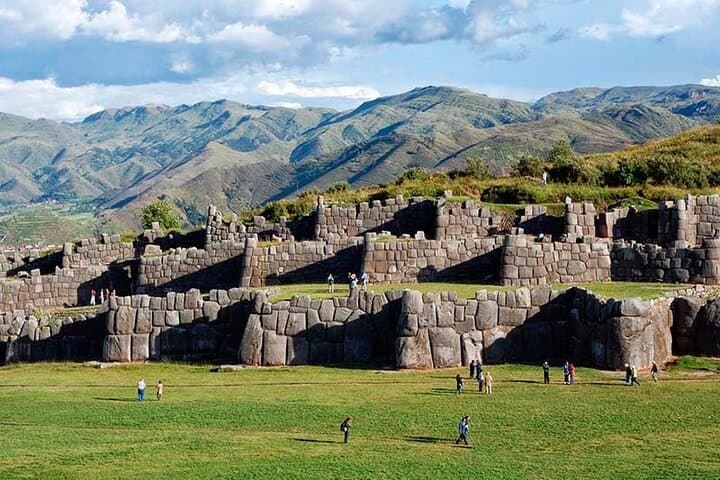
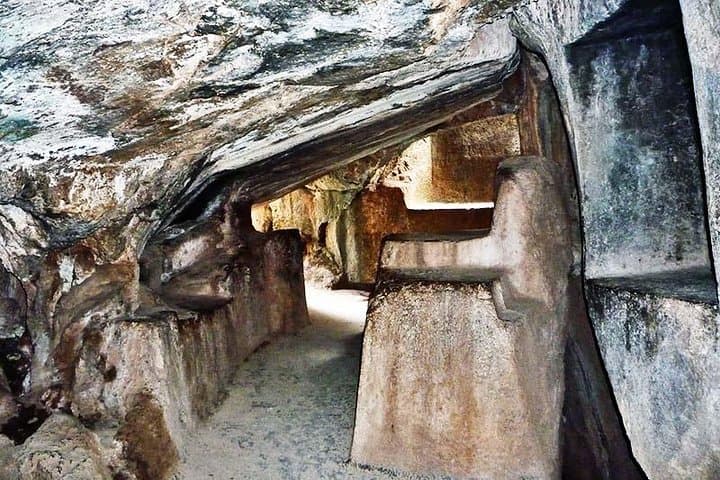
Expect a practical, archaeology-forward route: a guided walkthrough of the main square, a visit to the fortress-like Sacsayhuamán, a stop at ceremonial centers and the royal baths and houses. The guide explains masonry techniques, Inca cosmology and colonial adaptation, with time for photos and a paced walk between sites.
Practical tips: altitude affects energy — sip water, move deliberately and avoid heavy meals before walking. Dress in layers for sun and sudden wind; comfortable walking shoes handle uneven, sloped cobbles. Carry small change for markets and museums; many sites don’t include entrance fees unless specified. Morning tours give softer light and fewer crowds; late-afternoon returns let you tap into the city’s nightlife options. This is a cultural walk with short vehicle transfers — low exertion, high context, and an efficient primer on why Cusco still commands attention.
easy.
4–5 hours.
Light walking fitness; able to walk on uneven cobbles and short uphill sections at high altitude
This tour description lists visits to external viewpoints and sites; some entrances may require separate tickets—confirm at booking or bring cash to pay local fees.
The tour is described as suitable for all fitness levels, but it’s not recommended for pregnant travelers; children should be able to manage uneven walking surfaces.
Language options depend on the operator—check the booking page for available guide languages or request in advance.
Yes—small vendors, museum kiosks and restrooms commonly require Peruvian soles; card acceptance is limited in some areas.
Cusco served as the political and spiritual center of the Inca Empire; Spanish colonizers built churches and plazas atop Inca foundations, creating the layered city you tour today.
Respect fragile Inca masonry by staying on marked paths and avoiding touching fitted stones; support local guides and small vendors to help preserve cultural landscapes.
Yeah Cusco Travel operates guided outdoor trips and adventures with an emphasis on safety, stewardship, and memorable experiences.
You step onto the Plaza de Armas with the buzz of market stalls and church bells folding into cool mountain air. Cobbled streets angle away from the square, flanked by centuries of Inca stonework dressed with Spanish facades. This five-hour city tour stitches those layers together — military fortresses, ceremonial centers and royal houses that still shape Cusco’s skyline.
You step onto the Plaza de Armas with the buzz of market stalls and church bells folding into cool mountain air. Cobbled streets angle away from the square, flanked by centuries of Inca stonework dressed with Spanish facades. This five-hour city tour stitches those layers together — military fortresses, ceremonial centers and royal houses that still shape Cusco’s skyline.
Cusco was the administrative heart of the Inca Empire; its stones were quarried and fitted without mortar to withstand seismic stress. The valley’s geology — high Andes composed of uplifted sedimentary and volcanic rocks — created the terraces and defensive ridges the Incas exploited. Spanish colonial architecture added churches and plazas, while local Quechua culture continued in markets, textiles and ritual practices you’ll glimpse on side streets.
Expect a practical, archaeology-forward route: a guided walkthrough of the main square, a visit to the fortress-like Sacsayhuamán, a stop at ceremonial centers and the royal baths and houses. The guide explains masonry techniques, Inca cosmology and colonial adaptation, with time for photos and a paced walk between sites.
Practical tips: altitude affects energy — sip water, move deliberately and avoid heavy meals before walking. Dress in layers for sun and sudden wind; comfortable walking shoes handle uneven, sloped cobbles. Carry small change for markets and museums; many sites don’t include entrance fees unless specified. Morning tours give softer light and fewer crowds; late-afternoon returns let you tap into the city’s nightlife options. This is a cultural walk with short vehicle transfers — low exertion, high context, and an efficient primer on why Cusco still commands attention.