THE ADVENTURE COLLECTIVE® · Independent discovery and booking for outdoor travel

Spend a focused half-day exploring Cusco’s colonial plazas and Inca monuments with a private guide. This 4-hour tour covers Plaza de Armas, Sacsayhuamán, Qoricancha and Tambo Machay with transport and contextual history—ideal for acclimatizing or planning a longer Sacred Valley itinerary.
Spend a focused half-day exploring Cusco’s colonial plazas and Inca monuments with a private guide. This 4-hour tour covers Plaza de Armas, Sacsayhuamán, Qoricancha and Tambo Machay with transport and contextual history—ideal for acclimatizing or planning a longer Sacred Valley itinerary.
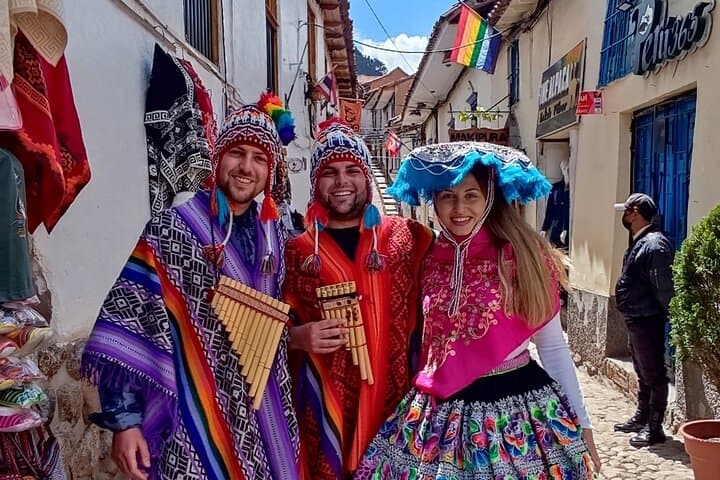
Morning in Cusco begins with a clear, cold light over the Plaza de Armas; song from market vendors mixes with the clack of tourists’ boots on centuries-old stone. This private four-hour tour moves at a calm pace, threading the city’s Spanish-colonial squares and Inca stonework into a compact introduction to the imperial capital.
Verified experiences and guided adventures in the surrounding area.
Operated by Mi Guia Machupicchu · Cusco, Cusco
Morning in Cusco begins with a clear, cold light over the Plaza de Armas; song from market vendors mixes with the clack of tourists’ boots on centuries-old stone. This private four-hour tour moves at a calm pace, threading the city’s Spanish-colonial squares and Inca stonework into a compact introduction to the imperial capital.
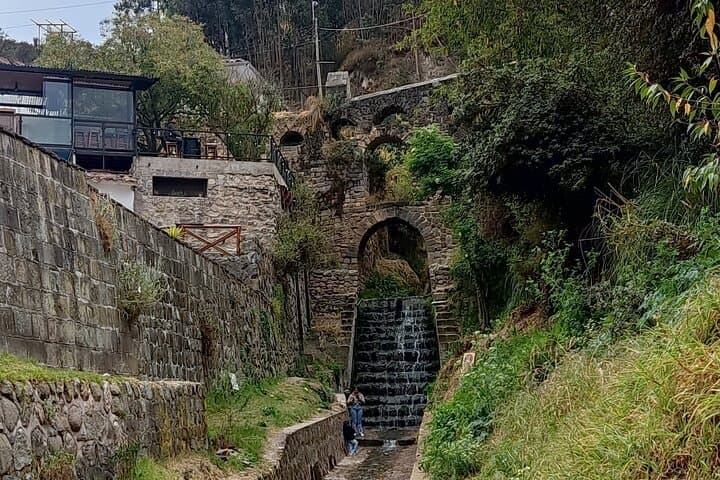
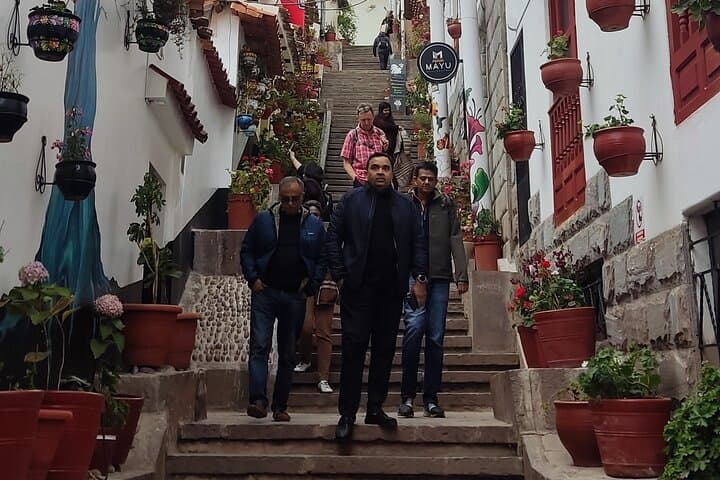
Cusco sits on an uplifted Andean platform where granite and metamorphic bedrock were sculpted by tectonic collision. The city’s famous ashlar masonry—blocks cut to mate without mortar—speaks to Inca engineering and ritual power. Along narrow lanes you’ll hear Quechua words in conversation, see colonial churches built atop Inca foundations, and pass plazas that were once political stages for the empire.
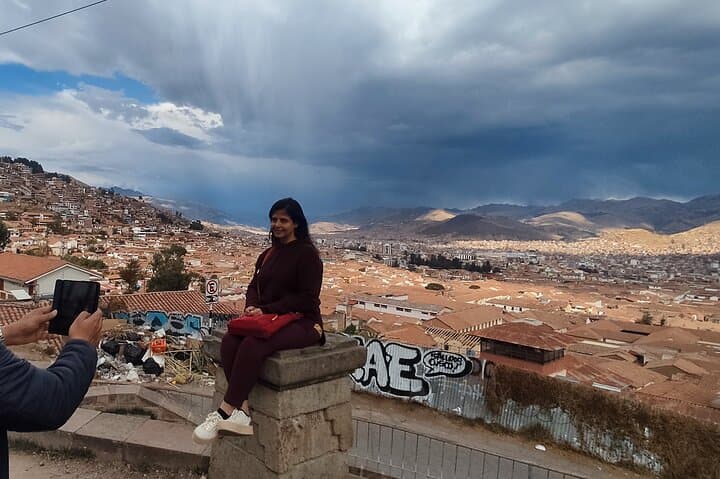
Highlights include the main square (Plaza de Armas), Sacsayhuamán’s colossal ramparts, the sacred site of Qoricancha (Temple of the Sun), and Tambo Machay—an Inca ceremonial water complex with commanding valley views. A professional guide frames each stop with cultural context: festivals, colonial history, and how the Inca conceived space and power.
Practical edge: at 3,400 m (11,150 ft) altitude, move deliberately—sip water, avoid heavy meals beforehand, and allow 24–48 hours of light acclimatization if possible. The tour provides private transport and is wheelchair accessible in parts, but some archaeological sites require short, uneven walks. Carry sun protection, layers, and your passport for entrance confirmations. Plan this as a focused cultural primer before heading to the Sacred Valley or the Inca Trail—efficient, interpretive, and low-impact if you stay on designated paths.
easy.
4 hours.
Suitable for most fitness levels; requires short walks on uneven terrain and standing at viewpoints.
Parts of the itinerary are wheelchair accessible and transport is private, but several sites have uneven stone steps—notify the operator ahead to plan a tailored route.
The tour includes entrance to specified places of interest, but confirm which sites are covered and have your passport ready for ticketing.
It’s a low-impact way to begin acclimatizing, but allow additional rest days before starting strenuous hikes like the Inca Trail.
Guides are professional; confirm language preference during booking to ensure a guide fluent in your language is assigned.
Cusco was the political and spiritual capital of the Inca Empire; Spanish conquerors repurposed many Inca foundations when building colonial structures after the 1530s.
Stay on marked paths and avoid touching stonework; local conservation efforts focus on managing visitor numbers and protecting fragile archaeological surfaces.
Mi Guia Machupicchu operates guided outdoor trips and adventures with an emphasis on safety, stewardship, and memorable experiences.
Morning in Cusco begins with a clear, cold light over the Plaza de Armas; song from market vendors mixes with the clack of tourists’ boots on centuries-old stone. This private four-hour tour moves at a calm pace, threading the city’s Spanish-colonial squares and Inca stonework into a compact introduction to the imperial capital.
Morning in Cusco begins with a clear, cold light over the Plaza de Armas; song from market vendors mixes with the clack of tourists’ boots on centuries-old stone. This private four-hour tour moves at a calm pace, threading the city’s Spanish-colonial squares and Inca stonework into a compact introduction to the imperial capital.
Cusco sits on an uplifted Andean platform where granite and metamorphic bedrock were sculpted by tectonic collision. The city’s famous ashlar masonry—blocks cut to mate without mortar—speaks to Inca engineering and ritual power. Along narrow lanes you’ll hear Quechua words in conversation, see colonial churches built atop Inca foundations, and pass plazas that were once political stages for the empire.
Highlights include the main square (Plaza de Armas), Sacsayhuamán’s colossal ramparts, the sacred site of Qoricancha (Temple of the Sun), and Tambo Machay—an Inca ceremonial water complex with commanding valley views. A professional guide frames each stop with cultural context: festivals, colonial history, and how the Inca conceived space and power.
Practical edge: at 3,400 m (11,150 ft) altitude, move deliberately—sip water, avoid heavy meals beforehand, and allow 24–48 hours of light acclimatization if possible. The tour provides private transport and is wheelchair accessible in parts, but some archaeological sites require short, uneven walks. Carry sun protection, layers, and your passport for entrance confirmations. Plan this as a focused cultural primer before heading to the Sacred Valley or the Inca Trail—efficient, interpretive, and low-impact if you stay on designated paths.