THE ADVENTURE COLLECTIVE® · Independent discovery and booking for outdoor travel

A one-day push into the high Andes: a pre-dawn drive from Cusco leads to a steady hike through puna to seven glacier-fed lagoons and a restorative soak in Pacchanta’s hot springs. Ideal for acclimatized hikers seeking dramatic alpine scenery in a single long day.
A one-day push into the high Andes: a pre-dawn drive from Cusco leads to a steady hike through puna to seven glacier-fed lagoons and a restorative soak in Pacchanta’s hot springs. Ideal for acclimatized hikers seeking dramatic alpine scenery in a single long day.
You set out before dawn from Cusco, the city lights shrinking as the van climbs out of the valley. By the time you step at Pacchanta, the air is thin and crisp; the first views of Ausangate’s snow-creased ridges cut clean against the pale sky. The trail rises steadily into puna — wind-scoured grass, scattered stones, and a string of small, vividly colored lagoons that mirror the mountain’s flanks.
Verified experiences and guided adventures in the surrounding area.
Operated by Machupicchu andes tours · Pacchanta (drive from Cusco), Cusco Region
You set out before dawn from Cusco, the city lights shrinking as the van climbs out of the valley. By the time you step at Pacchanta, the air is thin and crisp; the first views of Ausangate’s snow-creased ridges cut clean against the pale sky. The trail rises steadily into puna — wind-scoured grass, scattered stones, and a string of small, vividly colored lagoons that mirror the mountain’s flanks.
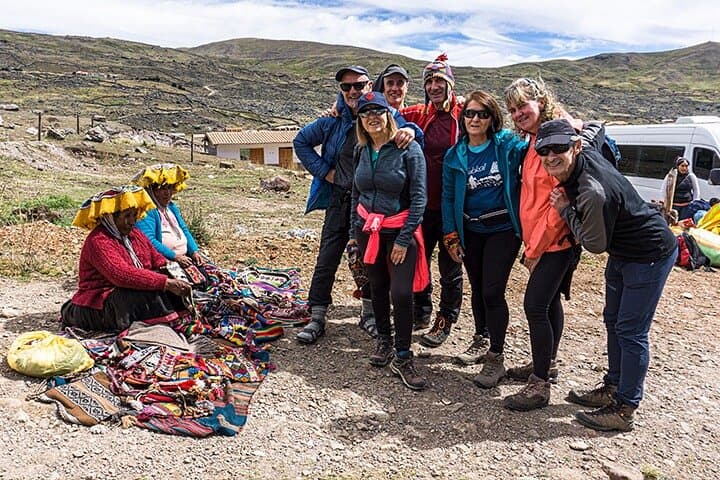
Geology here is recent and glacial: the lagoons are shallow basins filled by seasonal melt, their colors shifting with mineral content and light. Ausangate is one of the region’s great apus (sacred mountains) and the surrounding communities maintain a pastoral way of life — herds of llamas and alpacas graze the slopes and local families operate the Pacchanta hot springs you’ll use to recover.
Expect roughly 10 km of hiking with 600–900 m of accumulated ascent at elevations commonly between 3,900–4,400 m. Terrain alternates compacted dirt, scree, and steps carved by livestock; footing can be uneven and exposed to wind. The itinerary commonly includes a homemade breakfast in Pacchanta, a 6-hour round of hiking among the seven lakes, a community-cooked lunch, then a soak in mineral pools before the return drive to Cusco.
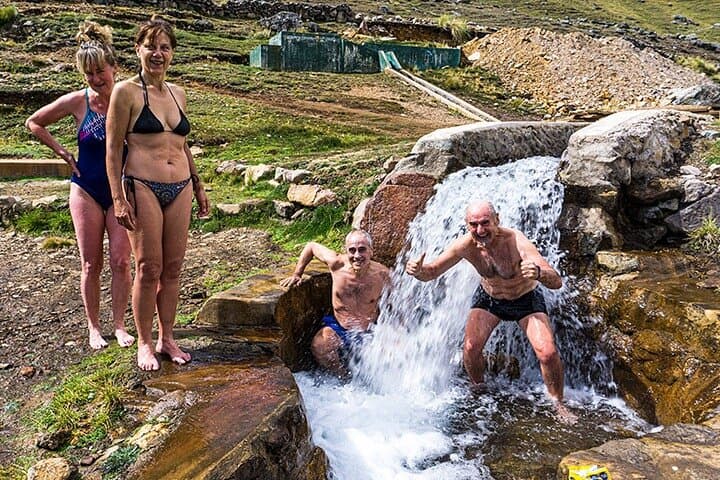
Practical plan: acclimatize in Cusco for 48–72 hours if possible, hike slowly and stay hydrated, and carry warm layers and sun protection. Footwear with good grip and trekking poles make the uphill sections easier. The hot springs are a payoff — bring a towel and modesty in community-run pools. This is a high-altitude day of steady effort rewarded by uncluttered Andean scenery and a true taste of mountain village hospitality.
challenging.
11–12 hours.
Good cardiovascular fitness and prior altitude exposure recommended; able to sustain steady uphill walking for several hours.
The walking portion is typically about 6 hours roundtrip, around 10 km with 600–900 m of ascent spread across uneven, sometimes steep trail — strenuous mainly due to altitude rather than technical difficulty.
Yes—spend 48–72 hours in Cusco before the hike if possible. Symptoms of altitude sickness can appear rapidly and slow, steady pacing helps.
Most tours include access to the Pacchanta community hot springs; pools are community-run and shared, so bring a towel and modest swimwear.
Typical inclusions are hotel pickup, transport, a guide, breakfast and lunch, first-aid/oxygen, and admission to the Ausangate lagoons area; verify specifics with your operator.
Ausangate is venerated as an apu, a sacred mountain in Andean cosmology; nearby communities maintain pastoral traditions and seasonal trekking rituals.
The high puna is fragile—stick to established trails, avoid disturbing grazing animals, and pack out all litter; use community facilities respectfully, supporting local-run services.
Machupicchu andes tours operates guided outdoor trips and adventures with an emphasis on safety, stewardship, and memorable experiences.
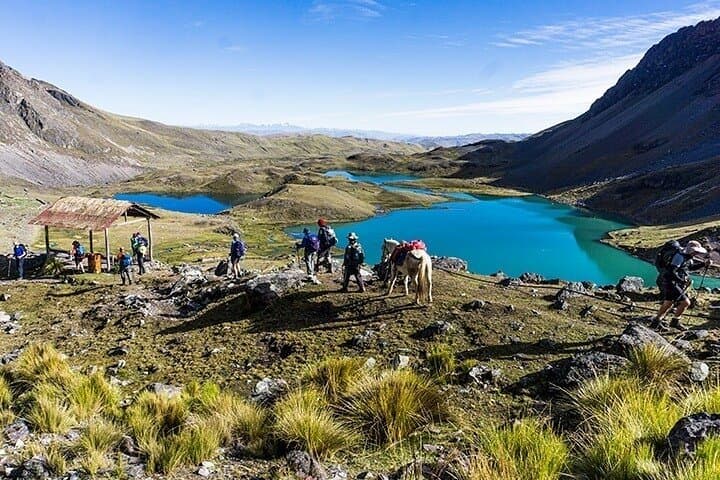
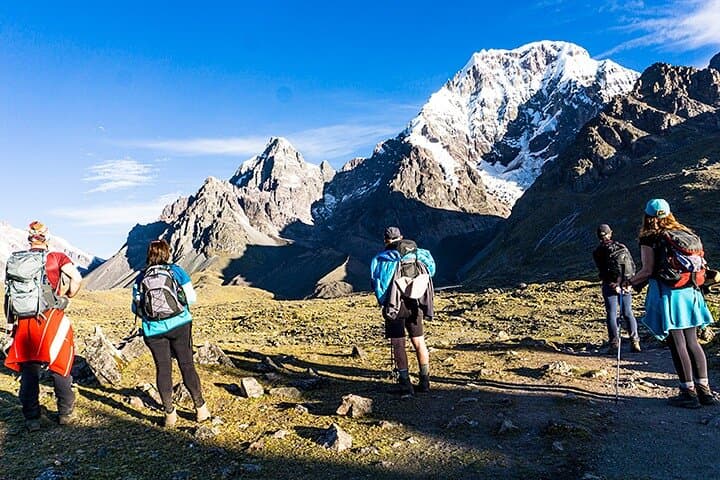
You set out before dawn from Cusco, the city lights shrinking as the van climbs out of the valley. By the time you step at Pacchanta, the air is thin and crisp; the first views of Ausangate’s snow-creased ridges cut clean against the pale sky. The trail rises steadily into puna — wind-scoured grass, scattered stones, and a string of small, vividly colored lagoons that mirror the mountain’s flanks.
You set out before dawn from Cusco, the city lights shrinking as the van climbs out of the valley. By the time you step at Pacchanta, the air is thin and crisp; the first views of Ausangate’s snow-creased ridges cut clean against the pale sky. The trail rises steadily into puna — wind-scoured grass, scattered stones, and a string of small, vividly colored lagoons that mirror the mountain’s flanks.
Geology here is recent and glacial: the lagoons are shallow basins filled by seasonal melt, their colors shifting with mineral content and light. Ausangate is one of the region’s great apus (sacred mountains) and the surrounding communities maintain a pastoral way of life — herds of llamas and alpacas graze the slopes and local families operate the Pacchanta hot springs you’ll use to recover.
Expect roughly 10 km of hiking with 600–900 m of accumulated ascent at elevations commonly between 3,900–4,400 m. Terrain alternates compacted dirt, scree, and steps carved by livestock; footing can be uneven and exposed to wind. The itinerary commonly includes a homemade breakfast in Pacchanta, a 6-hour round of hiking among the seven lakes, a community-cooked lunch, then a soak in mineral pools before the return drive to Cusco.
Practical plan: acclimatize in Cusco for 48–72 hours if possible, hike slowly and stay hydrated, and carry warm layers and sun protection. Footwear with good grip and trekking poles make the uphill sections easier. The hot springs are a payoff — bring a towel and modesty in community-run pools. This is a high-altitude day of steady effort rewarded by uncluttered Andean scenery and a true taste of mountain village hospitality.