THE ADVENTURE COLLECTIVE® · Independent discovery and booking for outdoor travel

Visit a rescue sanctuary just outside Cusco to meet native and rehabilitated animals, learn local conservation practices, and support community-run programs through purchases and donations. The tour is educational, accessible, and lasts about 2–3 hours.
Visit a rescue sanctuary just outside Cusco to meet native and rehabilitated animals, learn local conservation practices, and support community-run programs through purchases and donations. The tour is educational, accessible, and lasts about 2–3 hours.
The road out of Cusco unwinds under highland light; the city thins and the air sharpens as you drive toward a compound where rescued animals wait in quiet enclosures and shaded pens. Bright macaws call from aviaries, llamas and alpacas browse on alfalfa, and the occasional fox peers from behind a boulder — the sanctuary opens like a window into the region’s wild and domestic life.
Verified experiences and guided adventures in the surrounding area.
Operated by Transport to cochahuasi animal shelter · Cusco, Cusco
The road out of Cusco unwinds under highland light; the city thins and the air sharpens as you drive toward a compound where rescued animals wait in quiet enclosures and shaded pens. Bright macaws call from aviaries, llamas and alpacas browse on alfalfa, and the occasional fox peers from behind a boulder — the sanctuary opens like a window into the region’s wild and domestic life.
The sanctuary sits at the edge of Andean country that has long blended mountain pastoralism with Amazon-linked species. The site’s work reflects local conservation challenges: wildlife displacement, the illegal pet trade, and communities learning to coexist with native fauna. Geologically, you’ll notice the hard volcanic and sedimentary ridges that shape Cusco’s valleys; culturally, Quechua-speaking families around the sanctuary supply labor and traditional knowledge, and a small artisan stall funds ongoing care.
On a visit expect guided time with multiple enclosures, a chance to learn about rehabilitation efforts, and free time to browse the on-site alpaca crafts stall that channels revenue back into the sanctuary and local communities. The experience is educational rather than rugged: pathways are level, and transfers from central Cusco are typically included.
Practical tips — bring sun protection, a refillable water bottle, and closed-toe shoes for uneven ground. Photography is encouraged but follow staff guidance around stressed animals. Visits last roughly two to three hours, and many visitors combine this stop with cultural sightseeing in Cusco. By planning transport, modest cash for donations or purchases, and an early-morning start to avoid crowds, you’ll help ensure the sanctuary’s mission — rescue, rehabilitation, and release — continues to grow.
easy.
2–3 hours.
Suitable for most fitness levels; minimal walking on mostly level surfaces
The tour runs about 2–3 hours including transport; the guided sanctuary time is around 60 minutes with additional time for pickup and return.
Yes — the sanctuary indicates stroller and wheelchair accessibility and the program is designed to be physically easy.
Interactions vary by animal and current rehabilitation protocols; staff will outline where limited supervised contact is safe and permitted.
Proceeds from the on-site alpaca products support animal care and local peasant communities; the sanctuary also funds rehabilitation and release efforts.
The sanctuary reflects regional efforts to rehabilitate animals displaced by urban growth and the illegal wildlife trade, working closely with local Quechua communities to combine traditional stewardship and modern veterinary care.
Operations rely on visitor support and craft sales rather than government funding; responsible visits and purchases directly help rehabilitation, release programs, and community education.
Transport to cochahuasi animal shelter operates guided outdoor trips and adventures with an emphasis on safety, stewardship, and memorable experiences.
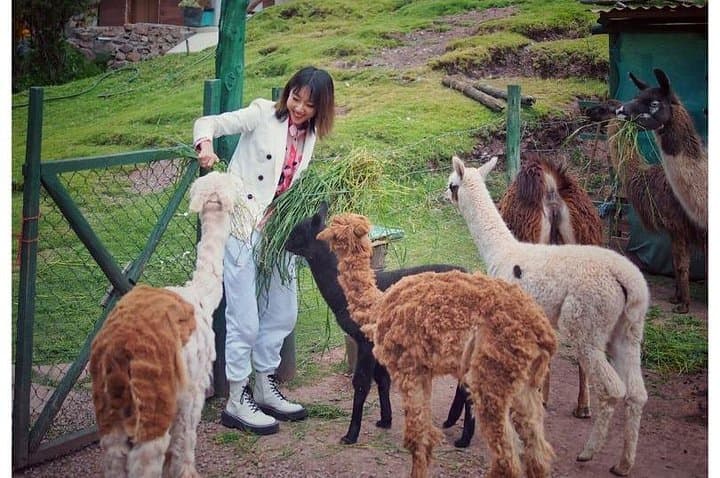
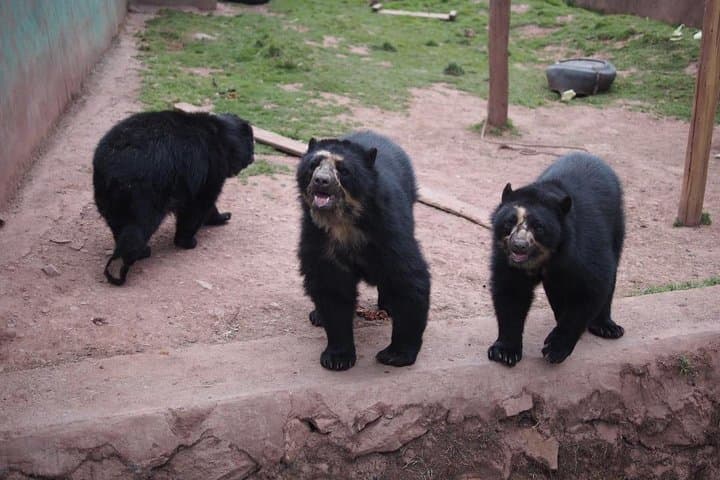
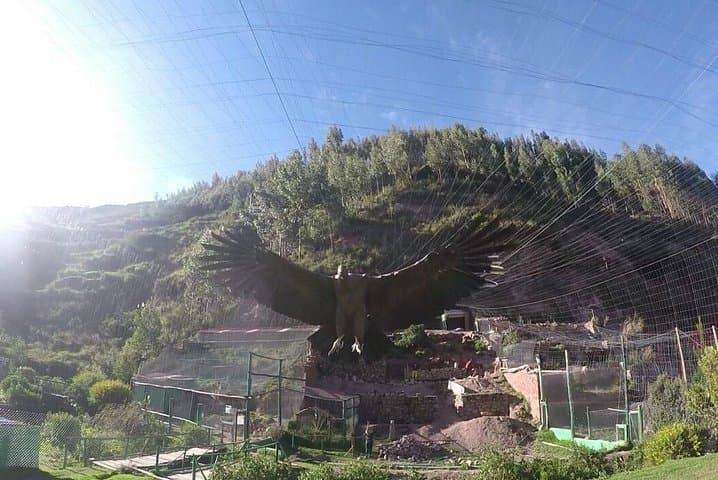
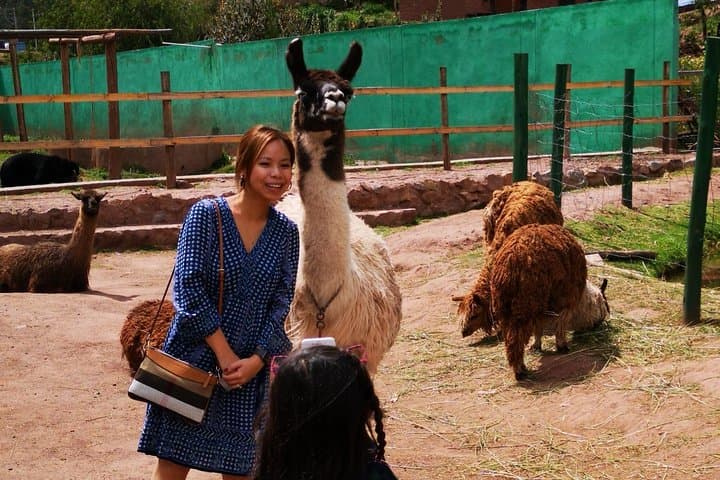
The road out of Cusco unwinds under highland light; the city thins and the air sharpens as you drive toward a compound where rescued animals wait in quiet enclosures and shaded pens. Bright macaws call from aviaries, llamas and alpacas browse on alfalfa, and the occasional fox peers from behind a boulder — the sanctuary opens like a window into the region’s wild and domestic life.
The road out of Cusco unwinds under highland light; the city thins and the air sharpens as you drive toward a compound where rescued animals wait in quiet enclosures and shaded pens. Bright macaws call from aviaries, llamas and alpacas browse on alfalfa, and the occasional fox peers from behind a boulder — the sanctuary opens like a window into the region’s wild and domestic life.
The sanctuary sits at the edge of Andean country that has long blended mountain pastoralism with Amazon-linked species. The site’s work reflects local conservation challenges: wildlife displacement, the illegal pet trade, and communities learning to coexist with native fauna. Geologically, you’ll notice the hard volcanic and sedimentary ridges that shape Cusco’s valleys; culturally, Quechua-speaking families around the sanctuary supply labor and traditional knowledge, and a small artisan stall funds ongoing care.
On a visit expect guided time with multiple enclosures, a chance to learn about rehabilitation efforts, and free time to browse the on-site alpaca crafts stall that channels revenue back into the sanctuary and local communities. The experience is educational rather than rugged: pathways are level, and transfers from central Cusco are typically included.
Practical tips — bring sun protection, a refillable water bottle, and closed-toe shoes for uneven ground. Photography is encouraged but follow staff guidance around stressed animals. Visits last roughly two to three hours, and many visitors combine this stop with cultural sightseeing in Cusco. By planning transport, modest cash for donations or purchases, and an early-morning start to avoid crowds, you’ll help ensure the sanctuary’s mission — rescue, rehabilitation, and release — continues to grow.