THE ADVENTURE COLLECTIVE® · Independent discovery and booking for outdoor travel

A six-day itinerary that pairs Cusco’s archaeological core and the Sacred Valley with a guided visit to Machu Picchu and a night in panoramic domes after the Humantay Lagoon hike. Practical for travelers who want culture, high‑altitude scenery, and managed logistics.
A six-day itinerary that pairs Cusco’s archaeological core and the Sacred Valley with a guided visit to Machu Picchu and a night in panoramic domes after the Humantay Lagoon hike. Practical for travelers who want culture, high‑altitude scenery, and managed logistics.
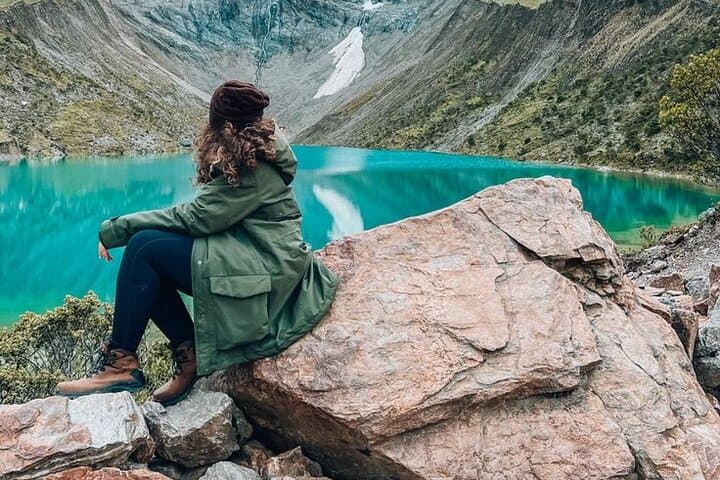
You step out of the train into Aguas Calientes with mountain air still damp from mist; later the route climbs to a turquoise bowl of water ringed by snow—Humantay’s lagoon feels like the Andes pausing to show off.
Verified experiences and guided adventures in the surrounding area.
Operated by Trip Alpaca Adventure · Cusco, Cusco
You step out of the train into Aguas Calientes with mountain air still damp from mist; later the route climbs to a turquoise bowl of water ringed by snow—Humantay’s lagoon feels like the Andes pausing to show off.
This six-day loop threads through highland history and raw geology: colonial Cusco sits on Inca foundations, the Sacred Valley’s fluvial terraces trace millennia of agronomy, and the jagged ice of Salkantay (4,630 m / 15,190 ft) shows the tectonic uplift that carved these peaks. Culture is visible at market stalls in Pisac and the living stonework at Ollantaytambo; in Aguas Calientes the train line slices through cloud forest where Andean species cling to steep slopes.
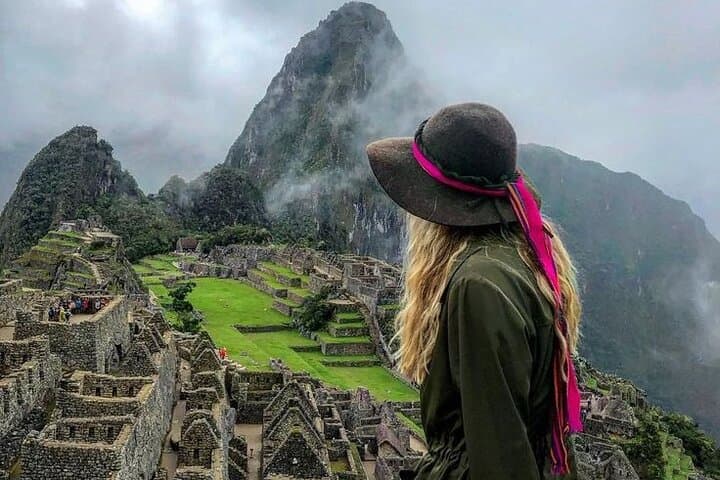
Expect varied terrain: cobbled city streets, gravel and singletrack to Soraypampa, a steep 3–4 km round-trip hike to Humantay with ~300–400 m elevation gain, and mountain roads to Salkantay Pass. Machu Picchu sits lower at ~2,430 m, reached by scenic rail and a shuttle bus; guided time in the citadel lets you move across terraces, stairways, and ceremonial plazas.
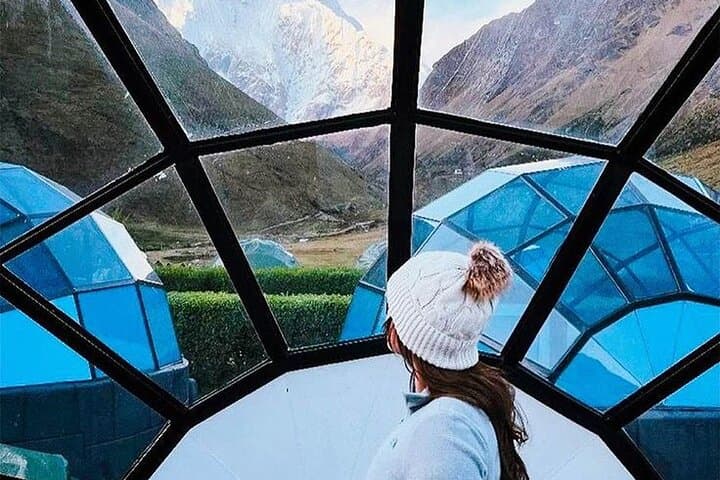
Practical edge: acclimatize in Cusco (3,400 m) at least 24 hours, carry your passport for monument entry, and pack sun protection and layers—temperatures swing dramatically. Hydrate, consider altitude medication, and use good ankle-support boots for rocky trails. The trip includes hotels, one night in panoramic domes at Soraypampa, most meals, train tickets, guides, and entrance fees, making it a compact way to combine cultural sites with high‑altitude hiking and a night beneath high-Andean stars.
moderate.
6 days.
Moderate fitness: able to walk several hours at altitude with short steep sections and uneven terrain.
Yes—there is a Cusco city tour early in the trip to help acclimatize; avoid extra heavy exertion on arrival day.
The package states that train tickets, entrance fees, and specified meals are included—confirm specifics at booking and carry your passport.
The Humantay hike is a short but steep walk from Soraypampa—roughly 3–4 km round trip with 300–400 m elevation gain—suitable for fit travelers accustomed to altitude.
Sky domes at Soraypampa offer panoramic windows and basic comforts, but nights are cold—expect simple facilities optimized for views rather than luxury.
The route links Cusco—capital of the Inca Empire—with Sacred Valley sites built as agricultural and strategic centers; Machu Picchu served ceremonial and administrative roles in Inca society.
High visitor numbers strain trails and fragile puna habitats—stick to paths, carry out waste, and respect local limits on access and visitor numbers to protect fragile archaeological and ecological sites.
Trip Alpaca Adventure operates guided outdoor trips and adventures with an emphasis on safety, stewardship, and memorable experiences.

You step out of the train into Aguas Calientes with mountain air still damp from mist; later the route climbs to a turquoise bowl of water ringed by snow—Humantay’s lagoon feels like the Andes pausing to show off.
You step out of the train into Aguas Calientes with mountain air still damp from mist; later the route climbs to a turquoise bowl of water ringed by snow—Humantay’s lagoon feels like the Andes pausing to show off.
This six-day loop threads through highland history and raw geology: colonial Cusco sits on Inca foundations, the Sacred Valley’s fluvial terraces trace millennia of agronomy, and the jagged ice of Salkantay (4,630 m / 15,190 ft) shows the tectonic uplift that carved these peaks. Culture is visible at market stalls in Pisac and the living stonework at Ollantaytambo; in Aguas Calientes the train line slices through cloud forest where Andean species cling to steep slopes.
Expect varied terrain: cobbled city streets, gravel and singletrack to Soraypampa, a steep 3–4 km round-trip hike to Humantay with ~300–400 m elevation gain, and mountain roads to Salkantay Pass. Machu Picchu sits lower at ~2,430 m, reached by scenic rail and a shuttle bus; guided time in the citadel lets you move across terraces, stairways, and ceremonial plazas.
Practical edge: acclimatize in Cusco (3,400 m) at least 24 hours, carry your passport for monument entry, and pack sun protection and layers—temperatures swing dramatically. Hydrate, consider altitude medication, and use good ankle-support boots for rocky trails. The trip includes hotels, one night in panoramic domes at Soraypampa, most meals, train tickets, guides, and entrance fees, making it a compact way to combine cultural sites with high‑altitude hiking and a night beneath high-Andean stars.