THE ADVENTURE COLLECTIVE® · Independent discovery and booking for outdoor travel

Move from colonial Cusco to high Andean plateaus in five days of hikes, ruins and cultural encounters. This itinerary blends Machu Picchu, the Sacred Valley, Humantay or Ausangate lagoons, and Rainbow Mountain into a demanding but rewarding loop.
Move from colonial Cusco to high Andean plateaus in five days of hikes, ruins and cultural encounters. This itinerary blends Machu Picchu, the Sacred Valley, Humantay or Ausangate lagoons, and Rainbow Mountain into a demanding but rewarding loop.
Morning light breaks over Plaza de Armas and the air is thin and bright—the Andes demand attention. On this five-day loop from Cusco, travelers move from cobbled colonial streets to high alpine plateaus, trading city bells for the wind that shapes the high peaks. You’ll begin with a half-day city tour of Qoricancha and Sacsayhuamán, then push into the Sacred Valley’s living landscapes: textile villages at Chinchero, the concentric agricultural bowls at Moray, and the salt terraces of Maras.
Verified experiences and guided adventures in the surrounding area.
Operated by Mega Expeditions · Cusco, Cusco Region
Morning light breaks over Plaza de Armas and the air is thin and bright—the Andes demand attention. On this five-day loop from Cusco, travelers move from cobbled colonial streets to high alpine plateaus, trading city bells for the wind that shapes the high peaks. You’ll begin with a half-day city tour of Qoricancha and Sacsayhuamán, then push into the Sacred Valley’s living landscapes: textile villages at Chinchero, the concentric agricultural bowls at Moray, and the salt terraces of Maras.
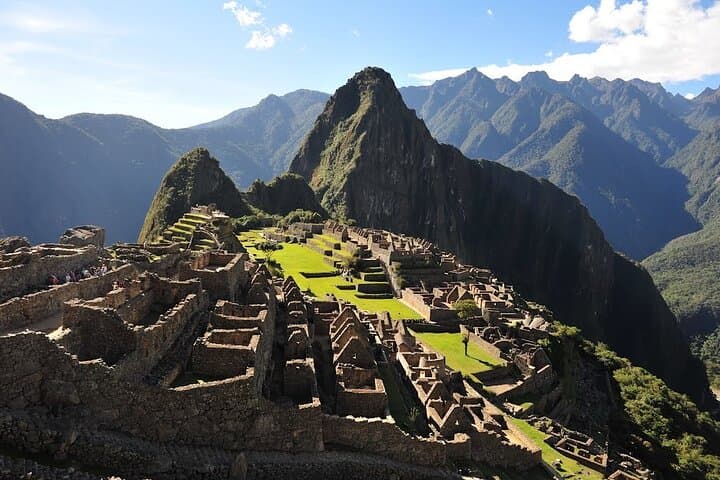
Geology here reads like a field guide: uplifted Ordovician and Cretaceous formations carved by glaciers, with mineral veins that stain mountains red, green and ochre—the same chemistry that makes Rainbow Mountain’s stripes. Machu Picchu sits on a granite ridge above the Urubamba River, an engineered urban ruin at 2,430 m framed by steep terraces and sacred rock work.
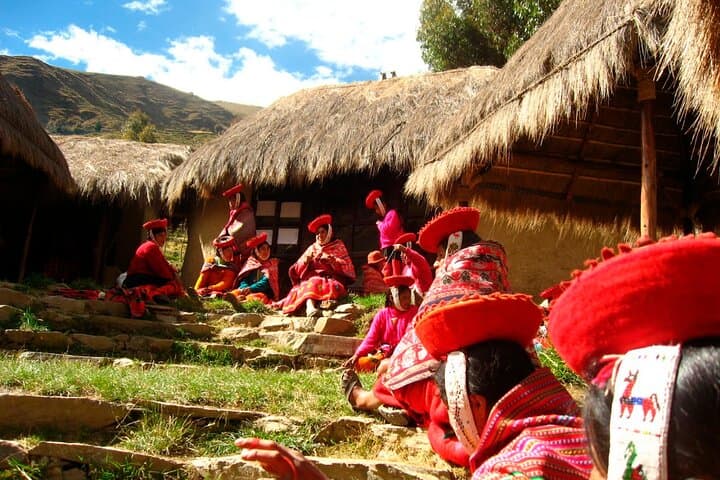
Culture is present at every turn: Quechua-speaking communities maintain weaving techniques and ritual relationships with water and mountain spirits. Conservation is active—visitor caps at Machu Picchu and local stewardship efforts aim to limit erosion and traffic.
Practical guidance: allow 48–72 hours in Cusco to acclimatize; expect multiple short hikes of 3–12 km with elevation gains from 400–1,500 m on uneven, rocky trails. Carry layered clothing for sun, wind and sudden cold, and plan early starts to beat afternoon weather and crowds. Hydrate, use SPF and consider trekking poles for steep ascents. With good planning, this loop balances archaeology, culture and high-altitude trekking into an accessible—but demanding—Andean experience.
challenging.
4–5 days.
Suitable for travelers with good cardiovascular fitness and prior high-altitude hiking experience; expect sustained uphill sections and long travel days.
The itinerary states Machu Picchu entrance is included if booked at least two months in advance; otherwise contact the operator for alternatives.
Rainbow Mountain is a moderately challenging hike at extreme altitude (around 5,020 m) with steep sections; horses can be rented for assistance.
Yes—carry Peruvian soles for small purchases, tips, and optional horse rentals; many small vendors do not accept cards.
The tour includes breakfasts, several lunches and dinners, plus round-trip transportation for listed excursions and train tickets where specified; verify which meals are provided per day.
Cusco was the administrative heart of the Inca Empire; many nearby sites (Sacsayhuamán, Ollantaytambo) combine military, agricultural and ceremonial functions dating from the 15th century.
High foot traffic and fragile alpine vegetation make trail management and regulated entry essential; stick to paths, avoid single-use plastics, and respect local guidelines.
Mega Expeditions operates guided outdoor trips and adventures with an emphasis on safety, stewardship, and memorable experiences.

Morning light breaks over Plaza de Armas and the air is thin and bright—the Andes demand attention. On this five-day loop from Cusco, travelers move from cobbled colonial streets to high alpine plateaus, trading city bells for the wind that shapes the high peaks. You’ll begin with a half-day city tour of Qoricancha and Sacsayhuamán, then push into the Sacred Valley’s living landscapes: textile villages at Chinchero, the concentric agricultural bowls at Moray, and the salt terraces of Maras.
Morning light breaks over Plaza de Armas and the air is thin and bright—the Andes demand attention. On this five-day loop from Cusco, travelers move from cobbled colonial streets to high alpine plateaus, trading city bells for the wind that shapes the high peaks. You’ll begin with a half-day city tour of Qoricancha and Sacsayhuamán, then push into the Sacred Valley’s living landscapes: textile villages at Chinchero, the concentric agricultural bowls at Moray, and the salt terraces of Maras.
Geology here reads like a field guide: uplifted Ordovician and Cretaceous formations carved by glaciers, with mineral veins that stain mountains red, green and ochre—the same chemistry that makes Rainbow Mountain’s stripes. Machu Picchu sits on a granite ridge above the Urubamba River, an engineered urban ruin at 2,430 m framed by steep terraces and sacred rock work.
Culture is present at every turn: Quechua-speaking communities maintain weaving techniques and ritual relationships with water and mountain spirits. Conservation is active—visitor caps at Machu Picchu and local stewardship efforts aim to limit erosion and traffic.
Practical guidance: allow 48–72 hours in Cusco to acclimatize; expect multiple short hikes of 3–12 km with elevation gains from 400–1,500 m on uneven, rocky trails. Carry layered clothing for sun, wind and sudden cold, and plan early starts to beat afternoon weather and crowds. Hydrate, use SPF and consider trekking poles for steep ascents. With good planning, this loop balances archaeology, culture and high-altitude trekking into an accessible—but demanding—Andean experience.