THE ADVENTURE COLLECTIVE® · Independent discovery and booking for outdoor travel

A compact five‑day loop from historic Cusco through the Sacred Valley to Machu Picchu, this trip pairs Inca engineering and high‑Andean landscapes with practical logistics—train transfers, guided site access and overnight stays in Aguas Calientes.
A compact five‑day loop from historic Cusco through the Sacred Valley to Machu Picchu, this trip pairs Inca engineering and high‑Andean landscapes with practical logistics—train transfers, guided site access and overnight stays in Aguas Calientes.
You step out onto a high-Andean morning in Cusco and the air cuts clear and cool; stone streets lead uphill toward plazas still shaped by Inca planning, and the mountains press close like patient hosts. Over five days this itinerary moves from city ruins and ceremonial terraces to the terraced bowls of Moray and the glittering pans of Maras, ending at the cloud-fringed citadel of Machu Picchu.
Verified experiences and guided adventures in the surrounding area.
Operated by Travel PERU in love · Cusco, Cusco
You step out onto a high-Andean morning in Cusco and the air cuts clear and cool; stone streets lead uphill toward plazas still shaped by Inca planning, and the mountains press close like patient hosts. Over five days this itinerary moves from city ruins and ceremonial terraces to the terraced bowls of Moray and the glittering pans of Maras, ending at the cloud-fringed citadel of Machu Picchu.
Cusco sits at roughly 3,400 m, originally the capital of the Inca Empire, and its streets and museums trace a history of astronomical observation and complex stonework. The Sacred Valley—low enough for productive agriculture—features Ollantaytambo’s fortress terraces and Pisac’s hilltop platforms; Moray’s concentric depressions reveal an agricultural laboratory where temperature shifts created microclimates. Maras’ salt pans descend the slope in stepped pans that have been harvested since pre-Inca times.
Expect mixed terrain: cobbled colonial streets, packed dirt trails, short stair climbs at archaeological sites, and gentle valley bus transfers. Machu Picchu sits at 2,430 m, reached by a 1–1.5 hour shuttle from Aguas Calientes or by walking steeper stone ramps. Acclimatization matters—your body will be the deciding factor.
Practically: bring layered clothing for 10–20°C swings, sturdy walking shoes, sun and insect protection, and a reusable water bottle. Carry your passport for site entry and keep a light daypack for camera, rain layer and snacks. Trains run on fixed schedules—plan connections and allow buffer time. Move deliberately, respect trail closures, and let the mountains reveal themselves slowly.
moderate.
5 days (multi-day tour).
Suitable for travelers with moderate fitness: regular walking, stair climbs and brief hikes at altitude.
Yes—entrance slots and train seats are limited and often sell out; book both well ahead of travel dates.
Cusco’s elevation (~3,400 m) can cause mild to moderate symptoms; acclimatize, drink fluids, avoid heavy alcohol and alt-intense exertion early in the trip.
The tour includes 4 breakfasts, specified lunches, three‑night hotel in Cusco and one night in Aguas Calientes as listed in the itinerary.
This operator notes the trip is not recommended for pregnant travelers—consult your physician before booking.
Cusco was the administrative and ceremonial heart of the Inca Empire; Moray likely functioned as an experimental agricultural center and Maras supplied salt as an economic staple since pre-Inca times.
Machu Picchu operates with visitor caps and timed entries—follow designated paths, avoid off-trail exploration and pack out waste to reduce erosion and wildlife disturbance.
Travel PERU in love operates guided outdoor trips and adventures with an emphasis on safety, stewardship, and memorable experiences.
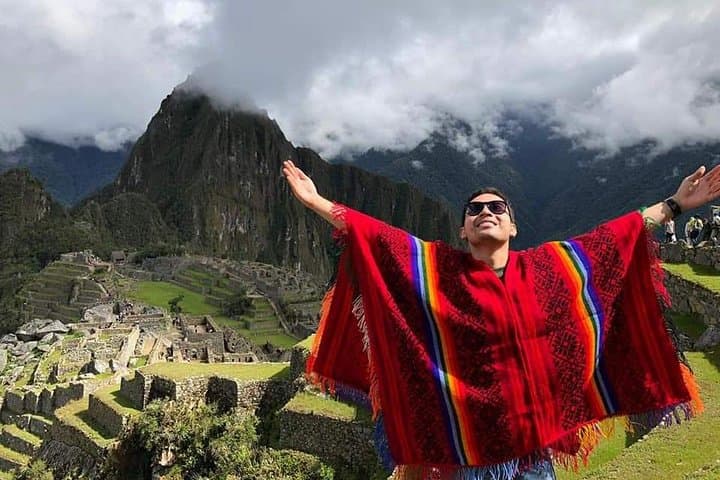
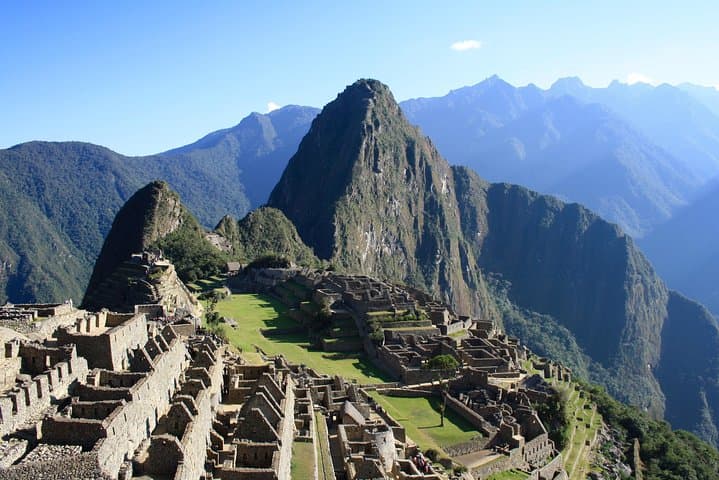
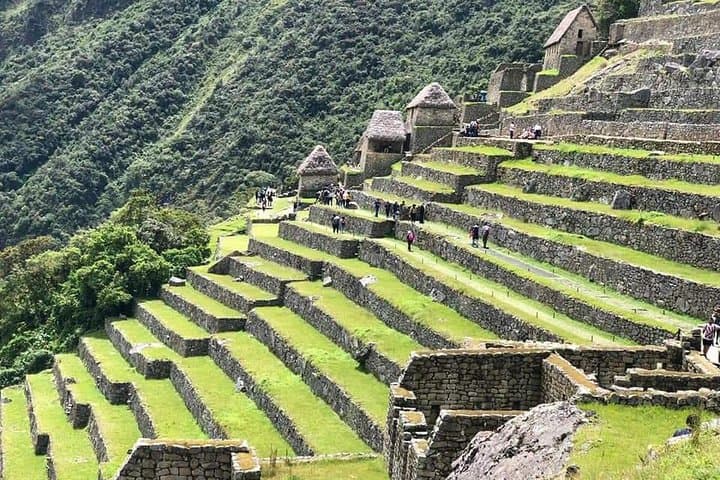
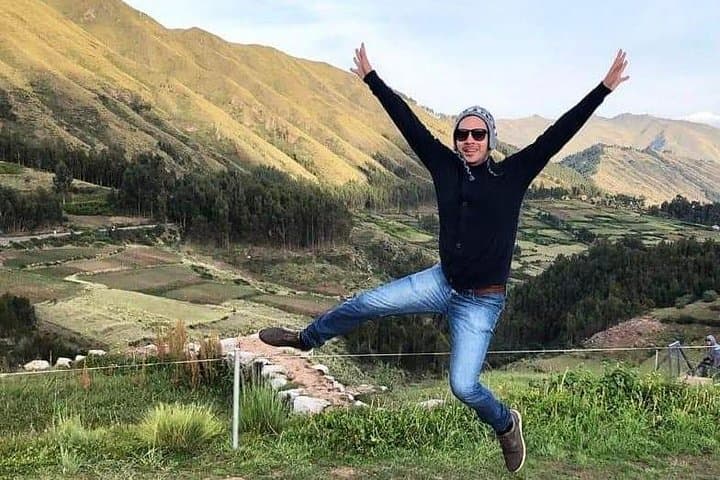
You step out onto a high-Andean morning in Cusco and the air cuts clear and cool; stone streets lead uphill toward plazas still shaped by Inca planning, and the mountains press close like patient hosts. Over five days this itinerary moves from city ruins and ceremonial terraces to the terraced bowls of Moray and the glittering pans of Maras, ending at the cloud-fringed citadel of Machu Picchu.
You step out onto a high-Andean morning in Cusco and the air cuts clear and cool; stone streets lead uphill toward plazas still shaped by Inca planning, and the mountains press close like patient hosts. Over five days this itinerary moves from city ruins and ceremonial terraces to the terraced bowls of Moray and the glittering pans of Maras, ending at the cloud-fringed citadel of Machu Picchu.
Cusco sits at roughly 3,400 m, originally the capital of the Inca Empire, and its streets and museums trace a history of astronomical observation and complex stonework. The Sacred Valley—low enough for productive agriculture—features Ollantaytambo’s fortress terraces and Pisac’s hilltop platforms; Moray’s concentric depressions reveal an agricultural laboratory where temperature shifts created microclimates. Maras’ salt pans descend the slope in stepped pans that have been harvested since pre-Inca times.
Expect mixed terrain: cobbled colonial streets, packed dirt trails, short stair climbs at archaeological sites, and gentle valley bus transfers. Machu Picchu sits at 2,430 m, reached by a 1–1.5 hour shuttle from Aguas Calientes or by walking steeper stone ramps. Acclimatization matters—your body will be the deciding factor.
Practically: bring layered clothing for 10–20°C swings, sturdy walking shoes, sun and insect protection, and a reusable water bottle. Carry your passport for site entry and keep a light daypack for camera, rain layer and snacks. Trains run on fixed schedules—plan connections and allow buffer time. Move deliberately, respect trail closures, and let the mountains reveal themselves slowly.