THE ADVENTURE COLLECTIVE® · Independent discovery and booking for outdoor travel

Five days of high-Andean history and hard-earned panoramas: explore Cusco’s colonial and Inca sites, ride the Sacred Valley train to Machu Picchu, and summit Rainbow Mountain’s colorful ridge. Practical timing, altitude tips, and terrain notes to help you plan.
Five days of high-Andean history and hard-earned panoramas: explore Cusco’s colonial and Inca sites, ride the Sacred Valley train to Machu Picchu, and summit Rainbow Mountain’s colorful ridge. Practical timing, altitude tips, and terrain notes to help you plan.
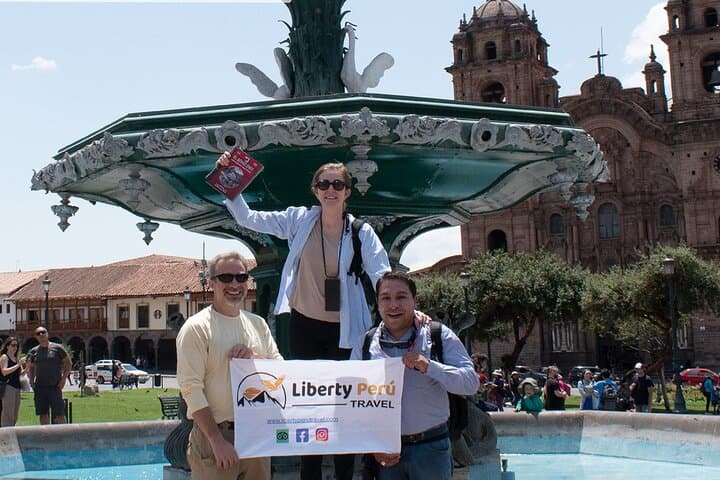
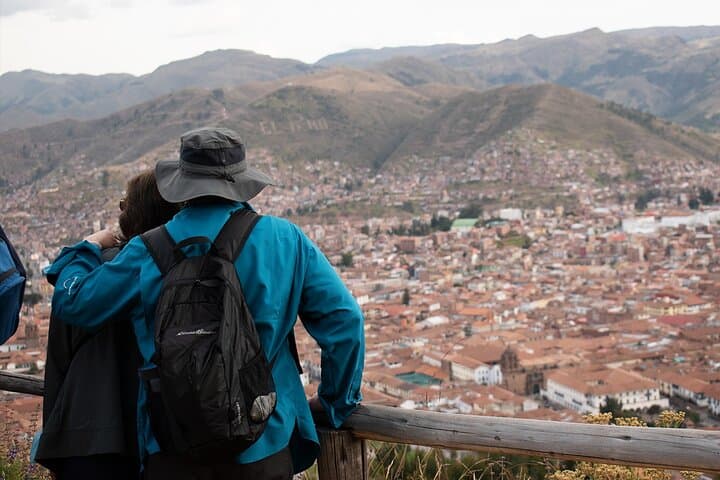
You step out into Cusco’s thin air and the city greets you with a network of cobbled streets, colonial balconies, and the distant cut of terraced hills. Afternoon light hits the Cathedral’s baroque facades; later, the skyline opens to Sacsayhuamán’s massive stonework and the Andes beyond. Two days later a train snakes down the Urubamba, depositing you at Aguas Calientes before dawn’s bus climb to Machu Picchu, where mist reveals Inca masonry balanced on steep ridgelines. The last high day delivers Vinicunca’s striated slopes—mineral bands of iron, copper and sulfur—at 5,020 m.
Verified experiences and guided adventures in the surrounding area.
Operated by LIBERTREK PERU TRAVEL · Cusco, Cusco
You step out into Cusco’s thin air and the city greets you with a network of cobbled streets, colonial balconies, and the distant cut of terraced hills. Afternoon light hits the Cathedral’s baroque facades; later, the skyline opens to Sacsayhuamán’s massive stonework and the Andes beyond. Two days later a train snakes down the Urubamba, depositing you at Aguas Calientes before dawn’s bus climb to Machu Picchu, where mist reveals Inca masonry balanced on steep ridgelines. The last high day delivers Vinicunca’s striated slopes—mineral bands of iron, copper and sulfur—at 5,020 m.
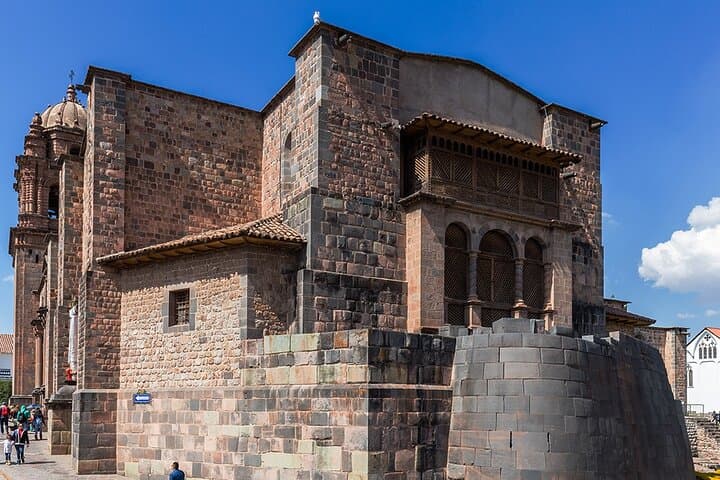
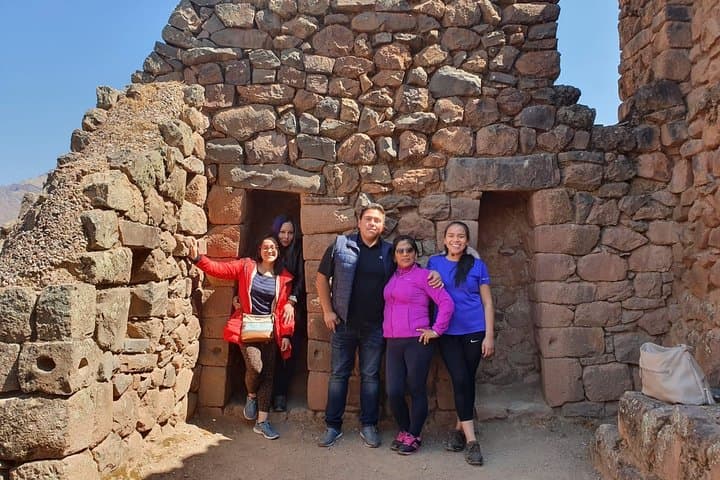
This five-day itinerary threads culture and geology: Cusco as the historic Inca capital, Spanish colonial overlays in Koricancha and the Cathedral, and the Sacred Valley’s agricultural engineering—Pisac terraces and Ollantaytambo’s living Inca streets. Geologically, Rainbow Mountain’s colors are erosion-exposed sedimentary layers oxidized by altitude weathering; Machu Picchu sits on a steep granitic ridge carved by the Vilcanota (Urubamba) river.
Practical guidance: allow 48 hours for basic acclimatization in Cusco (3,400 m), and budget for short, steep hikes—Rainbow Mountain climbs ~700 m in 1.5–2 hours on rocky, sometimes muddy trails (lowest ~4,326 m). Machu Picchu involves 1.5–3 hours of walking on uneven stone paths at ~2,430 m; trains from Ollantaytambo are ~2 hours, the bus to the sanctuary ~30 minutes. Bring layered clothing, sturdy waterproof boots, sun protection, a 2–3 liter hydration system, and altitude medication if you have prior sensitivity. Timed entrances and trained guides keep logistics tight—plan for early starts, light days between big climbs, and respect local regulations that limit visitor numbers at key sites.
challenging.
4–5 days.
Moderate to good cardiovascular fitness with ability to hike on uneven ground and tolerate high altitude.
Yes—spend at least one full day in Cusco to acclimatize; consider two days if you’re sensitive to altitude and drink extra fluids and avoid heavy alcohol.
This package includes Machu Picchu entrance and the train/bus logistics, but you must carry passport details for ticketing and entry control.
Expect a steep 1.5–2 hour ascent with ~700 m elevation gain from the trailhead; the trail is high altitude and can be physically demanding even if short.
The dry season (May–September) offers clearer skies and firmer trails, while the wet season (November–March) brings more rain and trail muddiness.
Cusco was the administrative and spiritual center of the Inca Empire; many Sacred Valley towns preserve living Quechua traditions and continuous occupation since pre-Columbian times.
Machu Picchu and surrounding trails have strict visitor quotas and regulated routes to limit erosion; practice leave-no-trace and support local operators who reinvest in community conservation.
LIBERTREK PERU TRAVEL operates guided outdoor trips and adventures with an emphasis on safety, stewardship, and memorable experiences.
You step out into Cusco’s thin air and the city greets you with a network of cobbled streets, colonial balconies, and the distant cut of terraced hills. Afternoon light hits the Cathedral’s baroque facades; later, the skyline opens to Sacsayhuamán’s massive stonework and the Andes beyond. Two days later a train snakes down the Urubamba, depositing you at Aguas Calientes before dawn’s bus climb to Machu Picchu, where mist reveals Inca masonry balanced on steep ridgelines. The last high day delivers Vinicunca’s striated slopes—mineral bands of iron, copper and sulfur—at 5,020 m.
You step out into Cusco’s thin air and the city greets you with a network of cobbled streets, colonial balconies, and the distant cut of terraced hills. Afternoon light hits the Cathedral’s baroque facades; later, the skyline opens to Sacsayhuamán’s massive stonework and the Andes beyond. Two days later a train snakes down the Urubamba, depositing you at Aguas Calientes before dawn’s bus climb to Machu Picchu, where mist reveals Inca masonry balanced on steep ridgelines. The last high day delivers Vinicunca’s striated slopes—mineral bands of iron, copper and sulfur—at 5,020 m.
This five-day itinerary threads culture and geology: Cusco as the historic Inca capital, Spanish colonial overlays in Koricancha and the Cathedral, and the Sacred Valley’s agricultural engineering—Pisac terraces and Ollantaytambo’s living Inca streets. Geologically, Rainbow Mountain’s colors are erosion-exposed sedimentary layers oxidized by altitude weathering; Machu Picchu sits on a steep granitic ridge carved by the Vilcanota (Urubamba) river.
Practical guidance: allow 48 hours for basic acclimatization in Cusco (3,400 m), and budget for short, steep hikes—Rainbow Mountain climbs ~700 m in 1.5–2 hours on rocky, sometimes muddy trails (lowest ~4,326 m). Machu Picchu involves 1.5–3 hours of walking on uneven stone paths at ~2,430 m; trains from Ollantaytambo are ~2 hours, the bus to the sanctuary ~30 minutes. Bring layered clothing, sturdy waterproof boots, sun protection, a 2–3 liter hydration system, and altitude medication if you have prior sensitivity. Timed entrances and trained guides keep logistics tight—plan for early starts, light days between big climbs, and respect local regulations that limit visitor numbers at key sites.