THE ADVENTURE COLLECTIVE® · Independent discovery and booking for outdoor travel

Trace the Inca heartland from Cusco’s stone streets to Machu Picchu over five days. This guided loop through Pisac, Ollantaytambo, Moray and the Maras salt pans blends archaeology, highland culture and scenic train rides.
Trace the Inca heartland from Cusco’s stone streets to Machu Picchu over five days. This guided loop through Pisac, Ollantaytambo, Moray and the Maras salt pans blends archaeology, highland culture and scenic train rides.
You step off the bus into thin, cool air and the stones of Cusco feel older than the city you just left. Streets slope toward plazas lined with baroque churches; the Andes rise like a folded map around you. On this five-day circuit you move from urban ruins to stepped terraces, from the Vilcanota River valley to the cloud-touched citadel of Machu Picchu.
Verified experiences and guided adventures in the surrounding area.
Operated by Machupicchu Holiday · Cusco, Cusco
You step off the bus into thin, cool air and the stones of Cusco feel older than the city you just left. Streets slope toward plazas lined with baroque churches; the Andes rise like a folded map around you. On this five-day circuit you move from urban ruins to stepped terraces, from the Vilcanota River valley to the cloud-touched citadel of Machu Picchu.
Cusco was the heart of the Inca empire, and the route through Pisac, Ollantaytambo and Moray tracks how the Incas shaped altitude and microclimates. Moray’s concentric bowls show deliberate soil science, while the Maras salt pools trace pre-Inca and colonial economies etched into the mountain’s flank. Geology here is granite and volcanic remnant, carved by rivers that dare you to follow their narrow courses downhill.
Local culture remains tied to agriculture and weaving; markets hum with highland corn, ch’arki and handwoven textiles. Guides explain how terraces, irrigation channels and communal land use sustained these valleys for centuries.
Practical guidance: plan for altitude—allow a day in Cusco to acclimatize, hydrate and keep activity light. Expect walking on uneven stone at archaeological sites and a short uphill bus ride at Machu Picchu. Trains run from Ollantaytambo to Aguas Calientes; bring layers for cold mornings and rain gear for sudden showers. Carry your passport for site entry, comfortable trekking shoes, and a daypack with snacks and water. With sensible pacing, this five-day route balances cultural immersion, manageable hikes and unforgettable mountain views.
moderate.
5 days.
Light to moderate fitness required—short hikes and long days of walking at altitude; cardio conditioning helps.
Yes—Cusco sits around 3,400 m (11,150 ft). Plan a rest day on arrival, hydrate, avoid heavy meals and consider acetazolamide if recommended by a doctor.
This itinerary includes guided visits but verify exact ticket types—bring your passport to match the ticket name for entry.
Expect 1.5–3 hours of guided walking on uneven stone; optional additional hikes (e.g., Huayna Picchu) require separate permits and extra fitness.
Most guides operate in English and Spanish; confirm language availability at booking and request translations if needed.
Cusco was the administrative center of the Inca empire; Moray’s circular terraces functioned as high-altitude agricultural labs, while Maras salt pans predate the Incas.
Machu Picchu enforces timed entry and trail routes to limit erosion and crowding; stick to marked paths, pack out waste and respect local communities.
Machupicchu Holiday operates guided outdoor trips and adventures with an emphasis on safety, stewardship, and memorable experiences.
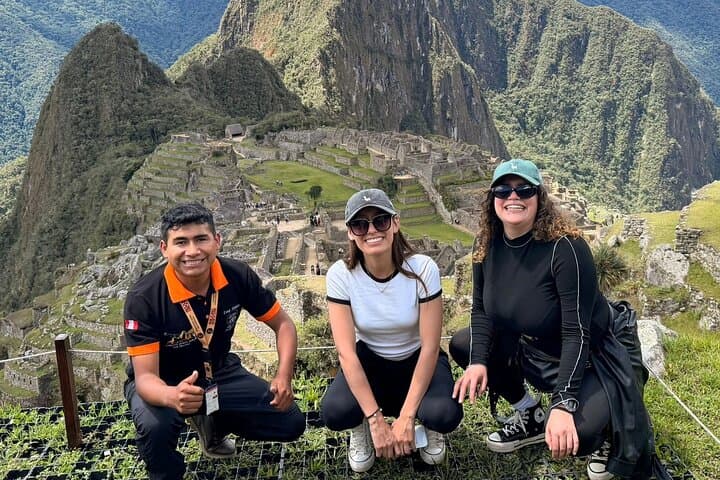
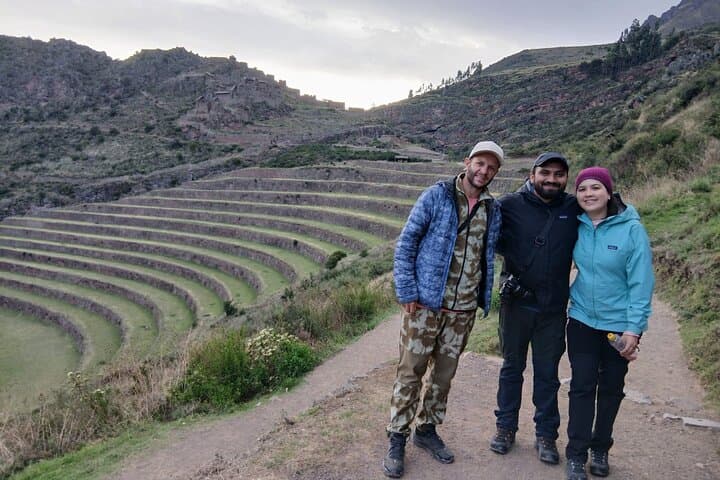
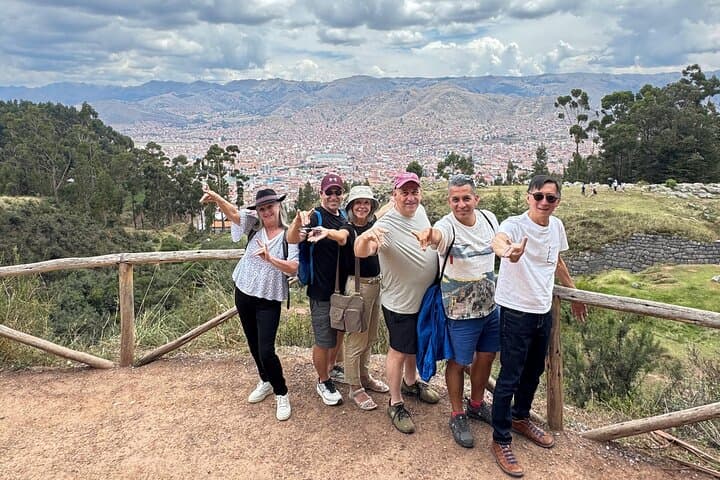
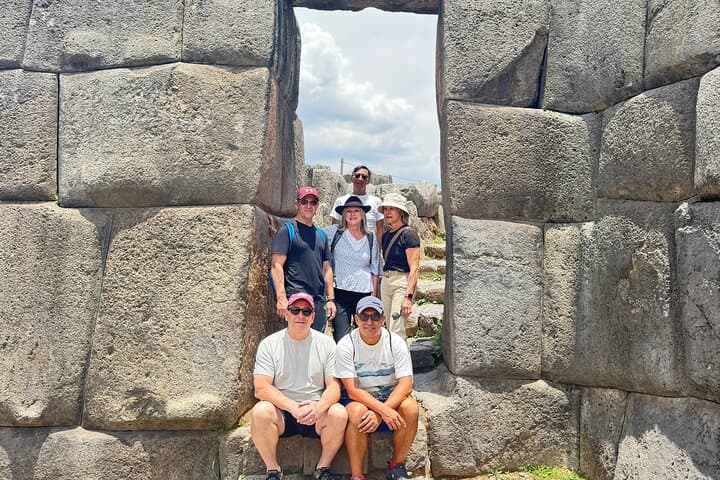
You step off the bus into thin, cool air and the stones of Cusco feel older than the city you just left. Streets slope toward plazas lined with baroque churches; the Andes rise like a folded map around you. On this five-day circuit you move from urban ruins to stepped terraces, from the Vilcanota River valley to the cloud-touched citadel of Machu Picchu.
You step off the bus into thin, cool air and the stones of Cusco feel older than the city you just left. Streets slope toward plazas lined with baroque churches; the Andes rise like a folded map around you. On this five-day circuit you move from urban ruins to stepped terraces, from the Vilcanota River valley to the cloud-touched citadel of Machu Picchu.
Cusco was the heart of the Inca empire, and the route through Pisac, Ollantaytambo and Moray tracks how the Incas shaped altitude and microclimates. Moray’s concentric bowls show deliberate soil science, while the Maras salt pools trace pre-Inca and colonial economies etched into the mountain’s flank. Geology here is granite and volcanic remnant, carved by rivers that dare you to follow their narrow courses downhill.
Local culture remains tied to agriculture and weaving; markets hum with highland corn, ch’arki and handwoven textiles. Guides explain how terraces, irrigation channels and communal land use sustained these valleys for centuries.
Practical guidance: plan for altitude—allow a day in Cusco to acclimatize, hydrate and keep activity light. Expect walking on uneven stone at archaeological sites and a short uphill bus ride at Machu Picchu. Trains run from Ollantaytambo to Aguas Calientes; bring layers for cold mornings and rain gear for sudden showers. Carry your passport for site entry, comfortable trekking shoes, and a daypack with snacks and water. With sensible pacing, this five-day route balances cultural immersion, manageable hikes and unforgettable mountain views.