THE ADVENTURE COLLECTIVE® · Independent discovery and booking for outdoor travel

This short Inca Trail itinerary squeezes the highlight—Wiñay Wayna, cloud forest walking and the Sun Gate reveal—into a focused two-day trip with one night in Aguas Calientes and a guided morning at Machu Picchu.
This short Inca Trail itinerary squeezes the highlight—Wiñay Wayna, cloud forest walking and the Sun Gate reveal—into a focused two-day trip with one night in Aguas Calientes and a guided morning at Machu Picchu.
Dawn arrives before most of Cusco is awake: a predawn pickup, a train to Km 104 and the first soft light on mossy Inca stone. The trail climbs out of the railway corridor into cloud forest, the air cool and fragrant with orchids and fern. After a series of stepped terraces and narrow switchbacks you crest at an Inca ruin and the Sun Gate frames the first view of Machu Picchu—an abrupt, echoing reveal that pulls hard at the chest.
Verified experiences and guided adventures in the surrounding area.
Operated by M&R Machupicchu Expeditions · Aguas Calientes (Machupicchu Pueblo), Cusco Region
Dawn arrives before most of Cusco is awake: a predawn pickup, a train to Km 104 and the first soft light on mossy Inca stone. The trail climbs out of the railway corridor into cloud forest, the air cool and fragrant with orchids and fern. After a series of stepped terraces and narrow switchbacks you crest at an Inca ruin and the Sun Gate frames the first view of Machu Picchu—an abrupt, echoing reveal that pulls hard at the chest.
The route follows original Inca caminos and later stone stairways carved into the Andean flank. Geologically, the valley cuts through volcanic and sedimentary rock with talus slopes and steep river-cut cliffs; Manuel’s engineers routed terraces into the contours, so expect firm stonework interrupted by muddy forest paths where cloud moisture drips steadily.
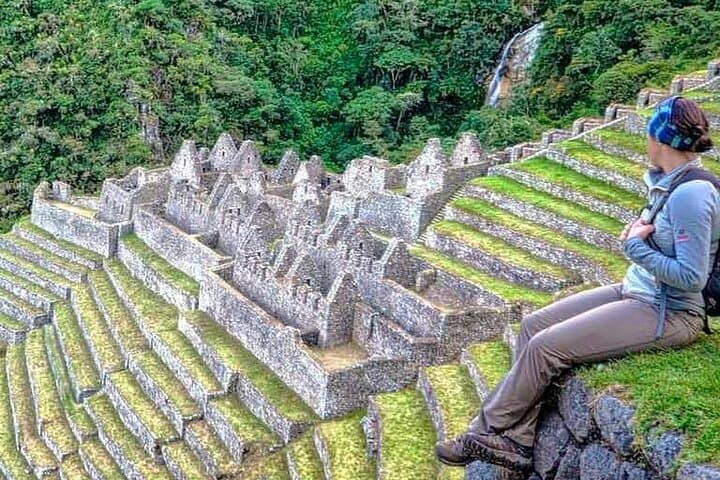
Culturally, the short trail threads past Wiñay Wayna and smaller ruins that speak to agricultural ingenuity and ceremonial movement along sacred lines; local guides will weave Quechua stories with pragmatic route notes. The experience is compact—roughly 10–12 km of walking with intermittent climbs and cumulative ascent around 300–700 m depending on routes taken—making it accessible for fit beginners.
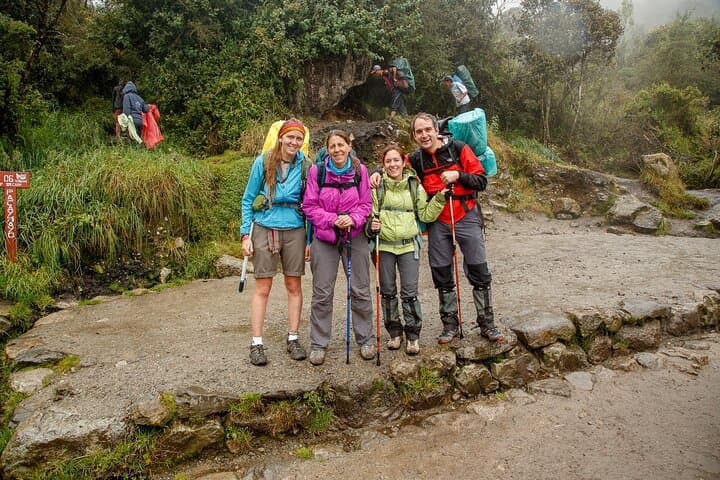
Practical guidance: hike light, carry a daypack with water, a waterproof layer, and sturdy boots with grip for wet stone steps. Morning starts are early to beat crowds and secure sunrise views; altitude is real—stay hydrated and sleep a night in Cusco beforehand if possible. Expect a guided 90–120 minute tour of the citadel and free time to explore before a midday return to Aguas Calientes and the train back to the Sacred Valley.
moderate.
2 days.
Moderate fitness—comfortable with several hours of walking on uneven terrain and stone stairs.
Expect about 10–12 km of walking from Km 104 to Aguas Calientes with 3–6 hours of moving time depending on pace and stops.
Yes—entrance to the Inca Trail and Machu Picchu is regulated; this tour includes the necessary trail and Machu Picchu permits.
The route is shorter than the classic four-day trek and works for fit beginners and older children, but travelers should be comfortable with stairs and some elevation change.
Altitude can affect anyone; acclimatize in Cusco, drink plenty of water, move at a steady pace and notify guides if you feel persistent dizziness or severe symptoms.
Small archaeological sites along the short trail were waystations and agricultural plots linked to Machu Picchu’s economic and ceremonial network.
Strict permitting and controlled daily visitor numbers aim to limit erosion and cultural impact; follow leave-no-trace rules and stay on designated paths.
M&R Machupicchu Expeditions operates guided outdoor trips and adventures with an emphasis on safety, stewardship, and memorable experiences.

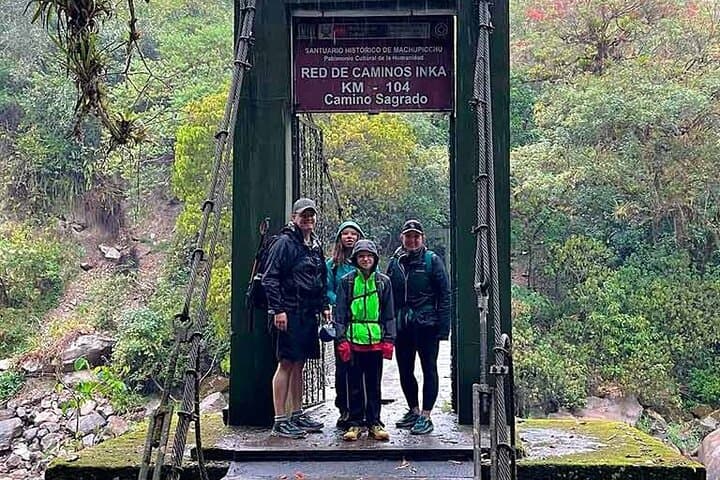
Dawn arrives before most of Cusco is awake: a predawn pickup, a train to Km 104 and the first soft light on mossy Inca stone. The trail climbs out of the railway corridor into cloud forest, the air cool and fragrant with orchids and fern. After a series of stepped terraces and narrow switchbacks you crest at an Inca ruin and the Sun Gate frames the first view of Machu Picchu—an abrupt, echoing reveal that pulls hard at the chest.
Dawn arrives before most of Cusco is awake: a predawn pickup, a train to Km 104 and the first soft light on mossy Inca stone. The trail climbs out of the railway corridor into cloud forest, the air cool and fragrant with orchids and fern. After a series of stepped terraces and narrow switchbacks you crest at an Inca ruin and the Sun Gate frames the first view of Machu Picchu—an abrupt, echoing reveal that pulls hard at the chest.
The route follows original Inca caminos and later stone stairways carved into the Andean flank. Geologically, the valley cuts through volcanic and sedimentary rock with talus slopes and steep river-cut cliffs; Manuel’s engineers routed terraces into the contours, so expect firm stonework interrupted by muddy forest paths where cloud moisture drips steadily.
Culturally, the short trail threads past Wiñay Wayna and smaller ruins that speak to agricultural ingenuity and ceremonial movement along sacred lines; local guides will weave Quechua stories with pragmatic route notes. The experience is compact—roughly 10–12 km of walking with intermittent climbs and cumulative ascent around 300–700 m depending on routes taken—making it accessible for fit beginners.
Practical guidance: hike light, carry a daypack with water, a waterproof layer, and sturdy boots with grip for wet stone steps. Morning starts are early to beat crowds and secure sunrise views; altitude is real—stay hydrated and sleep a night in Cusco beforehand if possible. Expect a guided 90–120 minute tour of the citadel and free time to explore before a midday return to Aguas Calientes and the train back to the Sacred Valley.