THE ADVENTURE COLLECTIVE® · Independent discovery and booking for outdoor travel

A full‑day private tour across the Curonian Spit guides you from Juodkrantė’s Amber Bay to the wind‑sculpted Parnidis Dune, combining dune walks, amber history, and the Thomas Mann museum. Expect climbs, shifting sand, and intimate cultural stops with private transport and included admissions.
A full‑day private tour across the Curonian Spit guides you from Juodkrantė’s Amber Bay to the wind‑sculpted Parnidis Dune, combining dune walks, amber history, and the Thomas Mann museum. Expect climbs, shifting sand, and intimate cultural stops with private transport and included admissions.
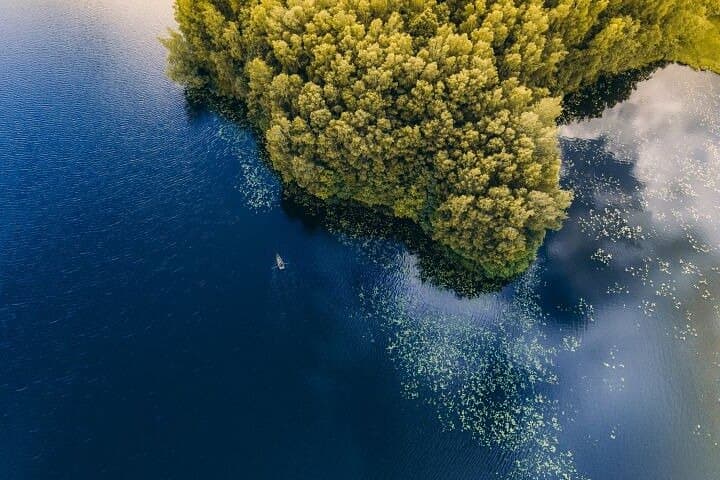
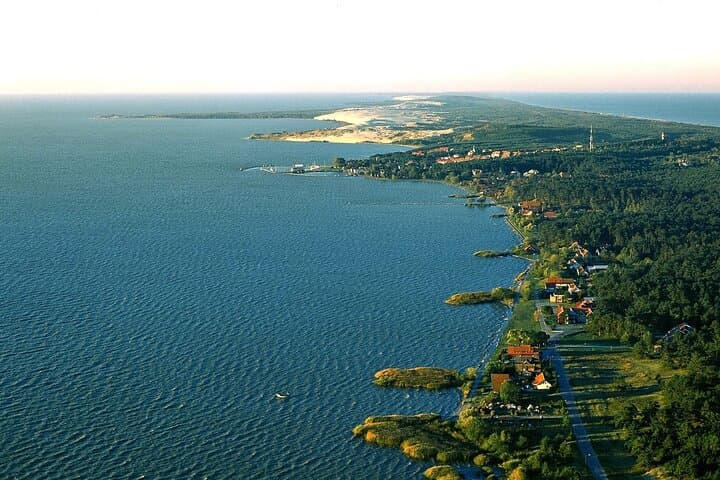
You step out of the minivan to wind and sand—cold Baltic breath pushing across a slope of bleached dune grass as a lone gull circles above. The Curonian Spit opens like a long, narrow spine between sea and lagoon: a ribbon of sand roughly 100 kilometres long and just 0.4–4 km wide, where wind carves sudden ridges and the forest fights to hold the sand in place.
Verified experiences and guided adventures in the surrounding area.
Operated by Klaipeda Tours · Nida, Klaipėda County
You step out of the minivan to wind and sand—cold Baltic breath pushing across a slope of bleached dune grass as a lone gull circles above. The Curonian Spit opens like a long, narrow spine between sea and lagoon: a ribbon of sand roughly 100 kilometres long and just 0.4–4 km wide, where wind carves sudden ridges and the forest fights to hold the sand in place.
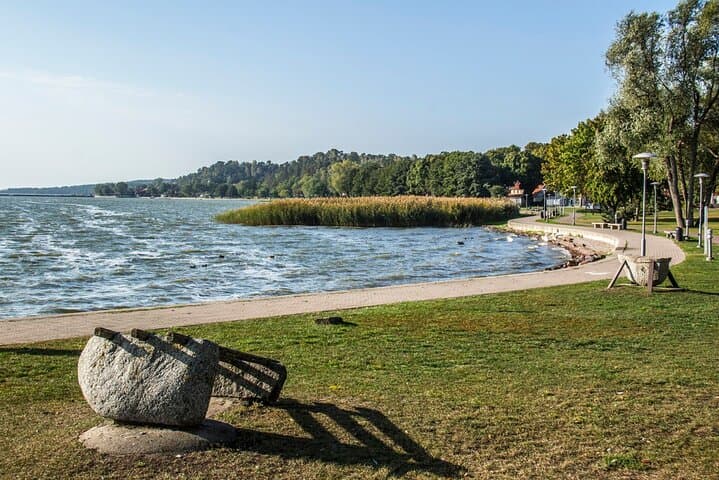
This private day tour threads together Juodkrantė’s stone sculptures and Amber Bay, the grey Dead Dunes with their hidden cemeteries, the 50‑meter rise of Parnidis Dune, and the Thomas Mann Memorial. The spit’s geology is active—wind‑driven sand buries and reveals human traces—and its history is equally layered: centuries of fishing and amber trade, migratory routes for birds, and a cultural pull that drew writers like Mann. Amber workshops and small museums explain how resin became currency and craft for coastal communities.
Practically, expect a 7–8 hour outing with multiple short walks, dune climbs and museum stops; Dead Dunes includes an educational trail of about 1 km and Parnidis demands a steady climb to the ridge. Dress in windproof layers, sturdy shoes for shifting sand, and sun protection; bring water, a camera, and modest footwear for wooden walkways. Guides typically include private transport and most entrance fees (Dead Dunes, Thomas Mann Museum), but carry a card for incidental purchases. Time your visit for morning or late afternoon light and quieter paths, and stay on marked trails: these dunes are protected and easy to damage. The tour balances natural spectacle with cultural context—good for hikers with moderate fitness who want a full‑day introduction to one of the Baltic’s most unusual landscapes.
moderate.
7–8 hours.
Moderate fitness: you should be comfortable with multiple short climbs and walking on soft sand.
The private tour runs about 7–8 hours and typically includes private transport, entrance to Dead Dunes and the Thomas Mann Museum, and guided visits to Juodkrantė, Parnidis Dune, and amber exhibits.
Some areas, like village stops and museums, are stroller‑accessible, but dune trails and Parnidis require carrying children and more effort.
Most entrance fees are included, but bring a card or small cash for souvenirs, refreshments, or optional amber purchases.
Partial participation is possible—museums and some viewpoints are accessible, but climbing dunes requires moderate mobility and stamina.
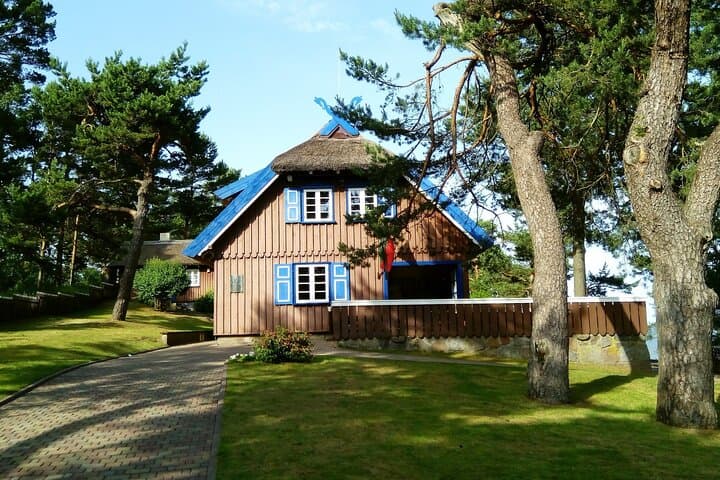
The spit has been shaped by fishing, amber trade and repeated efforts to stabilize wind‑blown sand; Thomas Mann owned a summer house here in the 1920s. It became a UNESCO World Heritage Site shared by Lithuania and Russia in 2000.
The dunes are actively managed—forestry, fenced corridors and replanting protect villages and habitats. Visitors should stay on trails, avoid removing amber or plants, and follow local guidance to minimize impact.
Klaipeda Tours operates guided outdoor trips and adventures with an emphasis on safety, stewardship, and memorable experiences.
You step out of the minivan to wind and sand—cold Baltic breath pushing across a slope of bleached dune grass as a lone gull circles above. The Curonian Spit opens like a long, narrow spine between sea and lagoon: a ribbon of sand roughly 100 kilometres long and just 0.4–4 km wide, where wind carves sudden ridges and the forest fights to hold the sand in place.
You step out of the minivan to wind and sand—cold Baltic breath pushing across a slope of bleached dune grass as a lone gull circles above. The Curonian Spit opens like a long, narrow spine between sea and lagoon: a ribbon of sand roughly 100 kilometres long and just 0.4–4 km wide, where wind carves sudden ridges and the forest fights to hold the sand in place.
This private day tour threads together Juodkrantė’s stone sculptures and Amber Bay, the grey Dead Dunes with their hidden cemeteries, the 50‑meter rise of Parnidis Dune, and the Thomas Mann Memorial. The spit’s geology is active—wind‑driven sand buries and reveals human traces—and its history is equally layered: centuries of fishing and amber trade, migratory routes for birds, and a cultural pull that drew writers like Mann. Amber workshops and small museums explain how resin became currency and craft for coastal communities.
Practically, expect a 7–8 hour outing with multiple short walks, dune climbs and museum stops; Dead Dunes includes an educational trail of about 1 km and Parnidis demands a steady climb to the ridge. Dress in windproof layers, sturdy shoes for shifting sand, and sun protection; bring water, a camera, and modest footwear for wooden walkways. Guides typically include private transport and most entrance fees (Dead Dunes, Thomas Mann Museum), but carry a card for incidental purchases. Time your visit for morning or late afternoon light and quieter paths, and stay on marked trails: these dunes are protected and easy to damage. The tour balances natural spectacle with cultural context—good for hikers with moderate fitness who want a full‑day introduction to one of the Baltic’s most unusual landscapes.