THE ADVENTURE COLLECTIVE® · Independent discovery and booking for outdoor travel

Cross the harbour by ferry and spend a day between wind-sculpted dunes and a compact port city. This private shore excursion pairs Nida’s shifting sands and amber culture with Klaipėda’s Old Town architecture and coastal stories.
Cross the harbour by ferry and spend a day between wind-sculpted dunes and a compact port city. This private shore excursion pairs Nida’s shifting sands and amber culture with Klaipėda’s Old Town architecture and coastal stories.
Salt air and a brisk Baltic wind set the rhythm as the ferry slips away from Klaipėda’s harbour, the city’s fachwerk facades shrinking behind you and the long sweep of the Curonian Spit unfurling ahead.
Verified experiences and guided adventures in the surrounding area.
Operated by Uopera tours · Klaipėda, Klaipėda County
Salt air and a brisk Baltic wind set the rhythm as the ferry slips away from Klaipėda’s harbour, the city’s fachwerk facades shrinking behind you and the long sweep of the Curonian Spit unfurling ahead.
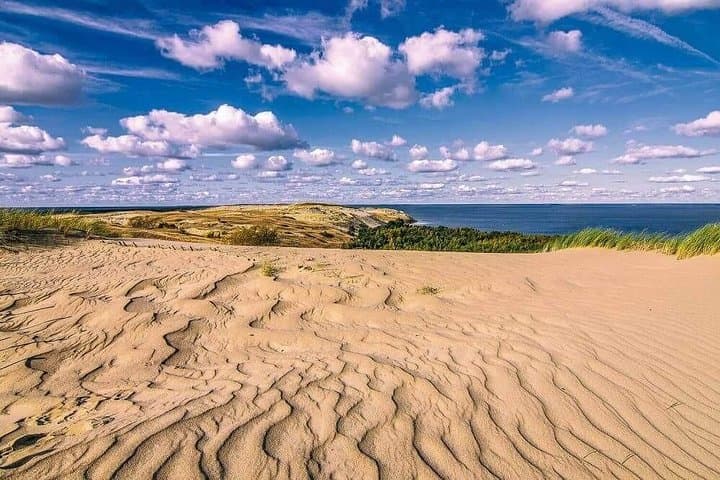
The spit is a 98 km ribbon of sand that separates the Curonian Lagoon from the Baltic Sea; its dunes are active—wind moves them, trees twist into living windbreaks, and villages cling to sheltered hollows. Juodkrantė and Nida offer wooden houses painted with folk motifs and amber histories: the lagoon was a source of raw amber from the 19th century onwards, and local amber workshops and galleries still display the material’s variety.
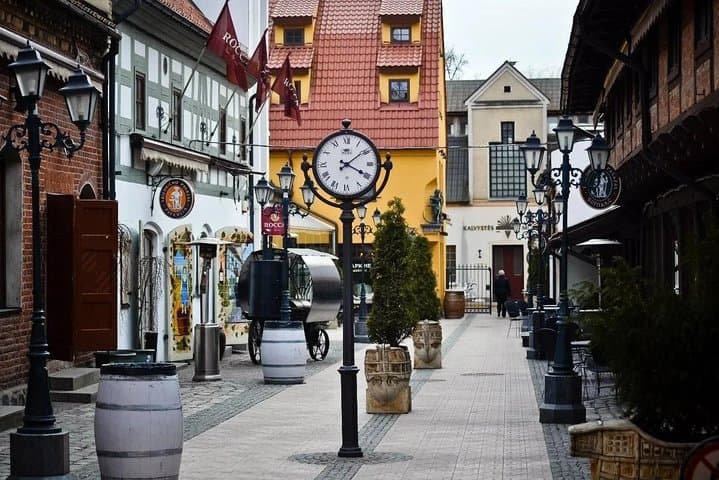
Geology here is visible in motion—Parnidis and Naglis (the Dead Dune) demonstrate how sand, wind, and water rework the shoreline. Cultural stops include Thomas Mann’s summer house in Nida and Klaipėda’s Old Town with its Teutonic castle site and theatre square reflecting German and Scandinavian urban planning.
Practical side: this is an 8‑hour private shore excursion with roundtrip ferry and an ecology fee included. Expect a mix of short walks up dunes and flat village streets; moderately fit travelers will be comfortable. Bring layered windproof clothing, sturdy shoes for sand, and ID for port transfer. Plan for strong sun on exposed dunes and quieter pockets at bird colonies where observation is best from marked paths.
Timing matters—mornings are often clearer for views from dune tops, while late afternoon light brings out the gold in amber and the face of Klaipėda’s stone sculptures. Respect marked trails and local protections—these are shifting landscapes, and they respond to how we move through them.
moderate.
8 hours.
Moderate — able to handle short uphill walks on loose sand and several hours of standing and walking
You should carry your passport or cruise ID for embarkation and port transfers; the tour operates on the Lithuanian side but port operators commonly check ID.
Expect several short walks up dunes, along village streets, and at viewpoints — total easy-to-moderate walking spread across the 8‑hour tour.
The tour notes a Curonian Spit ecology fee and roundtrip ferry are included; specific museum admissions (e.g., Thomas Mann House) may or may not be included—confirm at booking.
Yes — the trip often passes cormorant and heron colonies and you may spot shorebirds and, occasionally, seals from the coastline; best viewed from marked observation points.
The Curonian Spit has been shaped by shifting sands and human craft: Teutonic Knights once held nearby Klaipėda (Memel), and amber trade has influenced local settlements since the 19th century.
The spit is a protected landscape with limits on off-trail access and development; visitors should stick to marked paths and follow ecology fee rules that fund habitat preservation.
Uopera tours operates guided outdoor trips and adventures with an emphasis on safety, stewardship, and memorable experiences.


Salt air and a brisk Baltic wind set the rhythm as the ferry slips away from Klaipėda’s harbour, the city’s fachwerk facades shrinking behind you and the long sweep of the Curonian Spit unfurling ahead.
Salt air and a brisk Baltic wind set the rhythm as the ferry slips away from Klaipėda’s harbour, the city’s fachwerk facades shrinking behind you and the long sweep of the Curonian Spit unfurling ahead.
The spit is a 98 km ribbon of sand that separates the Curonian Lagoon from the Baltic Sea; its dunes are active—wind moves them, trees twist into living windbreaks, and villages cling to sheltered hollows. Juodkrantė and Nida offer wooden houses painted with folk motifs and amber histories: the lagoon was a source of raw amber from the 19th century onwards, and local amber workshops and galleries still display the material’s variety.
Geology here is visible in motion—Parnidis and Naglis (the Dead Dune) demonstrate how sand, wind, and water rework the shoreline. Cultural stops include Thomas Mann’s summer house in Nida and Klaipėda’s Old Town with its Teutonic castle site and theatre square reflecting German and Scandinavian urban planning.
Practical side: this is an 8‑hour private shore excursion with roundtrip ferry and an ecology fee included. Expect a mix of short walks up dunes and flat village streets; moderately fit travelers will be comfortable. Bring layered windproof clothing, sturdy shoes for sand, and ID for port transfer. Plan for strong sun on exposed dunes and quieter pockets at bird colonies where observation is best from marked paths.
Timing matters—mornings are often clearer for views from dune tops, while late afternoon light brings out the gold in amber and the face of Klaipėda’s stone sculptures. Respect marked trails and local protections—these are shifting landscapes, and they respond to how we move through them.