THE ADVENTURE COLLECTIVE® · Independent discovery and booking for outdoor travel

A full-day tour along the Curonian Spit delivers dune hikes, pine-forested paths and a smoked-fish picnic in Nida. Learn the spit’s geology, local fishing culture and how to visit sustainably.
A full-day tour along the Curonian Spit delivers dune hikes, pine-forested paths and a smoked-fish picnic in Nida. Learn the spit’s geology, local fishing culture and how to visit sustainably.
The morning light slices along a narrow spine of sand — the Curonian Spit — where the Baltic presses one flank and the Curonian Lagoon the other. You step from a comfortable minivan onto fine dunes that rise and fall like breath; pine roots grip aging sand and the wind sharpens horizons into a clear, cold line.
Verified experiences and guided adventures in the surrounding area.
Operated by Travel Addicts Club · Nida, Klaipėda County
The morning light slices along a narrow spine of sand — the Curonian Spit — where the Baltic presses one flank and the Curonian Lagoon the other. You step from a comfortable minivan onto fine dunes that rise and fall like breath; pine roots grip aging sand and the wind sharpens horizons into a clear, cold line.
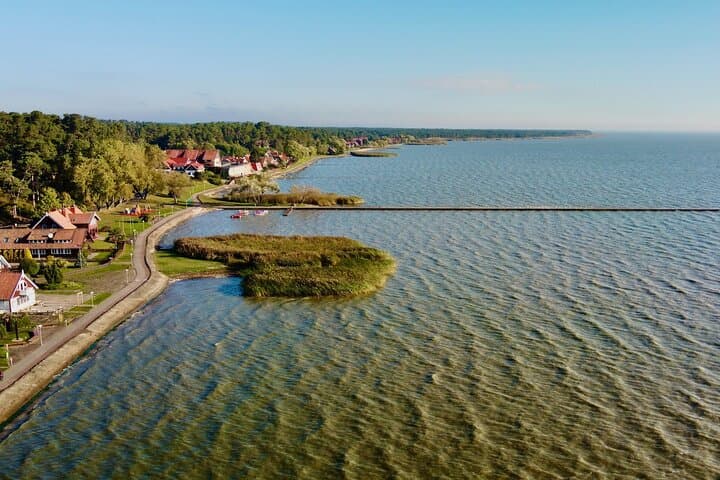
This narrow peninsula has been shaped by shifting dunes and human hands: centuries of fishing villages, sand-moving storms, and afforestation campaigns that planted pines to stabilize the landscape. Geologically it’s a littoral sand bar, dynamic and fragile; culturally it’s a place of smoked fish, wooden houses, and a Baltic maritime tradition that survives in small resort towns such as Nida and Juodkrantė. The spit is part of a UNESCO World Heritage site — a living landscape where history and nature are in constant negotiation.
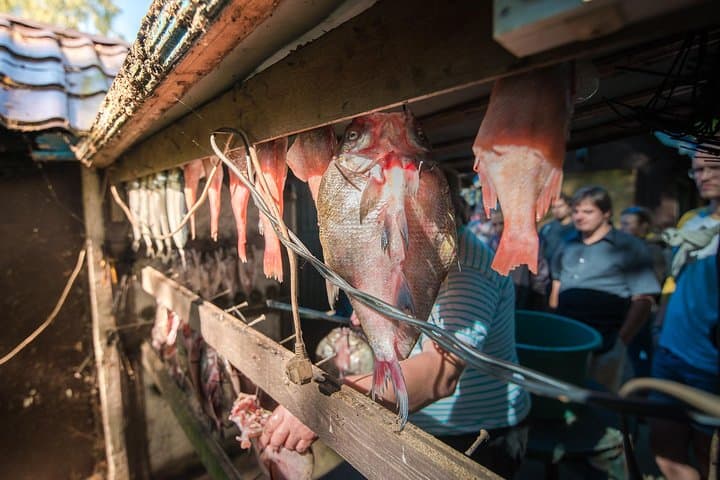
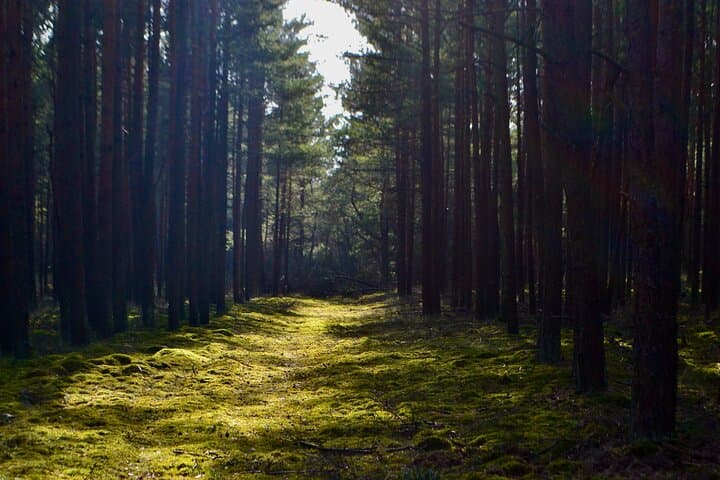
Expect a mix of walking on soft sand, short forested paths and panoramic viewpoints from dune crests. Wildlife is often seen at dawn or dusk — migratory birds ride thermals while grey seals rest on remote shores. Local guides introduce smoked fish lunches and explain why trails are routed to protect nesting birds.
Practical guidance: wear windproof layers and sturdy shoes that cope with sand; bring sun protection and a refillable water bottle. Timing matters — head out early or late afternoon to avoid the busiest hours and catch the best light. Respect marked paths: this coastline heals slowly when disturbed. With basic preparation, a full-day tour yields memorable vistas, tactile dune hikes and a clear sense of why this narrow strip has captured so many travelers’ imaginations.
easy.
12 hours.
Suitable for most people; involves short walks on soft sand and uneven forest paths so basic mobility is required.
This is a full-day (≈12-hour) private tour; typical inclusions are transport in a comfortable car/minivan, a local guide, ecological fees and a smoked fish picnic lunch.
The activity is rated easy and suitable for children accompanied by adults; expect short walks on sand and flat forest tracks rather than steep climbs.
Swimming is possible in summer but water is cold and currents exist; follow your guide’s advice about safe access points and observe local signage.
Infant seats are available and the tour notes service animals allowed; however, soft sand and uneven paths limit access for some mobility-impaired visitors—check with the operator in advance.
The Curonian Spit has been shaped by fishing communities and massive sand migration; 19th–20th century afforestation efforts stabilized dunes and preserved villages that now form small resort towns.
The spit is a UNESCO World Heritage site with fragile dune ecosystems; stay on marked trails, avoid removing plants or shells, and follow local guidance to reduce erosion and disturbance.
Travel Addicts Club operates guided outdoor trips and adventures with an emphasis on safety, stewardship, and memorable experiences.
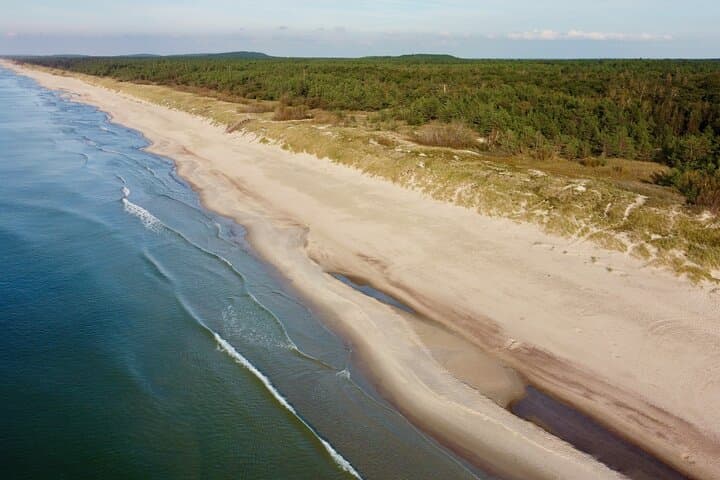
The morning light slices along a narrow spine of sand — the Curonian Spit — where the Baltic presses one flank and the Curonian Lagoon the other. You step from a comfortable minivan onto fine dunes that rise and fall like breath; pine roots grip aging sand and the wind sharpens horizons into a clear, cold line.
The morning light slices along a narrow spine of sand — the Curonian Spit — where the Baltic presses one flank and the Curonian Lagoon the other. You step from a comfortable minivan onto fine dunes that rise and fall like breath; pine roots grip aging sand and the wind sharpens horizons into a clear, cold line.
This narrow peninsula has been shaped by shifting dunes and human hands: centuries of fishing villages, sand-moving storms, and afforestation campaigns that planted pines to stabilize the landscape. Geologically it’s a littoral sand bar, dynamic and fragile; culturally it’s a place of smoked fish, wooden houses, and a Baltic maritime tradition that survives in small resort towns such as Nida and Juodkrantė. The spit is part of a UNESCO World Heritage site — a living landscape where history and nature are in constant negotiation.
Expect a mix of walking on soft sand, short forested paths and panoramic viewpoints from dune crests. Wildlife is often seen at dawn or dusk — migratory birds ride thermals while grey seals rest on remote shores. Local guides introduce smoked fish lunches and explain why trails are routed to protect nesting birds.
Practical guidance: wear windproof layers and sturdy shoes that cope with sand; bring sun protection and a refillable water bottle. Timing matters — head out early or late afternoon to avoid the busiest hours and catch the best light. Respect marked paths: this coastline heals slowly when disturbed. With basic preparation, a full-day tour yields memorable vistas, tactile dune hikes and a clear sense of why this narrow strip has captured so many travelers’ imaginations.