THE ADVENTURE COLLECTIVE® · Independent discovery and booking for outdoor travel

A full-day journey across the Curonian Spit pairs towering sand dunes and sheltered pine woods with smoked-fish lunches and lagoon views. This practical guide previews the geology, villages, and what to pack for a comfortable day from Vilnius.
A full-day journey across the Curonian Spit pairs towering sand dunes and sheltered pine woods with smoked-fish lunches and lagoon views. This practical guide previews the geology, villages, and what to pack for a comfortable day from Vilnius.
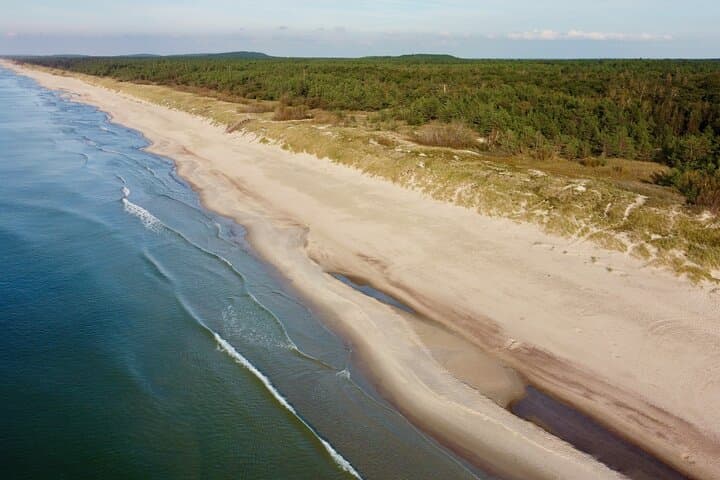
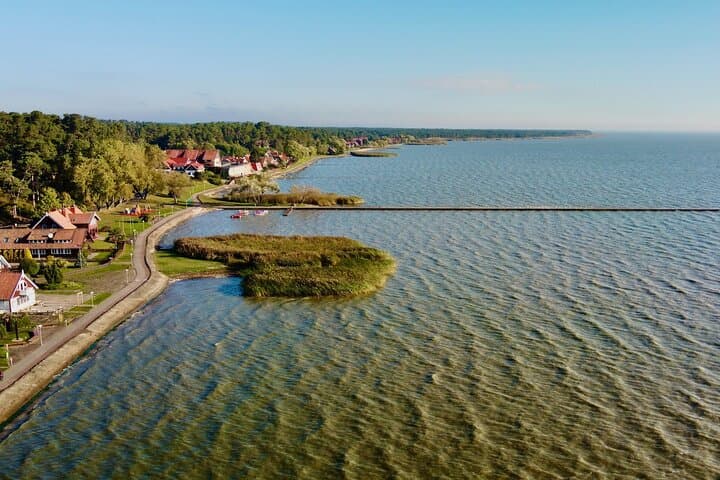
You crest a dune and the wind rearranges the horizon: the Baltic Sea on your left throws silver across the water, the Curonian Lagoon on your right lies calm and glassy. Sand slips under your boots, pine needles whisper behind you, and the long, narrow spit presses the world into a single, sweeping view.
Verified experiences and guided adventures in the surrounding area.
Operated by Travel Addicts Club · Nida, Klaipėda County
You crest a dune and the wind rearranges the horizon: the Baltic Sea on your left throws silver across the water, the Curonian Lagoon on your right lies calm and glassy. Sand slips under your boots, pine needles whisper behind you, and the long, narrow spit presses the world into a single, sweeping view.
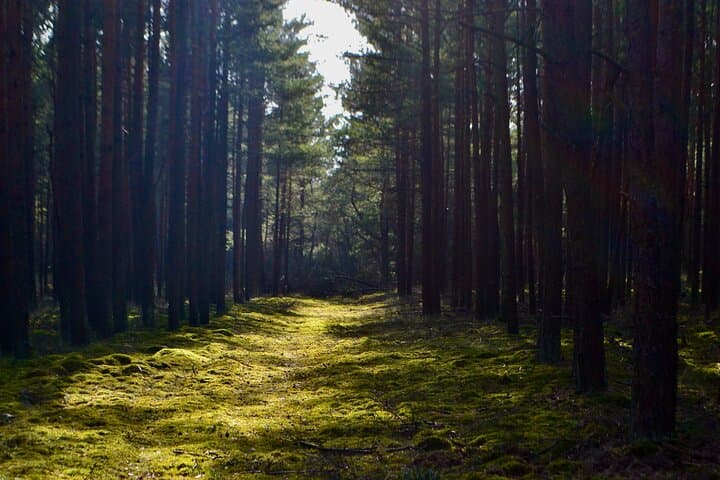
This slender ribbon of sand—the Curonian Spit—runs roughly 98 km between Lithuania and Russia. Formed by glacial deposits and constant wind, the spit has migrating dunes that reach 30–60 m in places, and a human story of fishermen’s settlements turned quiet resorts. Pine forests were planted in the 19th and 20th centuries to stabilize drifting sand; today small villages like Nida and Juodkrantė blend traditional smoked-fish recipes with contemporary cafés. The area is a UNESCO World Heritage site for its unique coastal geomorphology and cultural landscape.
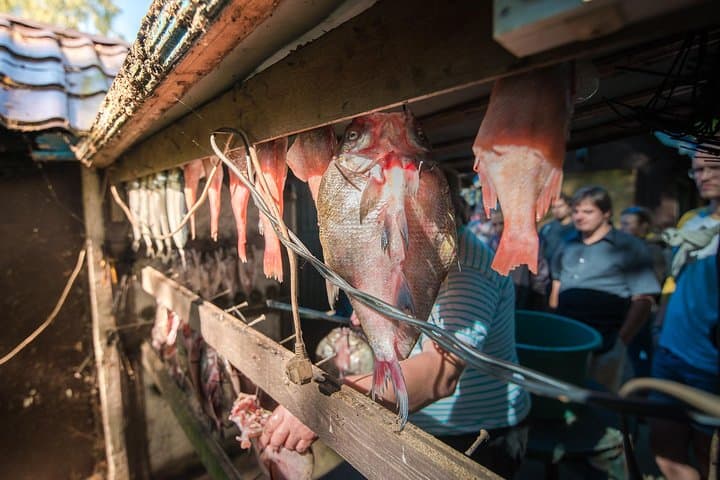
On a day tour from Vilnius you’ll see Parnidis Dune’s boardwalk viewpoint, stroll the Hill of Witches with its carved wooden figures, and sample smoked fish by the lagoon. Expect mixed terrain—fine sand, boardwalks, short stair climbs—and steady coastal wind that shapes both dunes and plans. Practical notes: wear closed shoes that handle sand, layer for wind and sun, and carry water—the exposed dunes offer little shelter.
A full-day itinerary moves by comfortable van between sights, so plan for a 10–12 hour outing including drive time. Bring a camera with a neutral-density mindset: wide-angle shots capture the scale, but give space for quieter moments under the pines. Respect marked trails—moving off them accelerates dune erosion—and you’ll leave with a clear picture of coastal forces, old fishing traditions, and horizons that keep pulling you forward.
easy.
10–12 hours (full-day with transfers).
Suitable for most people with reasonable mobility; expect walking on soft sand and short stair climbs.
Driving time is about 4–5 hours each way depending on border and traffic conditions, which is why the full-day itinerary can be 10–12 hours including transfers.
Yes—routes are generally low-impact, but sand walking can be tiring; children should be supervised and seniors should be comfortable with walking short distances on uneven sand and steps.
The itinerary typically includes a smoked fish picnic lunch and ecological fees; check the tour details for exact inclusions and any dietary accommodations.
Climbing is allowed on designated paths and boardwalks; avoid walking on vegetated slopes where access is restricted to prevent erosion.
Fishermen’s villages on the spit evolved over centuries; large-scale afforestation projects in the 19th–20th centuries stabilized drifting sands and shaped today’s forested dunes.
The Curonian Spit is protected for its fragile dunes and migratory bird habitats—stay on trails and follow local waste and fire regulations to limit impact.
Travel Addicts Club operates guided outdoor trips and adventures with an emphasis on safety, stewardship, and memorable experiences.
You crest a dune and the wind rearranges the horizon: the Baltic Sea on your left throws silver across the water, the Curonian Lagoon on your right lies calm and glassy. Sand slips under your boots, pine needles whisper behind you, and the long, narrow spit presses the world into a single, sweeping view.
You crest a dune and the wind rearranges the horizon: the Baltic Sea on your left throws silver across the water, the Curonian Lagoon on your right lies calm and glassy. Sand slips under your boots, pine needles whisper behind you, and the long, narrow spit presses the world into a single, sweeping view.
This slender ribbon of sand—the Curonian Spit—runs roughly 98 km between Lithuania and Russia. Formed by glacial deposits and constant wind, the spit has migrating dunes that reach 30–60 m in places, and a human story of fishermen’s settlements turned quiet resorts. Pine forests were planted in the 19th and 20th centuries to stabilize drifting sand; today small villages like Nida and Juodkrantė blend traditional smoked-fish recipes with contemporary cafés. The area is a UNESCO World Heritage site for its unique coastal geomorphology and cultural landscape.
On a day tour from Vilnius you’ll see Parnidis Dune’s boardwalk viewpoint, stroll the Hill of Witches with its carved wooden figures, and sample smoked fish by the lagoon. Expect mixed terrain—fine sand, boardwalks, short stair climbs—and steady coastal wind that shapes both dunes and plans. Practical notes: wear closed shoes that handle sand, layer for wind and sun, and carry water—the exposed dunes offer little shelter.
A full-day itinerary moves by comfortable van between sights, so plan for a 10–12 hour outing including drive time. Bring a camera with a neutral-density mindset: wide-angle shots capture the scale, but give space for quieter moments under the pines. Respect marked trails—moving off them accelerates dune erosion—and you’ll leave with a clear picture of coastal forces, old fishing traditions, and horizons that keep pulling you forward.