THE ADVENTURE COLLECTIVE® · Independent discovery and booking for outdoor travel

Spend six hours tracing the Curonian Spit’s shifting dunes, fisherfolk villages and literary history. This guided day tour from Klaipėda visits Nida, Juodkrantė, the Parnidžiai Dune and the Thomas Mann museum with easy walking and coastal views.
Spend six hours tracing the Curonian Spit’s shifting dunes, fisherfolk villages and literary history. This guided day tour from Klaipėda visits Nida, Juodkrantė, the Parnidžiai Dune and the Thomas Mann museum with easy walking and coastal views.
You step off the Klaipėda ferry and the wind immediately changes the conversation — cold Baltic air that pushes and tests your jacket, then eases into a sun-warmed hush as you move into pine forest. The Curonian Spit narrows to a ribbon of sand between lagoon and sea; the path threads through ochre dunes, lighthouse views and tidy fishing lodges with carved trim.
Verified experiences and guided adventures in the surrounding area.
Operated by Travel in Baltics · Nida, Klaipėda County
You step off the Klaipėda ferry and the wind immediately changes the conversation — cold Baltic air that pushes and tests your jacket, then eases into a sun-warmed hush as you move into pine forest. The Curonian Spit narrows to a ribbon of sand between lagoon and sea; the path threads through ochre dunes, lighthouse views and tidy fishing lodges with carved trim.
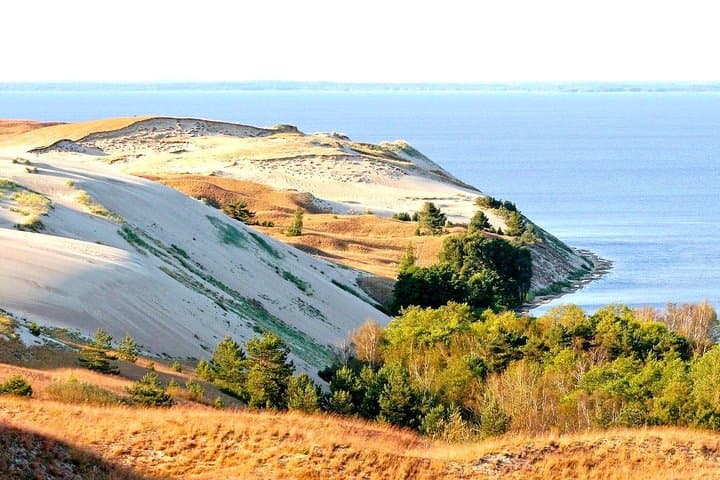
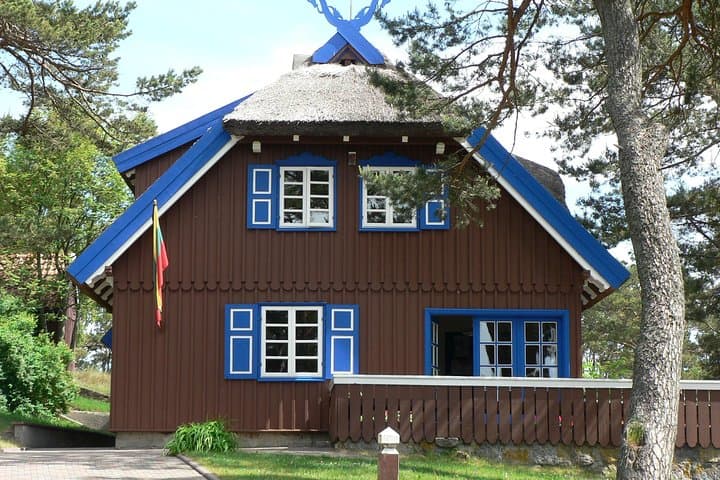
This narrow spit, Kursiu Nerija, became a UNESCO cultural landscape in 2000 for its dynamic dunes, centuries of fishing settlement and the architecture of places like Nida and Juodkrantė. Geologically the spit is a migrating sandbar shaped by longshore drift; Parnidžiai (Parnidzio) Dune now tops out near 52 meters where you can feel the wind re-sculpting the slope. Culturally, Thomas Mann summered here — his house is now a small museum where literature meets lagoon light.
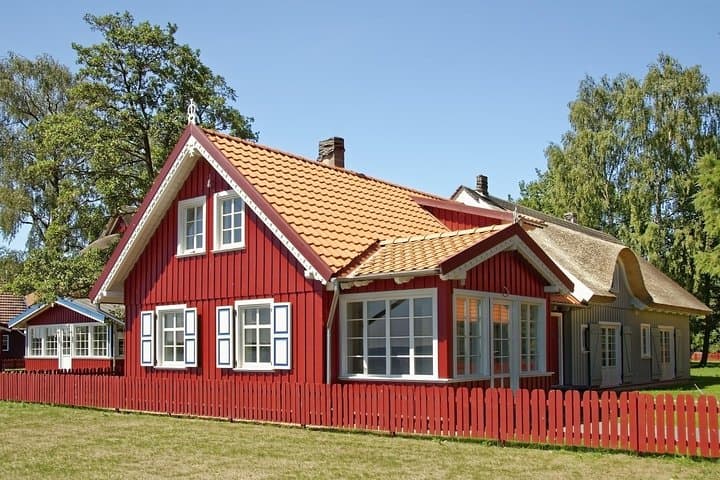
On a six-hour guided loop from Klaipėda you’ll see Juodkrantė’s wooden sculpture grove (Witch Mountain), the observation deck atop Parnidžiai Dune, amber exhibits and village streets lined with fishermen’s cottages. Expect easy walking with one or two steeper dune climbs, plenty of shore and forest terrain, and a few short drives between stops.
Practical guidance: bring layered windproof clothing, sturdy shoes for sand and forest trails, and a reusable water bottle. Summer offers beach time; shoulder seasons reward lower crowds and intense bird migration. Respect marked trails — dunes are fragile and park regulations protect nesting birds. With a local English-speaking guide and included eco-fee, this day tour is compact, scenic and rich in natural and cultural detail.
easy.
6 hours.
Basic fitness for short walks and one moderate dune climb; suitable for most travelers who can walk 2–4 km with some elevation.
Most departures are from Klaipėda with included hotel or port pickup; confirm pickup time with the local operator before your day tour.
The visit is included on the itinerary; the summer opening hours are typically 10:00–17:00 (sometimes to 18:00), but check local seasonal times before you go.
Yes — in summer there are opportunities to walk or swim on the sandy seaward beaches, but water temperatures can be cool; lifeguards are not guaranteed.
The overall tour is low-impact, but dune climbs and boardwalks may be difficult for mobility-limited guests; inquire about accessible options with the operator in advance.
The Curonian Spit has been shaped by centuries of fishing, dune migration and settlement; its cultural landscape earned UNESCO status in 2000 and drew visitors like Thomas Mann in the early 20th century.
Much of the spit is a national park; measures including boardwalks, restricted access zones and an eco-fee help stabilize dunes and protect bird nesting habitat.
Travel in Baltics operates guided outdoor trips and adventures with an emphasis on safety, stewardship, and memorable experiences.
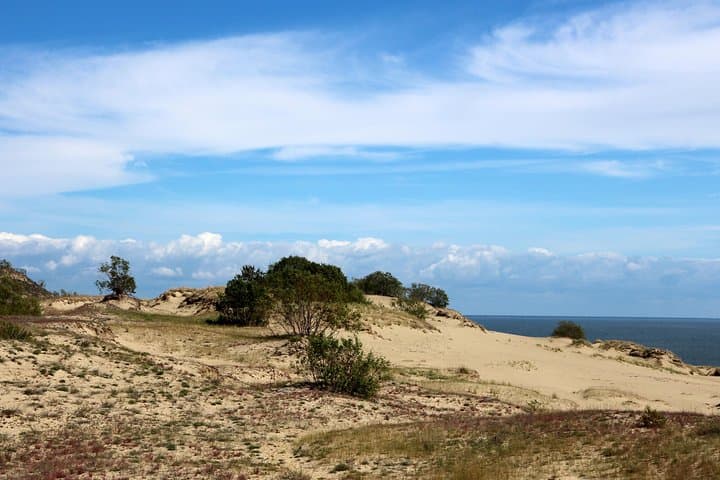
You step off the Klaipėda ferry and the wind immediately changes the conversation — cold Baltic air that pushes and tests your jacket, then eases into a sun-warmed hush as you move into pine forest. The Curonian Spit narrows to a ribbon of sand between lagoon and sea; the path threads through ochre dunes, lighthouse views and tidy fishing lodges with carved trim.
You step off the Klaipėda ferry and the wind immediately changes the conversation — cold Baltic air that pushes and tests your jacket, then eases into a sun-warmed hush as you move into pine forest. The Curonian Spit narrows to a ribbon of sand between lagoon and sea; the path threads through ochre dunes, lighthouse views and tidy fishing lodges with carved trim.
This narrow spit, Kursiu Nerija, became a UNESCO cultural landscape in 2000 for its dynamic dunes, centuries of fishing settlement and the architecture of places like Nida and Juodkrantė. Geologically the spit is a migrating sandbar shaped by longshore drift; Parnidžiai (Parnidzio) Dune now tops out near 52 meters where you can feel the wind re-sculpting the slope. Culturally, Thomas Mann summered here — his house is now a small museum where literature meets lagoon light.
On a six-hour guided loop from Klaipėda you’ll see Juodkrantė’s wooden sculpture grove (Witch Mountain), the observation deck atop Parnidžiai Dune, amber exhibits and village streets lined with fishermen’s cottages. Expect easy walking with one or two steeper dune climbs, plenty of shore and forest terrain, and a few short drives between stops.
Practical guidance: bring layered windproof clothing, sturdy shoes for sand and forest trails, and a reusable water bottle. Summer offers beach time; shoulder seasons reward lower crowds and intense bird migration. Respect marked trails — dunes are fragile and park regulations protect nesting birds. With a local English-speaking guide and included eco-fee, this day tour is compact, scenic and rich in natural and cultural detail.