THE ADVENTURE COLLECTIVE® · Independent discovery and booking for outdoor travel

A private full-day from Klaipėda to the Curonian Spit that pairs drifting dunes with seaside villages, amber culture and Klaipėda’s Old Town. Expect ferry crossings, short sandy hikes, bird colonies and several museum stops.
A private full-day from Klaipėda to the Curonian Spit that pairs drifting dunes with seaside villages, amber culture and Klaipėda’s Old Town. Expect ferry crossings, short sandy hikes, bird colonies and several museum stops.
You step off the ferry and the wind takes charge — the sea pushes at your back and the spit answers with moving sand and wind-sculpted pines. The Curonian Spit’s long ribbon of dunes and the quiet blue of the lagoon frame a day of contrasts: open beaches that dare you to walk the edge, and sheltered villages whose painted wooden houses keep local stories.
Verified experiences and guided adventures in the surrounding area.
Operated by Uopera tours · Klaipėda, Klaipėda County
You step off the ferry and the wind takes charge — the sea pushes at your back and the spit answers with moving sand and wind-sculpted pines. The Curonian Spit’s long ribbon of dunes and the quiet blue of the lagoon frame a day of contrasts: open beaches that dare you to walk the edge, and sheltered villages whose painted wooden houses keep local stories.
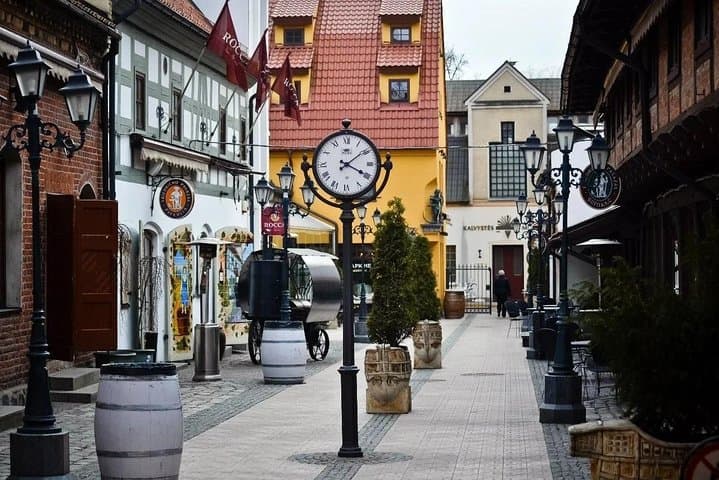
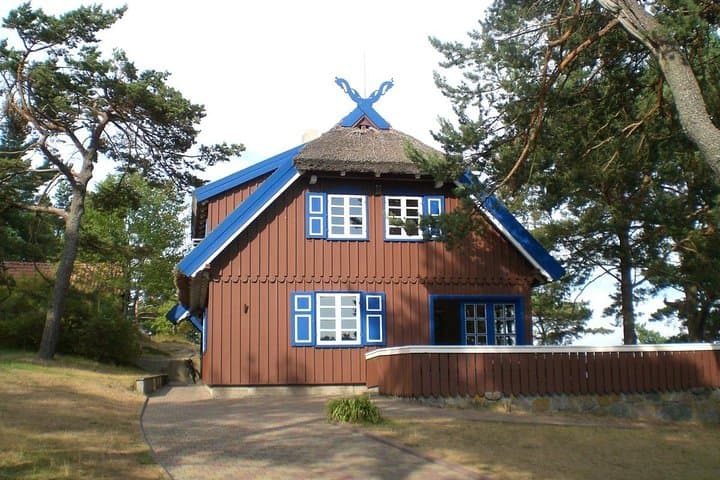
This landscape is young in geological terms: sand shifted by Baltic storms has built the spit over millennia, migrating dunes that once swallowed settlements now sit as viewpoints like Parnidis. Human history here is layered — from amber hunters in Juodkrantė to Teutonic fortifications near Klaipėda — giving the route cultural footholds: Thomas Mann’s summer house in Nida, amber workshops, and Klaipėda’s Germanic fachwerk streets and castle ruins.
Expect wildlife at the margins — cormorants and herons at the lagoon, migratory birds on season. Local life still orients around fishing, craft amber, and small-scale tourism; the theatre square and its fountain mark where community meets coast.
Practical guidance: this private roundtrip (about 8 hours) mixes short walks on sand and paved town streets; bring layered windproof clothing, sturdy shoes for dunes, and sun protection. Ferry crossings are included; allow time for museum visits and short hikes to viewpoints. If you want photography at golden hour or calmer bird activity, aim for early morning or late afternoon. Hydrate on the move, respect marked paths on dunes, and plan for changing coastal weather.
moderate.
8 hours.
Moderate—able to walk on sand and climb dune slopes intermittently over the day
Yes — the roundtrip ferry across the lagoon is included as part of the tour.
Some museums like Thomas Mann House and the Amber Gallery may be included; check the tour inclusions for specific admission details.
Yes — but families should prepare for sand walking and variable weather; children should be supervised on dune slopes and near water.
The tour is private and may accommodate reduced mobility with advance notice, but dunes and sandy trails can be challenging.
The Curonian Spit has been shaped by shifting sand and human use for centuries; Klaipėda (Memel) reflects German and Scandinavian architectural influence from its Hanseatic past.
Sections of the spit are protected as a UNESCO World Heritage Site—stay on marked routes, avoid disturbing bird colonies, and minimize plastic and litter.
Uopera tours operates guided outdoor trips and adventures with an emphasis on safety, stewardship, and memorable experiences.
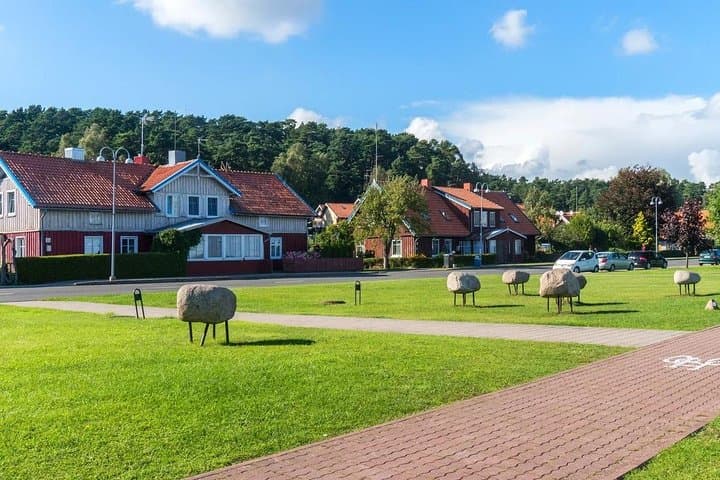
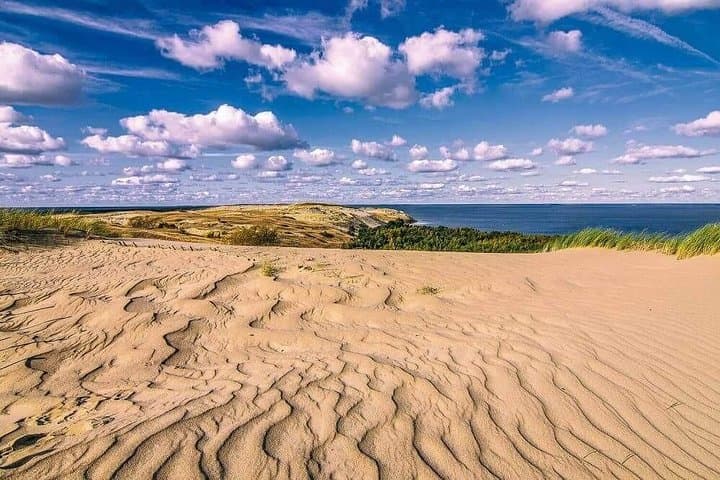
You step off the ferry and the wind takes charge — the sea pushes at your back and the spit answers with moving sand and wind-sculpted pines. The Curonian Spit’s long ribbon of dunes and the quiet blue of the lagoon frame a day of contrasts: open beaches that dare you to walk the edge, and sheltered villages whose painted wooden houses keep local stories.
You step off the ferry and the wind takes charge — the sea pushes at your back and the spit answers with moving sand and wind-sculpted pines. The Curonian Spit’s long ribbon of dunes and the quiet blue of the lagoon frame a day of contrasts: open beaches that dare you to walk the edge, and sheltered villages whose painted wooden houses keep local stories.
This landscape is young in geological terms: sand shifted by Baltic storms has built the spit over millennia, migrating dunes that once swallowed settlements now sit as viewpoints like Parnidis. Human history here is layered — from amber hunters in Juodkrantė to Teutonic fortifications near Klaipėda — giving the route cultural footholds: Thomas Mann’s summer house in Nida, amber workshops, and Klaipėda’s Germanic fachwerk streets and castle ruins.
Expect wildlife at the margins — cormorants and herons at the lagoon, migratory birds on season. Local life still orients around fishing, craft amber, and small-scale tourism; the theatre square and its fountain mark where community meets coast.
Practical guidance: this private roundtrip (about 8 hours) mixes short walks on sand and paved town streets; bring layered windproof clothing, sturdy shoes for dunes, and sun protection. Ferry crossings are included; allow time for museum visits and short hikes to viewpoints. If you want photography at golden hour or calmer bird activity, aim for early morning or late afternoon. Hydrate on the move, respect marked paths on dunes, and plan for changing coastal weather.