THE ADVENTURE COLLECTIVE® · Independent discovery and booking for outdoor travel

Try curling in Quebec City: a two‑hour, coach‑led session where beginners learn delivery, sweeping and game play. All equipment is provided—expect cold, camaraderie, and clear, practical instruction.
Try curling in Quebec City: a two‑hour, coach‑led session where beginners learn delivery, sweeping and game play. All equipment is provided—expect cold, camaraderie, and clear, practical instruction.
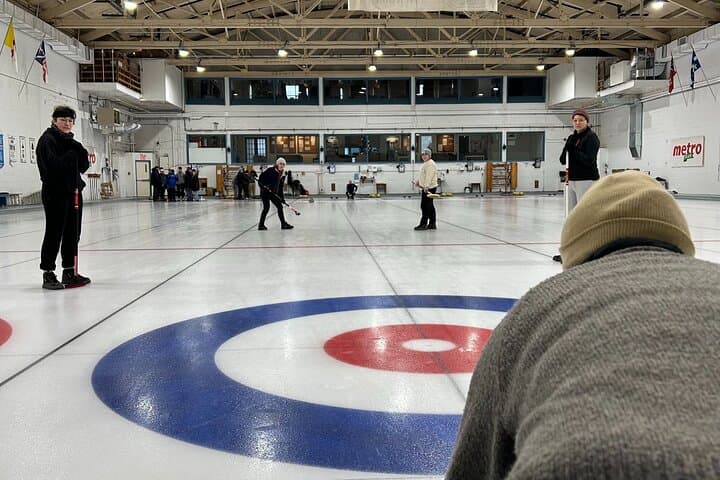
Step inside an old-school curling club in Quebec City and the air smells faintly of ice and wax; the sheet stretches ahead, pale and patient, daring you to slide a stone with purpose.
Verified experiences and guided adventures in the surrounding area.
Operated by Curling experience in Montreal · Quebec City, Quebec
Step inside an old-school curling club in Quebec City and the air smells faintly of ice and wax; the sheet stretches ahead, pale and patient, daring you to slide a stone with purpose.
Curling arrived in Canada from 18th‑century Scotland and has been part of Quebec’s winter rhythm for generations — community rinks where technique and conversation travel hand in hand. The city sits on the St. Lawrence’s glacial plain, and the region’s cold winters made indoor ice sports a practical and social outlet long before modern arenas.
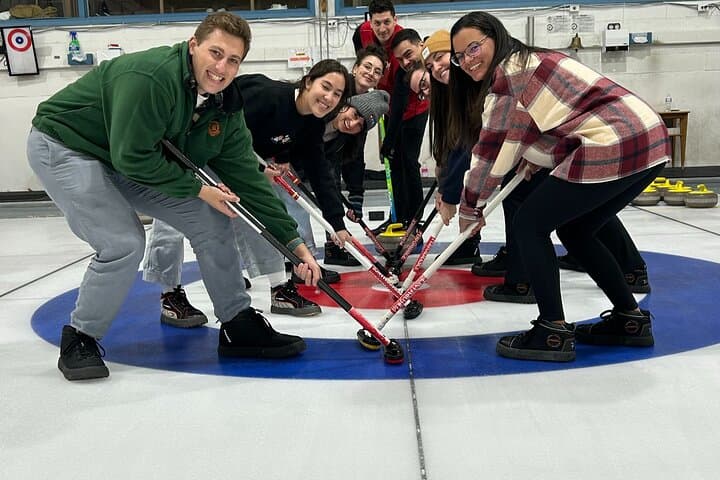
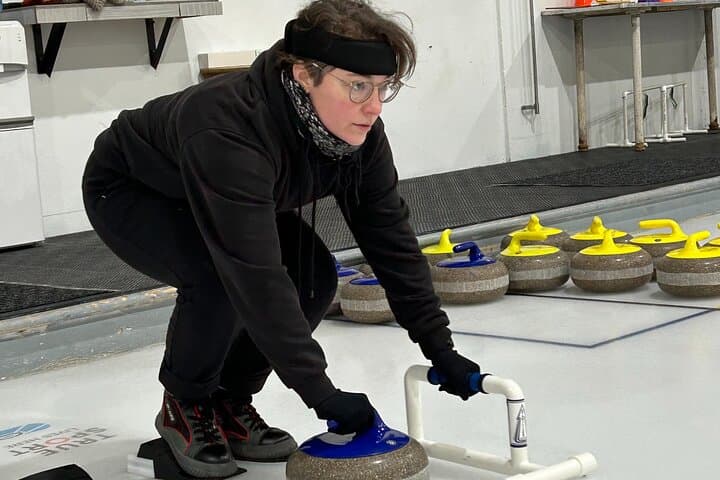
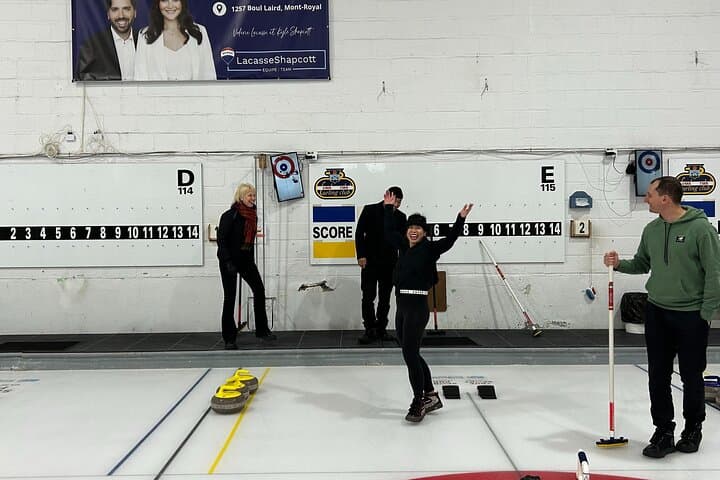
On this 2‑hour session a coach teaches basic delivery, sweeping, and strategy, then organizes short games so newcomers feel the ebb of team play. Expect straightforward instruction, shared lanes with other participants (groups up to ten), and all required sliders, brooms, grippers and stabilizers supplied by the club.
Practical guidance: wear warm, flexible clothing and flat-soled shoes or rented grippers; balance and light cardio are enough—no previous experience needed. The surface rewards smooth, controlled motions: the stone doesn’t hurry, but the clock does, so practice a consistent slide and clear communication with teammates.
Timing matters—book early in winter months when clubs run most sessions, and come prepared to learn etiquette (don’t step on the painted logos, listen to the coach). Respect the facility’s energy-conscious practices: ice maintenance is precise and resource‑intensive.
For travelers looking for an authentic slice of Canadian winter culture, this is an approachable, social way to join locals on the ice and leave with tangible new skills and a sense of why curling remains a quiet national passion.
easy.
2 hours.
Suitable for most fitness levels; basic balance and light lower‑body strength help
No — sessions are designed for beginners with a 30‑minute instructional block followed by supervised play.
Yes — clubs supply sliders, brooms, grippers and stabilizers as part of the experience.
Rinks are cooler than room temperature; dress in layers and expect to feel chilly when standing still.
Yes — bookings may place single participants with others; groups are mixed up to the advertised max of 10.
Curling was brought to Canada by Scottish settlers in the 18th century and became a community sport across Quebec through local clubs and winter carnivals.
Ice rinks consume energy for refrigeration and water; many clubs schedule efficient ice maintenance, encourage gear reuse, and ask visitors to follow facility rules to reduce waste.
Curling experience in Montreal operates guided outdoor trips and adventures with an emphasis on safety, stewardship, and memorable experiences.
Step inside an old-school curling club in Quebec City and the air smells faintly of ice and wax; the sheet stretches ahead, pale and patient, daring you to slide a stone with purpose.
Step inside an old-school curling club in Quebec City and the air smells faintly of ice and wax; the sheet stretches ahead, pale and patient, daring you to slide a stone with purpose.
Curling arrived in Canada from 18th‑century Scotland and has been part of Quebec’s winter rhythm for generations — community rinks where technique and conversation travel hand in hand. The city sits on the St. Lawrence’s glacial plain, and the region’s cold winters made indoor ice sports a practical and social outlet long before modern arenas.
On this 2‑hour session a coach teaches basic delivery, sweeping, and strategy, then organizes short games so newcomers feel the ebb of team play. Expect straightforward instruction, shared lanes with other participants (groups up to ten), and all required sliders, brooms, grippers and stabilizers supplied by the club.
Practical guidance: wear warm, flexible clothing and flat-soled shoes or rented grippers; balance and light cardio are enough—no previous experience needed. The surface rewards smooth, controlled motions: the stone doesn’t hurry, but the clock does, so practice a consistent slide and clear communication with teammates.
Timing matters—book early in winter months when clubs run most sessions, and come prepared to learn etiquette (don’t step on the painted logos, listen to the coach). Respect the facility’s energy-conscious practices: ice maintenance is precise and resource‑intensive.
For travelers looking for an authentic slice of Canadian winter culture, this is an approachable, social way to join locals on the ice and leave with tangible new skills and a sense of why curling remains a quiet national passion.