THE ADVENTURE COLLECTIVE® · Independent discovery and booking for outdoor travel

Walk San Telmo to Plaza de Mayo with a university-trained guide who frames Buenos Aires through anthropology, not just landmarks. Expect conversation, markets, and a close look at history—from colonial forts to the Casa Rosada.
Walk San Telmo to Plaza de Mayo with a university-trained guide who frames Buenos Aires through anthropology, not just landmarks. Expect conversation, markets, and a close look at history—from colonial forts to the Casa Rosada.
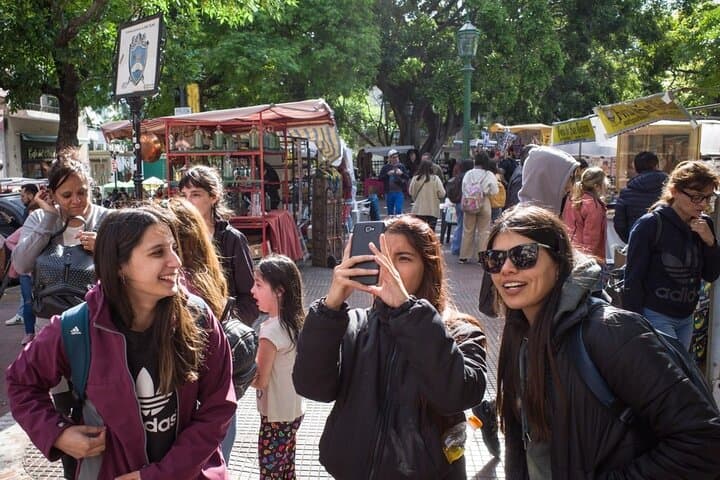
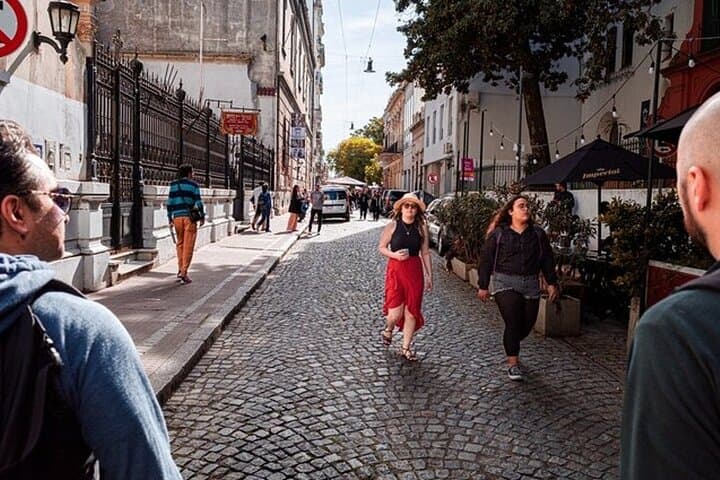
A late-morning sun slants through the iron balconies of San Telmo as a guide leads a small group down uneven cobblestones, voices dropping to match the hush of an old plaza. The walk threads through markets, colonial façades and narrow alleys, arriving finally beneath the pink face of the Casa Rosada at Plaza de Mayo—where the city's politics and passions converge.
Verified experiences and guided adventures in the surrounding area.
Operated by Social & Cultural · Buenos Aires, Ciudad Autónoma de Buenos Aires
A late-morning sun slants through the iron balconies of San Telmo as a guide leads a small group down uneven cobblestones, voices dropping to match the hush of an old plaza. The walk threads through markets, colonial façades and narrow alleys, arriving finally beneath the pink face of the Casa Rosada at Plaza de Mayo—where the city's politics and passions converge.
This route reads like a compact history of Buenos Aires: a port founded in 1536, waves of European immigration in the 19th and early 20th centuries, and neighborhoods shaped by African, indigenous and criollo influences. Geology is subtle here—the Río de la Plata's low, wide estuary dictated the city's grid and flood-prone edges—while landmarks reflect periods of wealth and conflict, from colonial churches to the modern lines of Calatrava’s bridge.
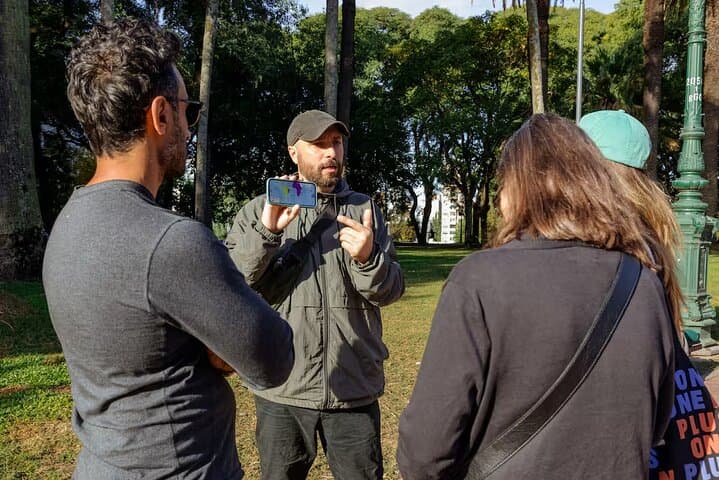
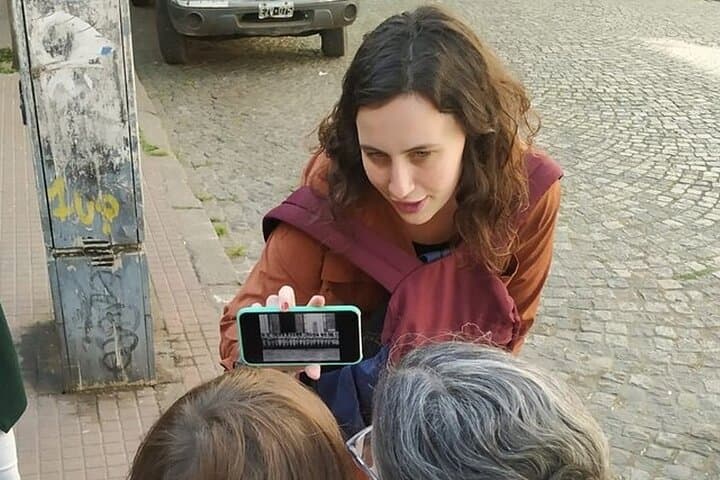
Culturally the tour is conversational: guides invite questions about Evita and Perón, the military dictatorship’s desaparecidos, and contemporary tensions around the peso and dollar. Expect stops at a restored market, a former clandestine detention center, and quieter plazas where neighborhood life continues.
Practically, this is a 2–3 hour, easy-paced urban walk with frequent pauses. Comfortable shoes and sun protection matter more than stamina; bring small cash for market snacks and a curiosity that goes beyond sightseeing—this is an anthropological tour, not a simple history lecture. Morning or late afternoon light offers the best photos and cooler temperatures. With public transit nearby and wheelchair-accessible options for parts of the route, the walk is both revealing and accessible for most travelers.
easy.
2–3 hours.
Suitable for most fitness levels; involves walking on uneven pavement and multiple short stops
The walk typically starts in San Telmo (near Bar Británico) and finishes at Plaza de Mayo in front of the Casa Rosada.
Parts of the route and certain transit options are wheelchair accessible; contact the operator in advance to confirm accommodations.
Guides commonly offer the tour in Spanish and English; request your preferred language at booking to ensure availability.
Full refunds are available if you cancel at least 24 hours before the scheduled departure time; check your booking confirmation for details.
Buenos Aires began as a 1536 colonial settlement; its modern character was forged by 19th–20th century European immigration and 20th-century political upheavals including Peronism and the 1976–83 dictatorship.
Historic buildings and markets face wear from heavy foot traffic; support local vendors, avoid single-use plastics, and stay on public paths to reduce impact.
Social & Cultural operates guided outdoor trips and adventures with an emphasis on safety, stewardship, and memorable experiences.
A late-morning sun slants through the iron balconies of San Telmo as a guide leads a small group down uneven cobblestones, voices dropping to match the hush of an old plaza. The walk threads through markets, colonial façades and narrow alleys, arriving finally beneath the pink face of the Casa Rosada at Plaza de Mayo—where the city's politics and passions converge.
A late-morning sun slants through the iron balconies of San Telmo as a guide leads a small group down uneven cobblestones, voices dropping to match the hush of an old plaza. The walk threads through markets, colonial façades and narrow alleys, arriving finally beneath the pink face of the Casa Rosada at Plaza de Mayo—where the city's politics and passions converge.
This route reads like a compact history of Buenos Aires: a port founded in 1536, waves of European immigration in the 19th and early 20th centuries, and neighborhoods shaped by African, indigenous and criollo influences. Geology is subtle here—the Río de la Plata's low, wide estuary dictated the city's grid and flood-prone edges—while landmarks reflect periods of wealth and conflict, from colonial churches to the modern lines of Calatrava’s bridge.
Culturally the tour is conversational: guides invite questions about Evita and Perón, the military dictatorship’s desaparecidos, and contemporary tensions around the peso and dollar. Expect stops at a restored market, a former clandestine detention center, and quieter plazas where neighborhood life continues.
Practically, this is a 2–3 hour, easy-paced urban walk with frequent pauses. Comfortable shoes and sun protection matter more than stamina; bring small cash for market snacks and a curiosity that goes beyond sightseeing—this is an anthropological tour, not a simple history lecture. Morning or late afternoon light offers the best photos and cooler temperatures. With public transit nearby and wheelchair-accessible options for parts of the route, the walk is both revealing and accessible for most travelers.