THE ADVENTURE COLLECTIVE® · Independent discovery and booking for outdoor travel

Spend two hours in Monteverde’s Curicancha Reserve with a naturalist guide spotting resplendent quetzal, motmots, and spider monkeys. Small groups, a hummingbird garden, and accessible trails make this a focused wildlife experience for birders and nature lovers.
Spend two hours in Monteverde’s Curicancha Reserve with a naturalist guide spotting resplendent quetzal, motmots, and spider monkeys. Small groups, a hummingbird garden, and accessible trails make this a focused wildlife experience for birders and nature lovers.
Morning mist clings to moss and leaf litter as a small group of eight moves quietly along the reserve trail; the forest answers in clicks and high, metallic bird calls. The two-hour Curicancha tour focuses on close-range wildlife encounters—bright quetzals flashing through the canopy, motmots flicking tails, and the guttural bell of the three-wattled bellbird calling from a ridge.
Verified experiences and guided adventures in the surrounding area.
Operated by Monteverde Tropical Wildlife · Monteverde, Puntarenas
Morning mist clings to moss and leaf litter as a small group of eight moves quietly along the reserve trail; the forest answers in clicks and high, metallic bird calls. The two-hour Curicancha tour focuses on close-range wildlife encounters—bright quetzals flashing through the canopy, motmots flicking tails, and the guttural bell of the three-wattled bellbird calling from a ridge.
Curicancha sits in the Monteverde cloud-forest complex, a volcanic highland shaped by uplifted terrain and constant moisture that feeds epiphytes and hanging moss. The area’s conservation history ties into Monteverde’s larger movement to preserve cloud-forest habitat and the rich birding circuits that brought researchers and birders to this part of Puntarenas.
Local culture is tied to small-scale ecotourism and naturalist guiding; visitors often pass family-run farms and community-run trails on the way into the reserve. Expect accessible paths with short climbs, shaded boardwalks, and a hummingbird garden near the entrance that concentrates nectar feeders and photo opportunities.
Practically, dawn and the first two hours after sunrise are prime for bird activity; guides provide optics and local knowledge and keep groups to eight or fewer to reduce disturbance. Trails can be muddy in the wet season, so waterproof layers and grippy shoes are wise. Bring a water bottle, insect repellent, and a camera with a tele lens if you want close-ups. Tours are suitable for most fitness levels and are wheelchair- and stroller-accessible in parts, but check with the operator about language needs and exact trail conditions the day of your visit.
easy.
2 hours.
Suitable for most abilities; participants should be able to walk unpaved, sometimes uneven trails for up to 1–2 miles.
The standard tour lasts about two hours and covers short, accessible trails within Curicancha Reserve.
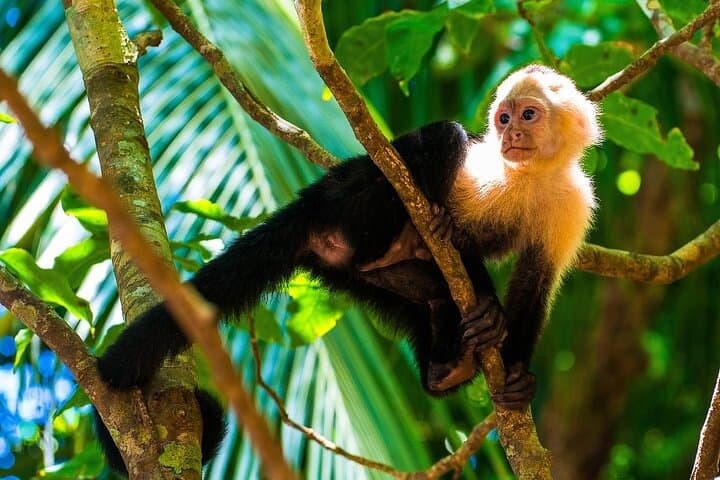
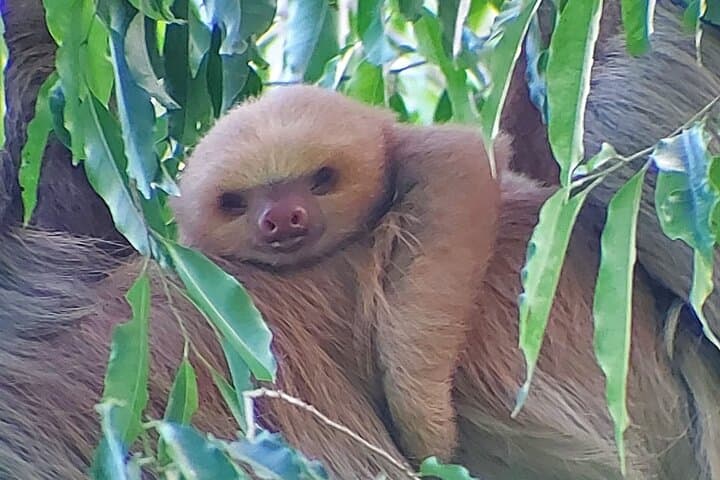
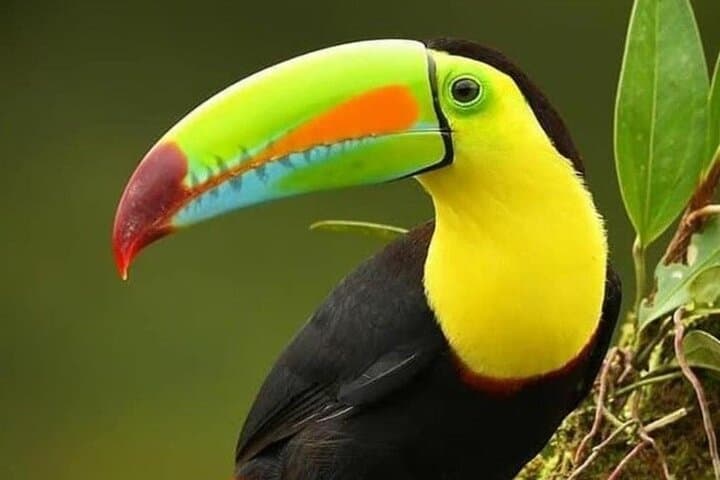
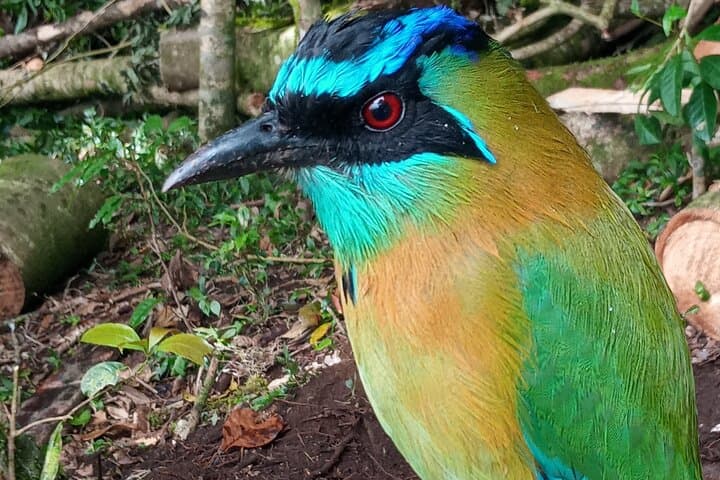
Guides often find resplendent quetzal, three-wattled bellbird, blue-crowned motmot, orange-bellied trogon, spider monkeys, and various small mammals and sloths.
Yes—routes are described as physically easy and parts of the reserve are stroller- and wheelchair-accessible; check specific accessibility options when booking.
A naturalist guide and optic gear are included with the tour; ask the operator about language options when you book.
Curicancha is part of the Monteverde cloud-forest region whose conservation emerged in the mid‑20th century and grew as researchers and local communities prioritized habitat protection.
Staying on marked trails, keeping group sizes small, and following guide instructions minimizes disturbance; local tours help fund reserve management.
Monteverde Tropical Wildlife operates guided outdoor trips and adventures with an emphasis on safety, stewardship, and memorable experiences.
Morning mist clings to moss and leaf litter as a small group of eight moves quietly along the reserve trail; the forest answers in clicks and high, metallic bird calls. The two-hour Curicancha tour focuses on close-range wildlife encounters—bright quetzals flashing through the canopy, motmots flicking tails, and the guttural bell of the three-wattled bellbird calling from a ridge.
Morning mist clings to moss and leaf litter as a small group of eight moves quietly along the reserve trail; the forest answers in clicks and high, metallic bird calls. The two-hour Curicancha tour focuses on close-range wildlife encounters—bright quetzals flashing through the canopy, motmots flicking tails, and the guttural bell of the three-wattled bellbird calling from a ridge.
Curicancha sits in the Monteverde cloud-forest complex, a volcanic highland shaped by uplifted terrain and constant moisture that feeds epiphytes and hanging moss. The area’s conservation history ties into Monteverde’s larger movement to preserve cloud-forest habitat and the rich birding circuits that brought researchers and birders to this part of Puntarenas.
Local culture is tied to small-scale ecotourism and naturalist guiding; visitors often pass family-run farms and community-run trails on the way into the reserve. Expect accessible paths with short climbs, shaded boardwalks, and a hummingbird garden near the entrance that concentrates nectar feeders and photo opportunities.
Practically, dawn and the first two hours after sunrise are prime for bird activity; guides provide optics and local knowledge and keep groups to eight or fewer to reduce disturbance. Trails can be muddy in the wet season, so waterproof layers and grippy shoes are wise. Bring a water bottle, insect repellent, and a camera with a tele lens if you want close-ups. Tours are suitable for most fitness levels and are wheelchair- and stroller-accessible in parts, but check with the operator about language needs and exact trail conditions the day of your visit.