THE ADVENTURE COLLECTIVE® · Independent discovery and booking for outdoor travel

Walk Curicancha’s accessible trails with a naturalist guide and encounter strangler figs, toucans, quetzal season highlights, and two distinct life zones in a compact 3‑hour tour. Perfect for focused wildlife viewing without a long hike.
Walk Curicancha’s accessible trails with a naturalist guide and encounter strangler figs, toucans, quetzal season highlights, and two distinct life zones in a compact 3‑hour tour. Perfect for focused wildlife viewing without a long hike.
A cool mist hangs in the lower canopy as you step onto the Curicancha Reserve trail, leaves whispering above while a toucan calls from a strangler fig. The path moves easy underfoot—packed soil, roots, occasional boardwalk—so the forest feels immediate: alive, layered, and insistently present.
Verified experiences and guided adventures in the surrounding area.
Operated by JC Nature Tour · Monteverde, Puntarenas
A cool mist hangs in the lower canopy as you step onto the Curicancha Reserve trail, leaves whispering above while a toucan calls from a strangler fig. The path moves easy underfoot—packed soil, roots, occasional boardwalk—so the forest feels immediate: alive, layered, and insistently present.
Curicancha protects two distinct life zones where volcanic soils meet montane cloud influence. Geologically the area sits on old ash and lava deposits that have weathered into the rich, porous soils feeding the strangler Ficus and epiphyte gardens. Culturally Monteverde grew from dairy and conservation roots—visit the nearby Cheese Factory to connect to the region’s agrarian history before returning to the quiet of the reserve.
Your guide interprets bird calls, points out quetzal perches during season, and explains how forest strata support three monkey species and a dense insect community. Wildlife here is bold but not guaranteed; patience and quiet reward observers with trogons, parakeets, and the occasional sloth.
Practical guidance: the walk is three hours on easy terrain with modest elevation change—good for most fitness levels and wheelchair accessible on main routes. Wear breathable, quick-dry layers, sturdy shoes with some tread, and bring binoculars and a rain shell; cloud forest weather can change quickly. Morning visits are best for bird activity and softer light for photography. Hydrate before you start and keep camera batteries warm; cold, damp air shortens runtime.
This is a compact, interpretive experience that pairs simple logistics with rich natural history—ideal for travelers who want intimate wildlife viewing without a long trek.
easy.
3 hours.
Suitable for most ability levels; short, mostly flat sections interspersed with forest paths
Yes—trails are rated easy and accessible; guides tailor pace but check mobility needs if you rely on a wheelchair.
No species is guaranteed; quetzals are seasonal and elusive, but guides know hotspot perches and increase your chance during peak months.
Most naturalist guides in Monteverde speak English and Spanish; confirm language needs when booking.
Curicancha is a short drive from Santa Elena/Monteverde—many hotels offer shuttles or taxis; the reserve is about 150 meters east of the Monteverde Cheese Factory.
The reserve sits near Monteverde’s agricultural heart; local dairy farming supported early conservation efforts and community-run reserves.
Trails are managed to limit impacts on sensitive understory plants; stick to paths and avoid using flash photography near nesting sites.
JC Nature Tour operates guided outdoor trips and adventures with an emphasis on safety, stewardship, and memorable experiences.


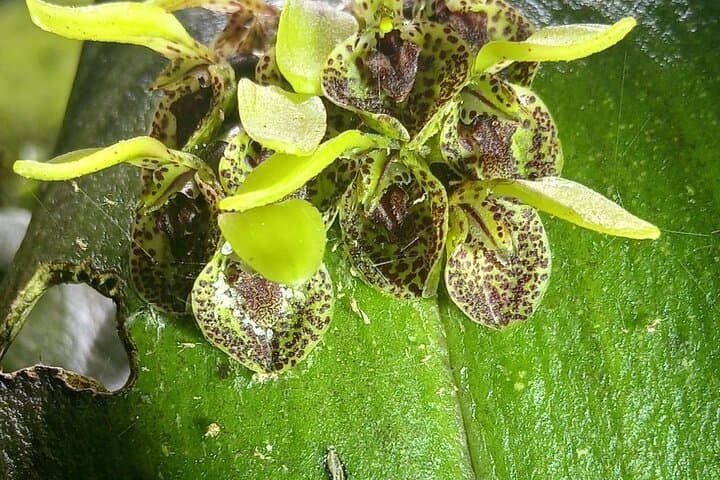
A cool mist hangs in the lower canopy as you step onto the Curicancha Reserve trail, leaves whispering above while a toucan calls from a strangler fig. The path moves easy underfoot—packed soil, roots, occasional boardwalk—so the forest feels immediate: alive, layered, and insistently present.
A cool mist hangs in the lower canopy as you step onto the Curicancha Reserve trail, leaves whispering above while a toucan calls from a strangler fig. The path moves easy underfoot—packed soil, roots, occasional boardwalk—so the forest feels immediate: alive, layered, and insistently present.
Curicancha protects two distinct life zones where volcanic soils meet montane cloud influence. Geologically the area sits on old ash and lava deposits that have weathered into the rich, porous soils feeding the strangler Ficus and epiphyte gardens. Culturally Monteverde grew from dairy and conservation roots—visit the nearby Cheese Factory to connect to the region’s agrarian history before returning to the quiet of the reserve.
Your guide interprets bird calls, points out quetzal perches during season, and explains how forest strata support three monkey species and a dense insect community. Wildlife here is bold but not guaranteed; patience and quiet reward observers with trogons, parakeets, and the occasional sloth.
Practical guidance: the walk is three hours on easy terrain with modest elevation change—good for most fitness levels and wheelchair accessible on main routes. Wear breathable, quick-dry layers, sturdy shoes with some tread, and bring binoculars and a rain shell; cloud forest weather can change quickly. Morning visits are best for bird activity and softer light for photography. Hydrate before you start and keep camera batteries warm; cold, damp air shortens runtime.
This is a compact, interpretive experience that pairs simple logistics with rich natural history—ideal for travelers who want intimate wildlife viewing without a long trek.