THE ADVENTURE COLLECTIVE® · Independent discovery and booking for outdoor travel

Walk Curi Cancha’s quieter cloud-forest trails with a naturalist guide for close-up views of hummingbirds, toucans, monkeys and (seasonally) the resplendent quetzal. This 2–3 hour guided nature walk blends accessible trails with expert-led wildlife viewing.
Walk Curi Cancha’s quieter cloud-forest trails with a naturalist guide for close-up views of hummingbirds, toucans, monkeys and (seasonally) the resplendent quetzal. This 2–3 hour guided nature walk blends accessible trails with expert-led wildlife viewing.
A damp veil of mist lifts from the trail as the group steps through the entrance gate at Curi Cancha. Birdsong threads through the trees and the guide pauses, pointing a hand into the green—hummingbirds hover like living jewels, toucans call from high branches, and the undergrowth trembles with the passing of monkeys. The reserve’s compact trails feel immediate: every bend reveals a new viewpoint, a meadow opening, or a moss-slick stream daring you closer.
Verified experiences and guided adventures in the surrounding area.
Operated by Andres Corrales - Kamaleon Tours · Santa Elena, Puntarenas
A damp veil of mist lifts from the trail as the group steps through the entrance gate at Curi Cancha. Birdsong threads through the trees and the guide pauses, pointing a hand into the green—hummingbirds hover like living jewels, toucans call from high branches, and the undergrowth trembles with the passing of monkeys. The reserve’s compact trails feel immediate: every bend reveals a new viewpoint, a meadow opening, or a moss-slick stream daring you closer.
Geologically, this patch of the Tilarán range is volcanic soil sculpted by centuries of wind and rain, producing the acidic, spongy earth that supports cloud-forest flora such as epiphytes, bromeliads, and towering oaks. Culturally, Monteverde grew from Anglo and Costa Rican farming communities into a conservation hub; Curi Cancha itself was established to protect fragmented cloud forest and to offer a quieter alternative to its busier neighbor.
Visitors can expect a calm, interpretive walk of roughly 2–3 hours led by an expert naturalist; a spotting scope and binoculars are usually provided, and the entrance fee is included. Trails mix compacted dirt, boardwalks, and short climbs—wet and slippery after rain—so steady footwear matters.
Practical guidance: start early for the best light and bird activity, bring layered rain protection and a small daypack for water and snacks, and keep cameras ready but movements slow—wildlife responds to patience. Respect marked trails to protect fragile epiphytes and follow your guide’s lead when scanning canopy to minimize disturbance. Curi Cancha rewards quiet attention with intimate wildlife encounters and an education in cloud-forest resilience.
easy.
2–3 hours.
Suitable for most fitness levels; involves walking on uneven terrain with modest elevation changes
The guided experience runs about 2–3 hours, depending on group pace and wildlife viewing stops.
Yes—the tour price includes the reserve entrance fee (noted as US $25 per person at time of booking).
The walk is rated easy and appropriate for most ages, but some uneven or wet sections may be challenging for those with limited mobility—contact the operator to discuss accessibility options.
Quetzal sightings are seasonal and never guaranteed; guides maximize opportunities by visiting known feeding areas but wildlife encounters depend on timing and luck.
Monteverde transitioned from dairy farms and immigrant settlements in the mid-20th century to a conservation-driven economy; small reserves like Curi Cancha were created to protect remaining cloud-forest fragments.
The reserve emphasizes low-impact visitation and habitat protection—stay on trails, avoid single-use plastics, and follow guide instructions to reduce disturbance to sensitive epiphytes and nesting birds.
Andres Corrales - Kamaleon Tours operates guided outdoor trips and adventures with an emphasis on safety, stewardship, and memorable experiences.
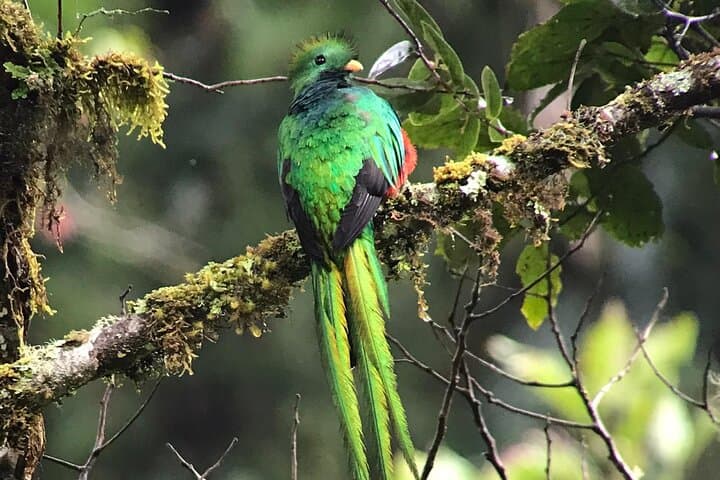
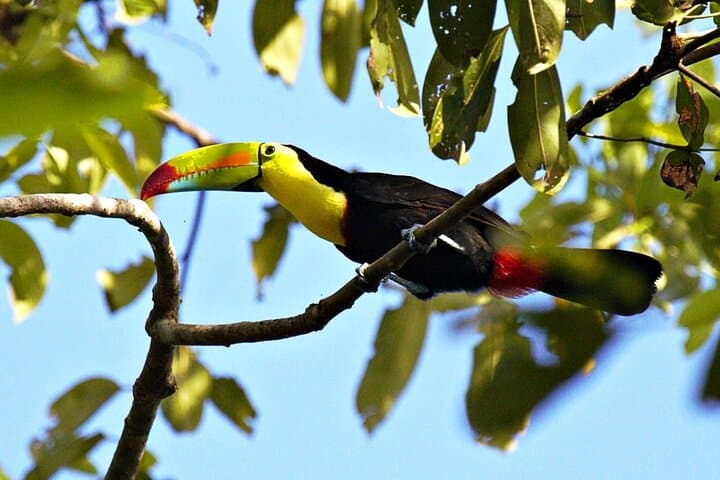

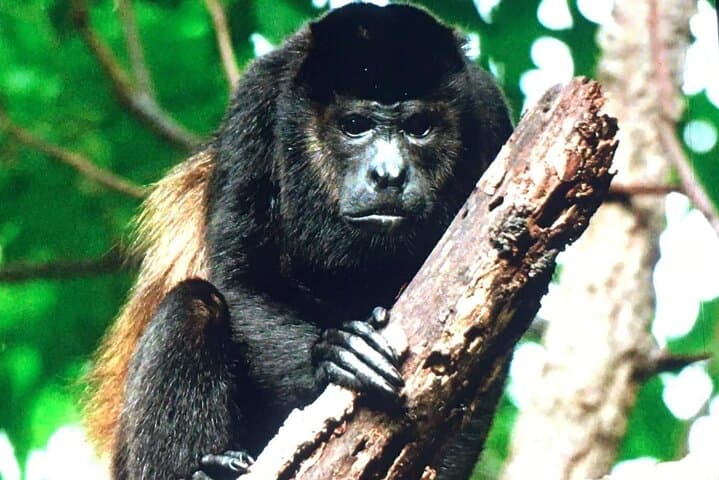
A damp veil of mist lifts from the trail as the group steps through the entrance gate at Curi Cancha. Birdsong threads through the trees and the guide pauses, pointing a hand into the green—hummingbirds hover like living jewels, toucans call from high branches, and the undergrowth trembles with the passing of monkeys. The reserve’s compact trails feel immediate: every bend reveals a new viewpoint, a meadow opening, or a moss-slick stream daring you closer.
A damp veil of mist lifts from the trail as the group steps through the entrance gate at Curi Cancha. Birdsong threads through the trees and the guide pauses, pointing a hand into the green—hummingbirds hover like living jewels, toucans call from high branches, and the undergrowth trembles with the passing of monkeys. The reserve’s compact trails feel immediate: every bend reveals a new viewpoint, a meadow opening, or a moss-slick stream daring you closer.
Geologically, this patch of the Tilarán range is volcanic soil sculpted by centuries of wind and rain, producing the acidic, spongy earth that supports cloud-forest flora such as epiphytes, bromeliads, and towering oaks. Culturally, Monteverde grew from Anglo and Costa Rican farming communities into a conservation hub; Curi Cancha itself was established to protect fragmented cloud forest and to offer a quieter alternative to its busier neighbor.
Visitors can expect a calm, interpretive walk of roughly 2–3 hours led by an expert naturalist; a spotting scope and binoculars are usually provided, and the entrance fee is included. Trails mix compacted dirt, boardwalks, and short climbs—wet and slippery after rain—so steady footwear matters.
Practical guidance: start early for the best light and bird activity, bring layered rain protection and a small daypack for water and snacks, and keep cameras ready but movements slow—wildlife responds to patience. Respect marked trails to protect fragile epiphytes and follow your guide’s lead when scanning canopy to minimize disturbance. Curi Cancha rewards quiet attention with intimate wildlife encounters and an education in cloud-forest resilience.