THE ADVENTURE COLLECTIVE® · Independent discovery and booking for outdoor travel

Walk Monteverde’s Curicancha cloud forest with a certified naturalist, free binoculars, and a hummingbird gallery finale. Expect close bird encounters, moss-heavy trails, and cultural context from local guides.
Walk Monteverde’s Curicancha cloud forest with a certified naturalist, free binoculars, and a hummingbird gallery finale. Expect close bird encounters, moss-heavy trails, and cultural context from local guides.
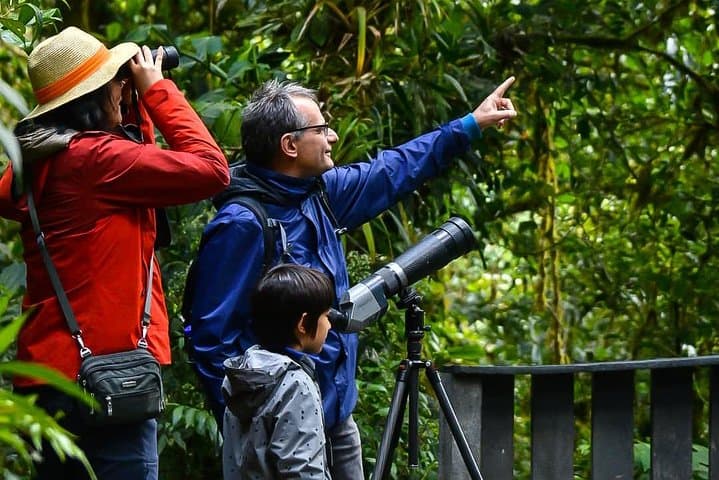
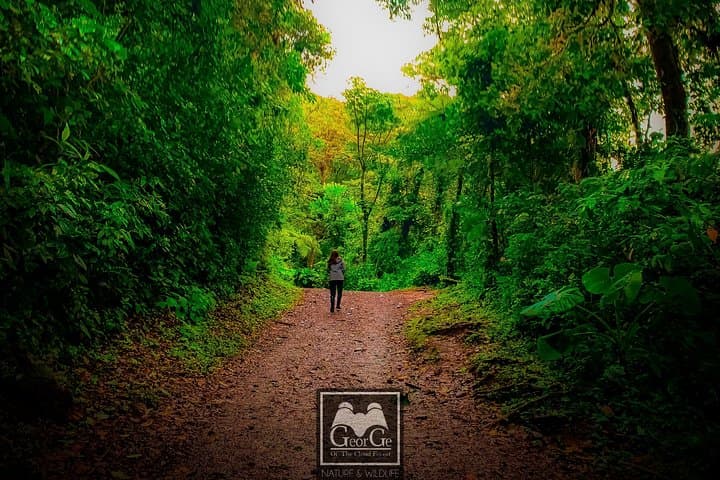
A low cloud ribboning through oak and cypress greets the group before the trail opens — humidity beads on camera lenses, orchids cling to trunks, and ferns unfurl like slow hands. The Curicancha walk moves deliberately: guides pause at a fern shelf, point out epiphytes, then fall silent while a distant toucan calls. The air feels alive and commanding; the forest dares you to pay attention.
Verified experiences and guided adventures in the surrounding area.
Operated by George of the Cloud Forest · Monteverde, Puntarenas
A low cloud ribboning through oak and cypress greets the group before the trail opens — humidity beads on camera lenses, orchids cling to trunks, and ferns unfurl like slow hands. The Curicancha walk moves deliberately: guides pause at a fern shelf, point out epiphytes, then fall silent while a distant toucan calls. The air feels alive and commanding; the forest dares you to pay attention.
Geologically the Monteverde cloud forest sits on a high ridge where Pacific moisture lifts against the Cordillera, creating persistent mist and fertile, acidic soils that favor orchids, bromeliads, and giant tree ferns. Culturally the route threads through land shaped by Quaker settlers whose conservation choices in the mid-20th century helped protect this ecosystem, and the guides weave that history into explanations of ongoing restoration projects.
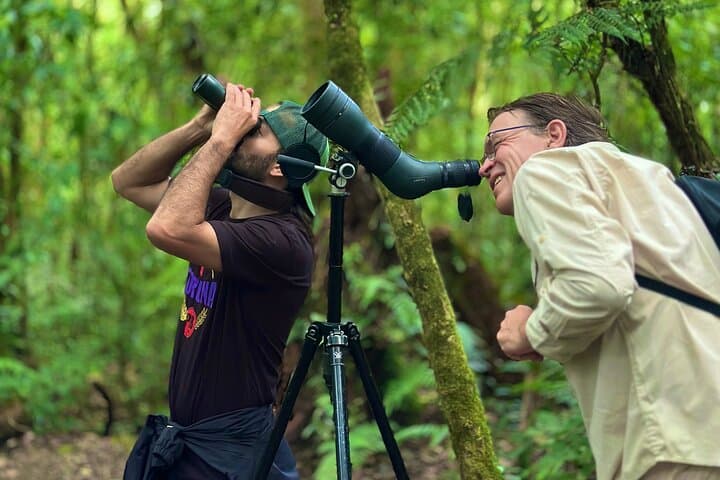
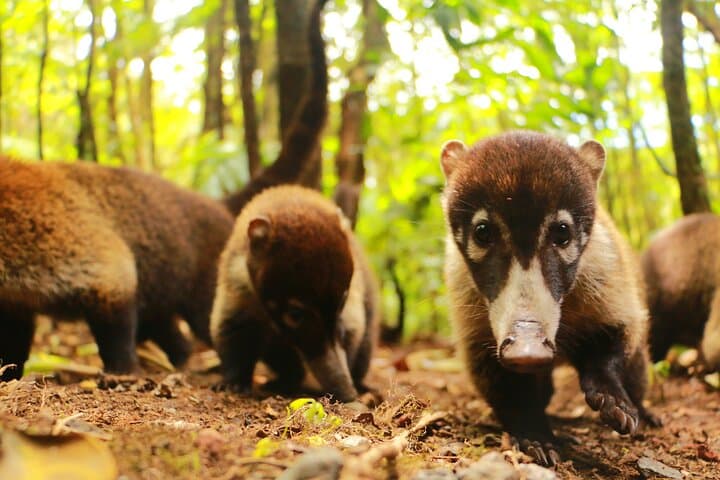
Expect concentrated wildlife watching: resplendent quetzal, motmots, toucans, and small primates are possible sightings, especially in the cooler, quieter hours. The walk closes at a hummingbird gallery for close-range observation and photography; free binoculars and a traditional Costa Rican snack are included to make those moments accessible and mindful.
Practical guidance: the tour is 2–2.5 hours on uneven, often muddy forest paths with modest climbs — wear grippy shoes and a rain shell, bring water and a small pack. Start early for best bird activity and softer light for photos. Respect the trail by keeping voices low and following guide instructions; the reserve’s health depends on low-impact visits.
moderate.
2–2.5 hours.
Moderate fitness — able to walk 3–4 miles over uneven terrain with short climbs.
Yes — the tour includes free binoculars to share; bringing your own gives better individual views.
Infants and small children can use a stroller on select sections, but expect uneven terrain; check with the operator for stroller-accessible departures.
Most visitors stay in Santa Elena; taxis or local shuttles run to the reserve area—confirm the exact meeting location when you book.
Quetzals are present but not guaranteed; sightings increase on quiet morning walks during breeding season and in cooler months.
Monteverde’s protection owes much to Quaker settlers who promoted land conservation in the mid-20th century, creating corridors that helped establish today’s reserves.
The area emphasizes low-impact tourism and reforestation; visitors are asked to stick to trails, avoid feeding wildlife, and support local conservation fees.
George of the Cloud Forest operates guided outdoor trips and adventures with an emphasis on safety, stewardship, and memorable experiences.
A low cloud ribboning through oak and cypress greets the group before the trail opens — humidity beads on camera lenses, orchids cling to trunks, and ferns unfurl like slow hands. The Curicancha walk moves deliberately: guides pause at a fern shelf, point out epiphytes, then fall silent while a distant toucan calls. The air feels alive and commanding; the forest dares you to pay attention.
A low cloud ribboning through oak and cypress greets the group before the trail opens — humidity beads on camera lenses, orchids cling to trunks, and ferns unfurl like slow hands. The Curicancha walk moves deliberately: guides pause at a fern shelf, point out epiphytes, then fall silent while a distant toucan calls. The air feels alive and commanding; the forest dares you to pay attention.
Geologically the Monteverde cloud forest sits on a high ridge where Pacific moisture lifts against the Cordillera, creating persistent mist and fertile, acidic soils that favor orchids, bromeliads, and giant tree ferns. Culturally the route threads through land shaped by Quaker settlers whose conservation choices in the mid-20th century helped protect this ecosystem, and the guides weave that history into explanations of ongoing restoration projects.
Expect concentrated wildlife watching: resplendent quetzal, motmots, toucans, and small primates are possible sightings, especially in the cooler, quieter hours. The walk closes at a hummingbird gallery for close-range observation and photography; free binoculars and a traditional Costa Rican snack are included to make those moments accessible and mindful.
Practical guidance: the tour is 2–2.5 hours on uneven, often muddy forest paths with modest climbs — wear grippy shoes and a rain shell, bring water and a small pack. Start early for best bird activity and softer light for photos. Respect the trail by keeping voices low and following guide instructions; the reserve’s health depends on low-impact visits.